Build a working circuit
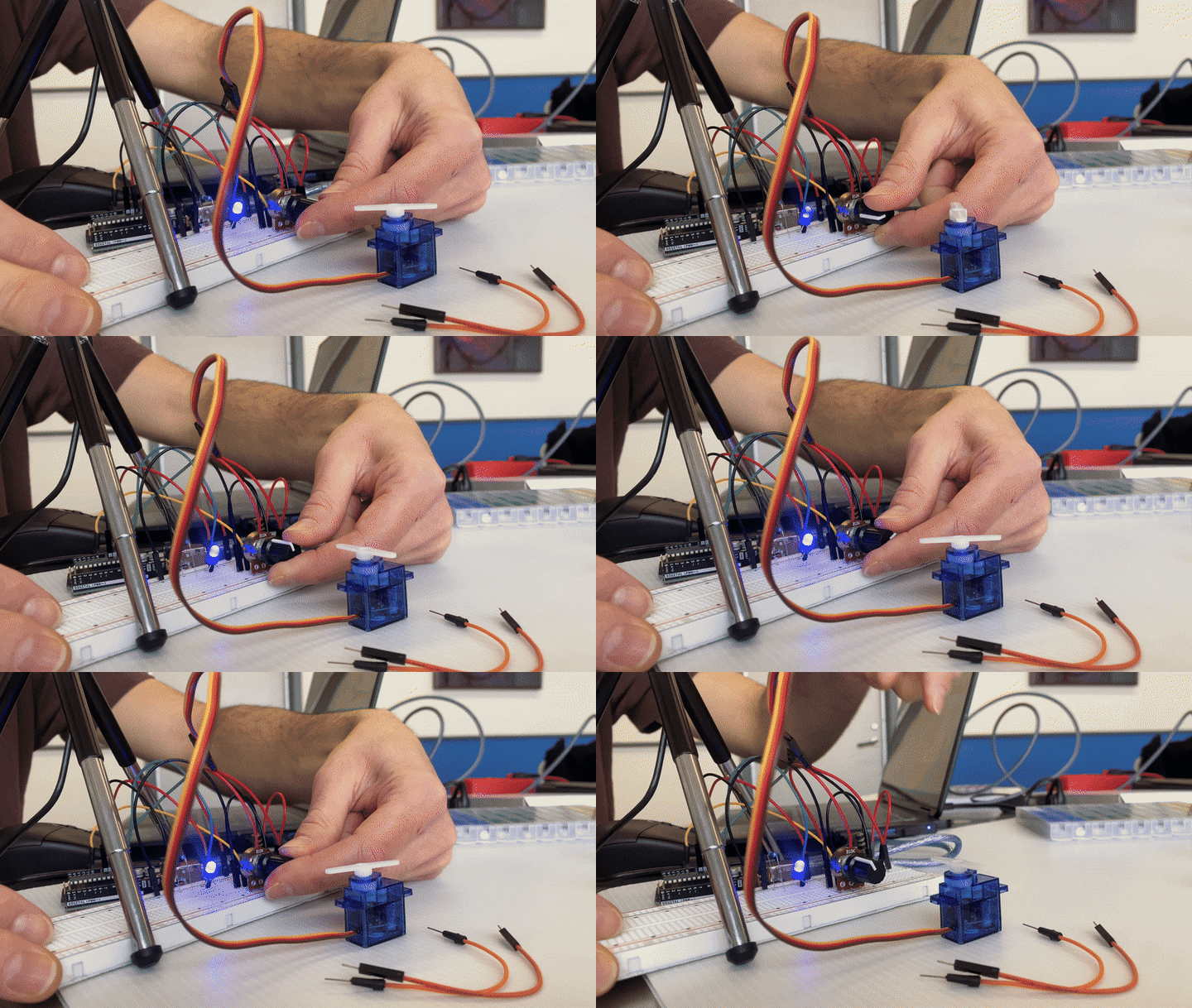
See the physical process: wiring components, testing a circuit and turning an idea into something that responds.
A practical, beginner-friendly workshop for researchers and students with a biological or neuroscience background who want to turn ideas into working experimental tools.
Places are allocated through an application and selection process. Payment is requested only from selected participants.

20 h
hands-on training
16
places available
4
previous in-person editions
1
online edition completed
Beginner friendly
no prior experience required
Hands-on
learning by doing
The workshop
Electronics can feel like a barrier when you are trying to build an experiment. This workshop breaks that barrier into small, understandable steps, then gives you time to put each one into practice.
Gain the theory you need to understand what is happening and develop a solid background for the rest of the workshop.
Build a sequence of working exercises that steadily connect electronics concepts to the kinds of tools used in research.
Develop a repeatable way to check wiring, code, power and signals when a circuit does not behave as expected.
Translate the exercises into a project idea you can continue developing for your own teaching, research or lab.
See it in motion
Learning Arduino can feel like gaining a practical superpower: once the basics are clear, ideas that previously seemed out of reach can be built, tested and adapted.
See the physical process: wiring components, testing a circuit and turning an idea into something that responds.
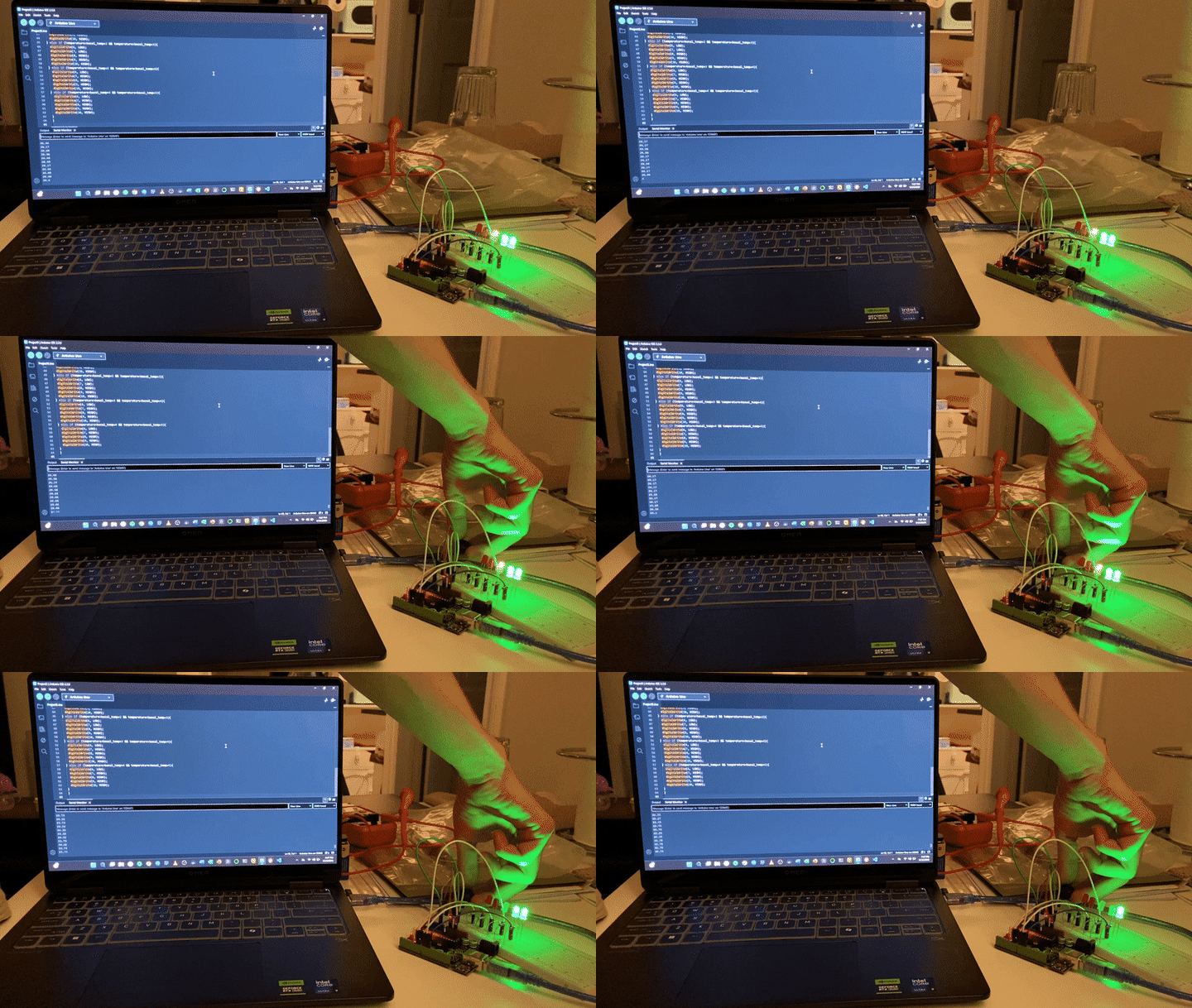
Learn by looking closely at what the circuit is doing, then make the next small change.
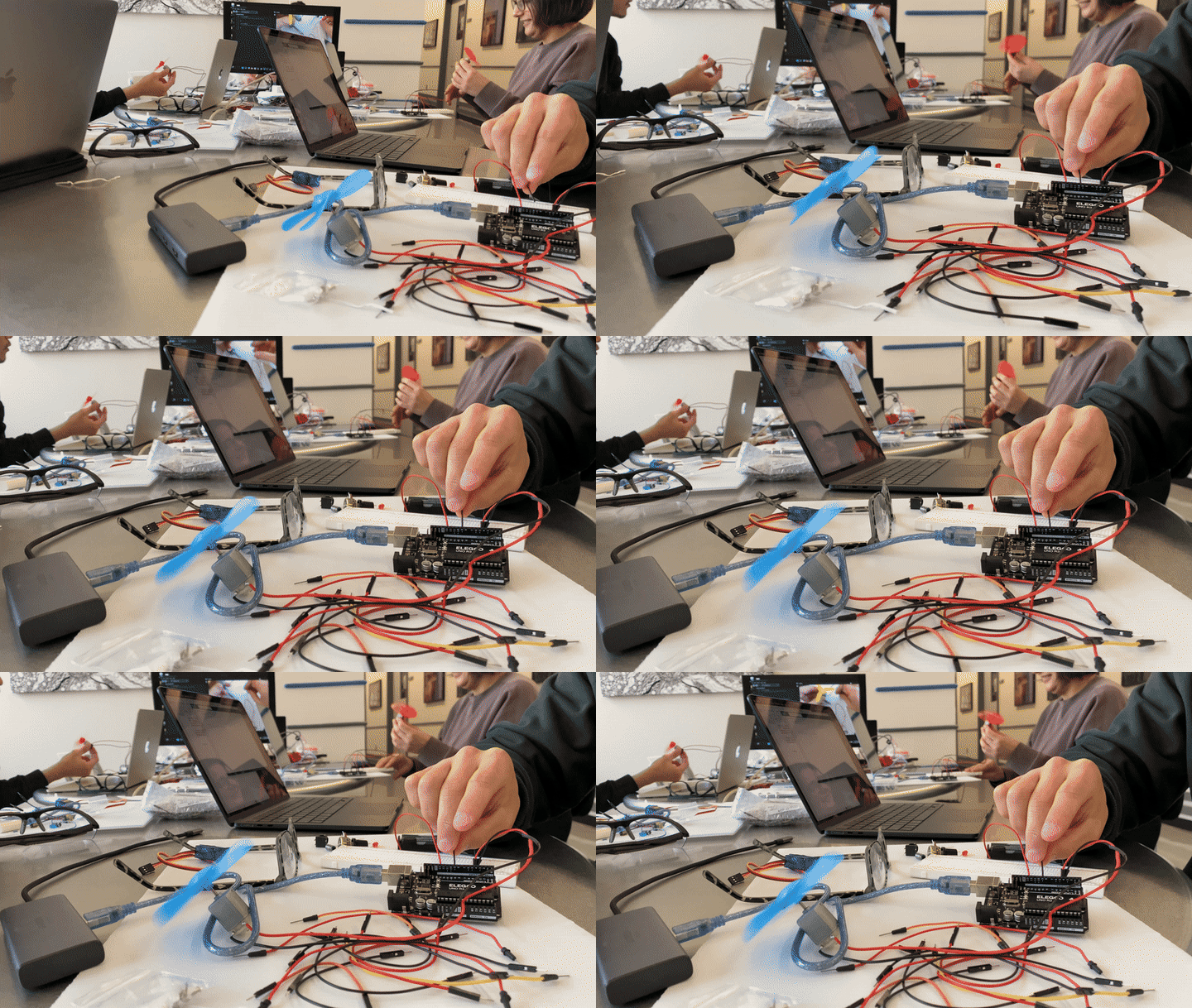
Connect inputs and outputs to create tools that can support behavioural experiments.
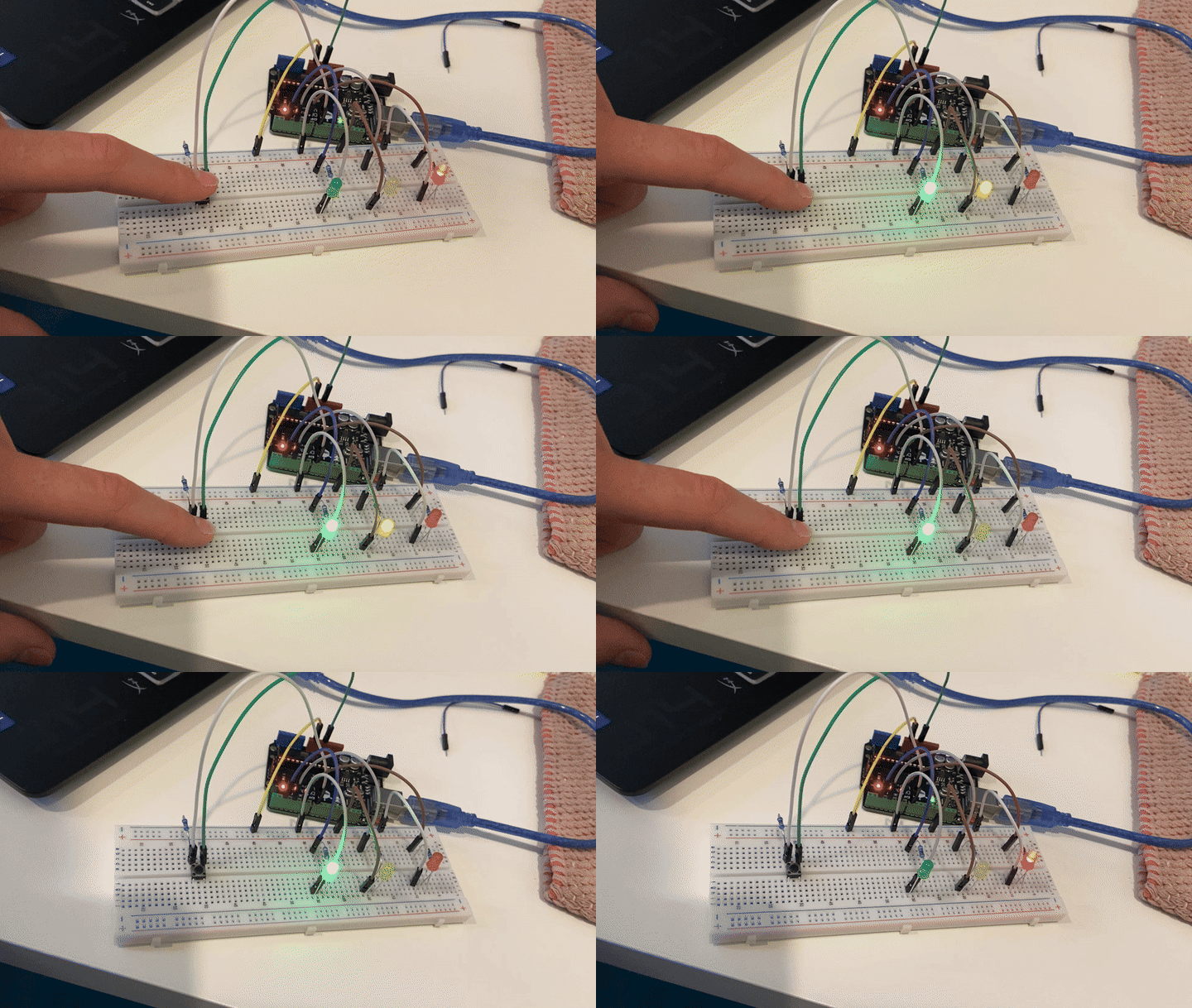
Combine the fundamentals into a practical device you can understand, adapt and use.
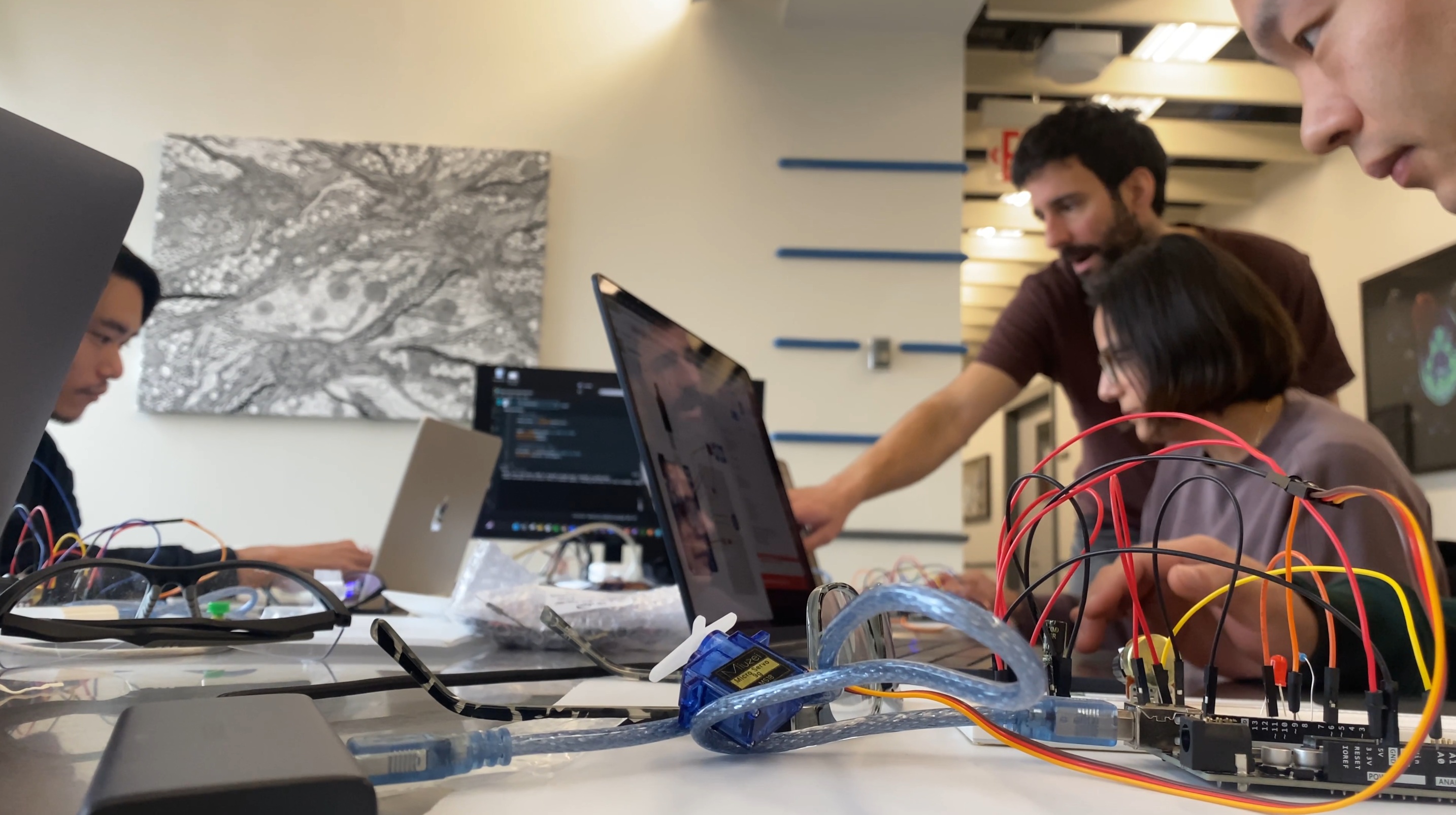
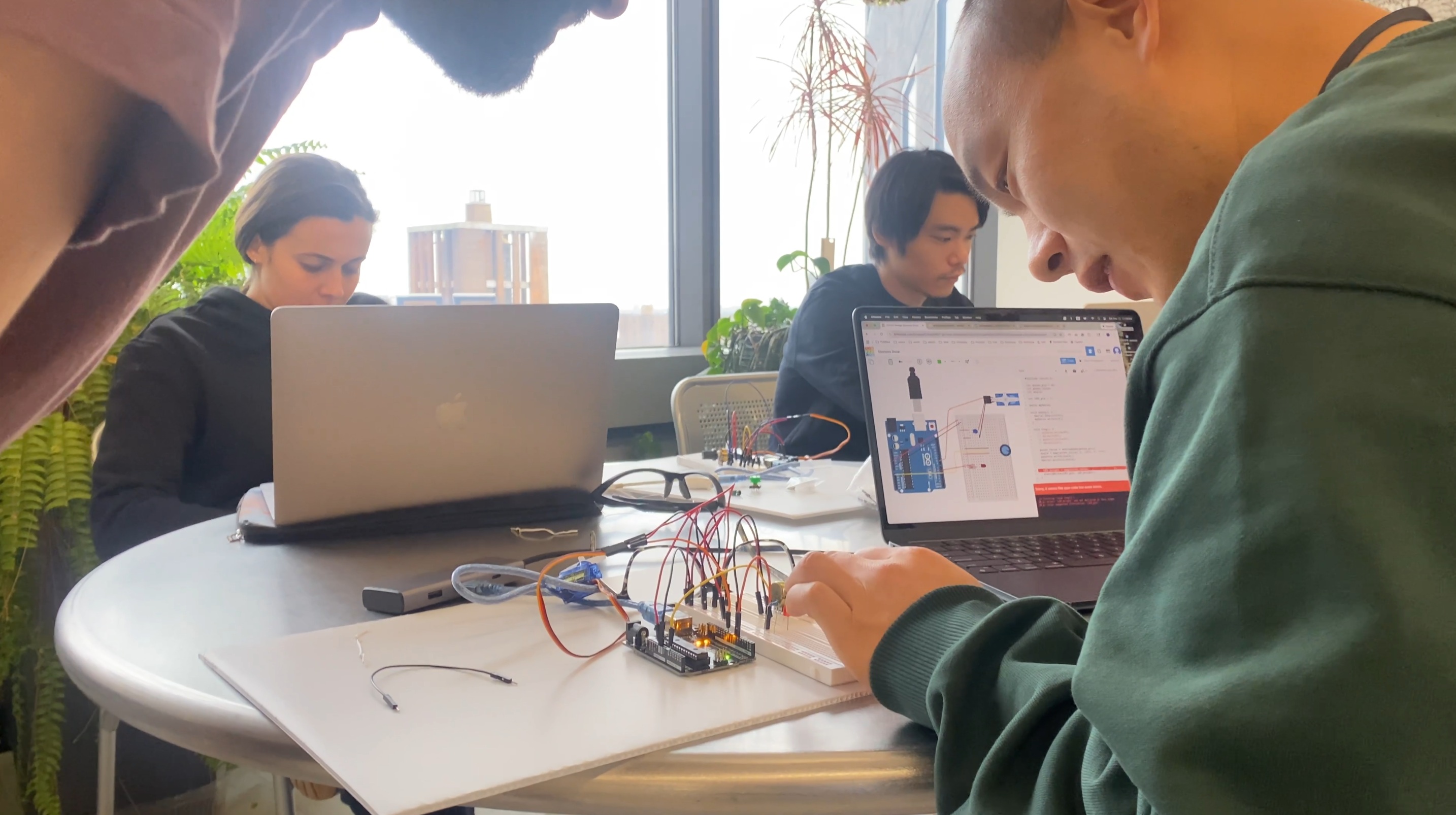
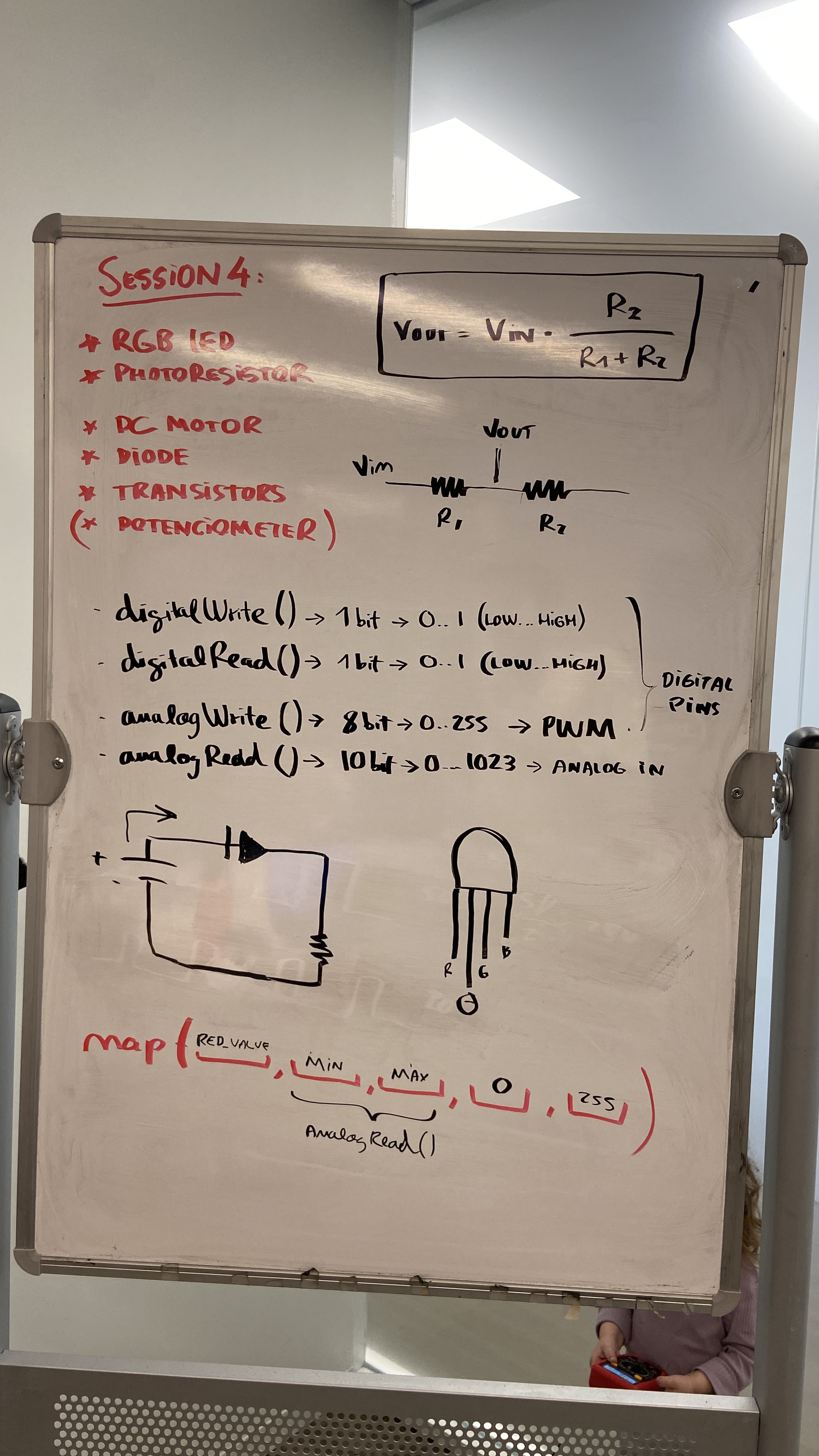
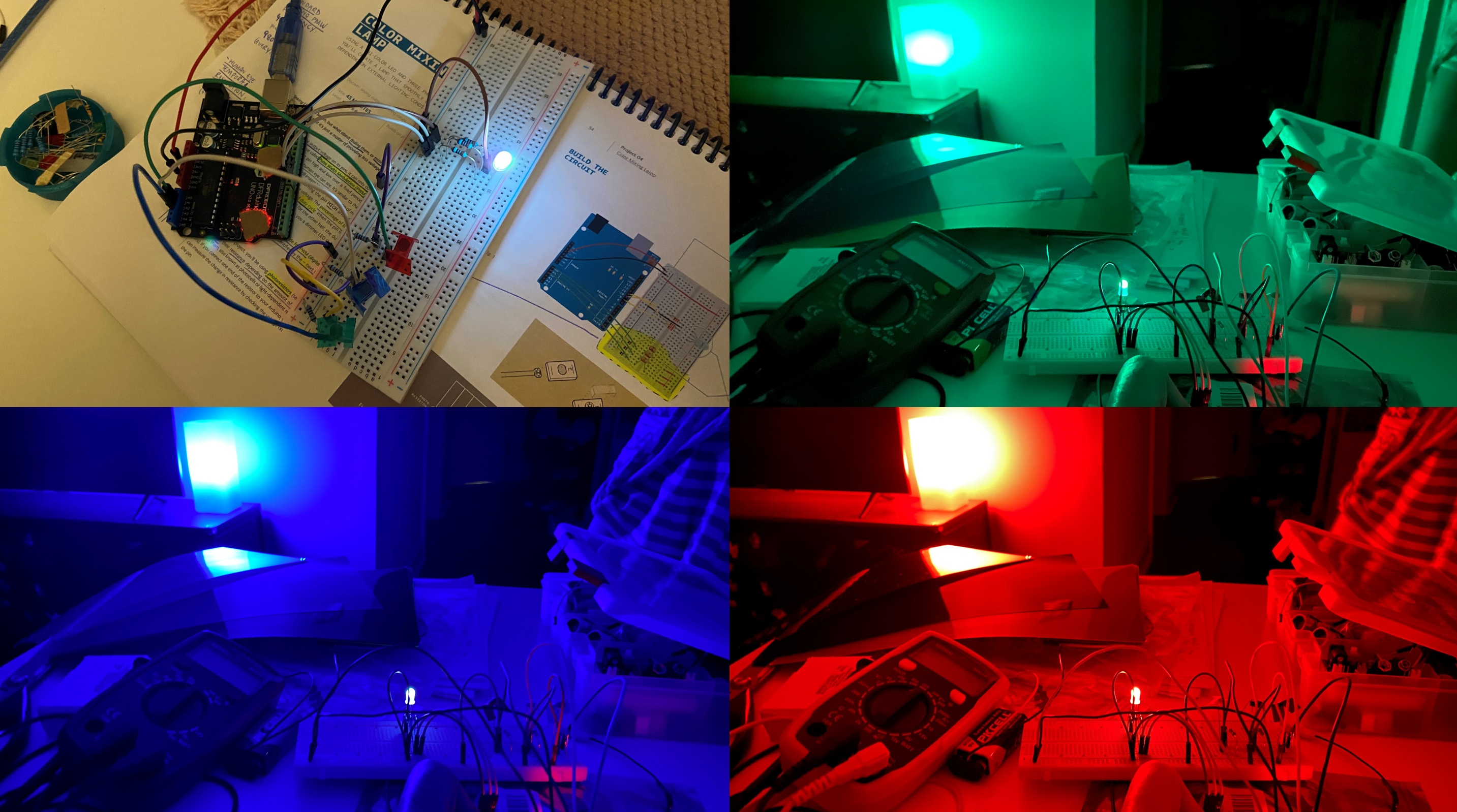
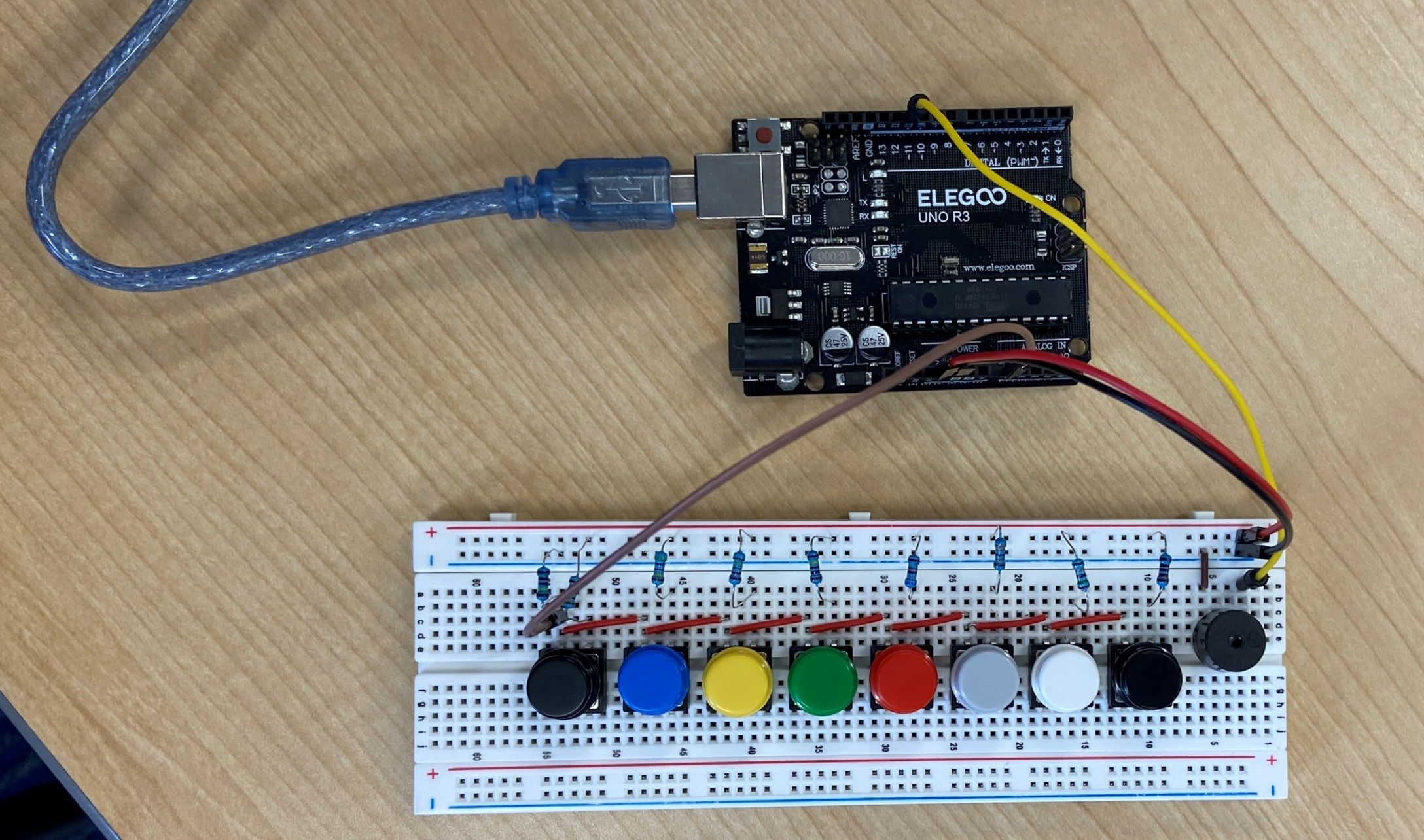
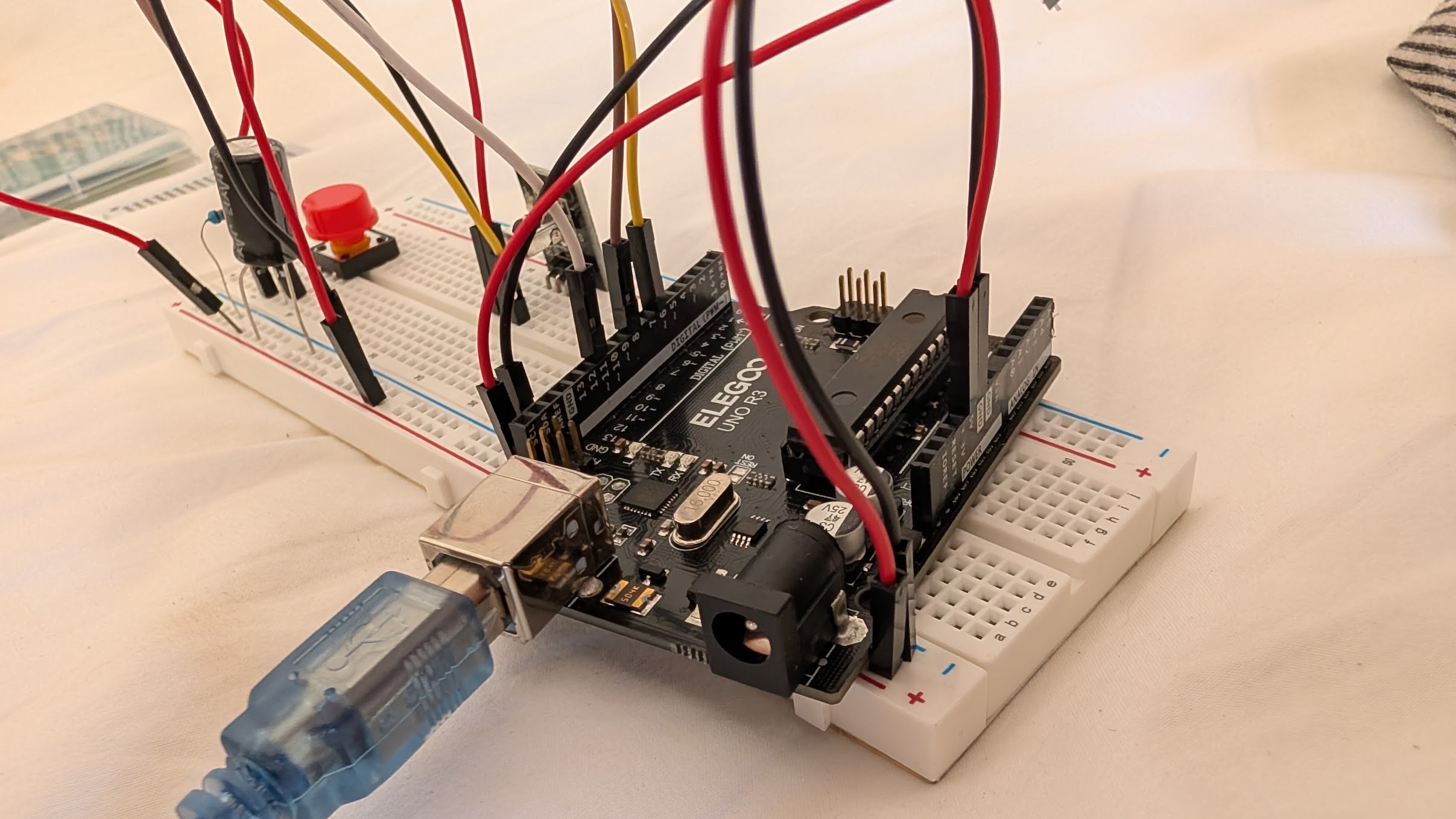
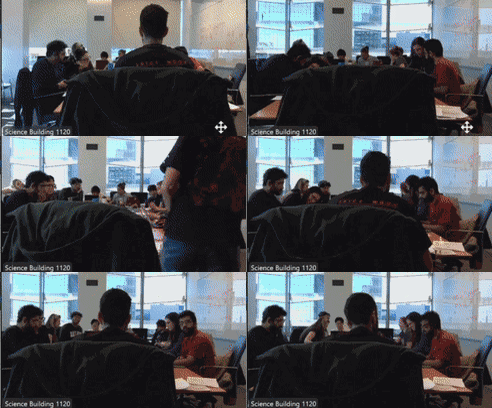
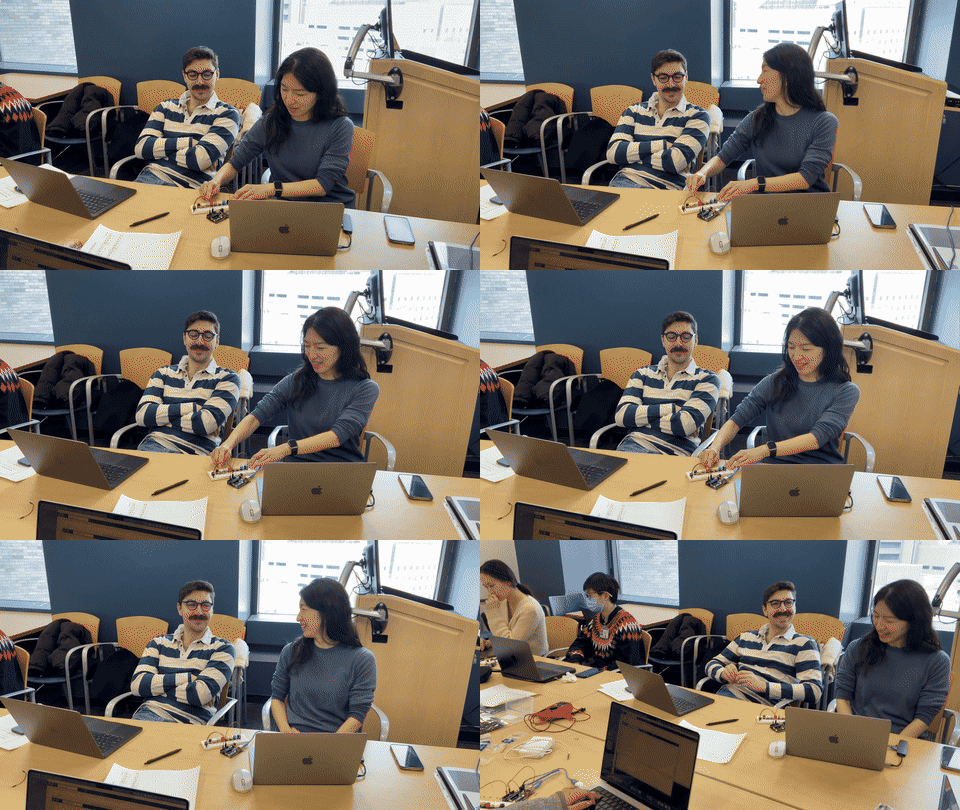
Explore more examples from the workshop: simulated circuits, small project studies, publications and the atmosphere of learning together around a table.
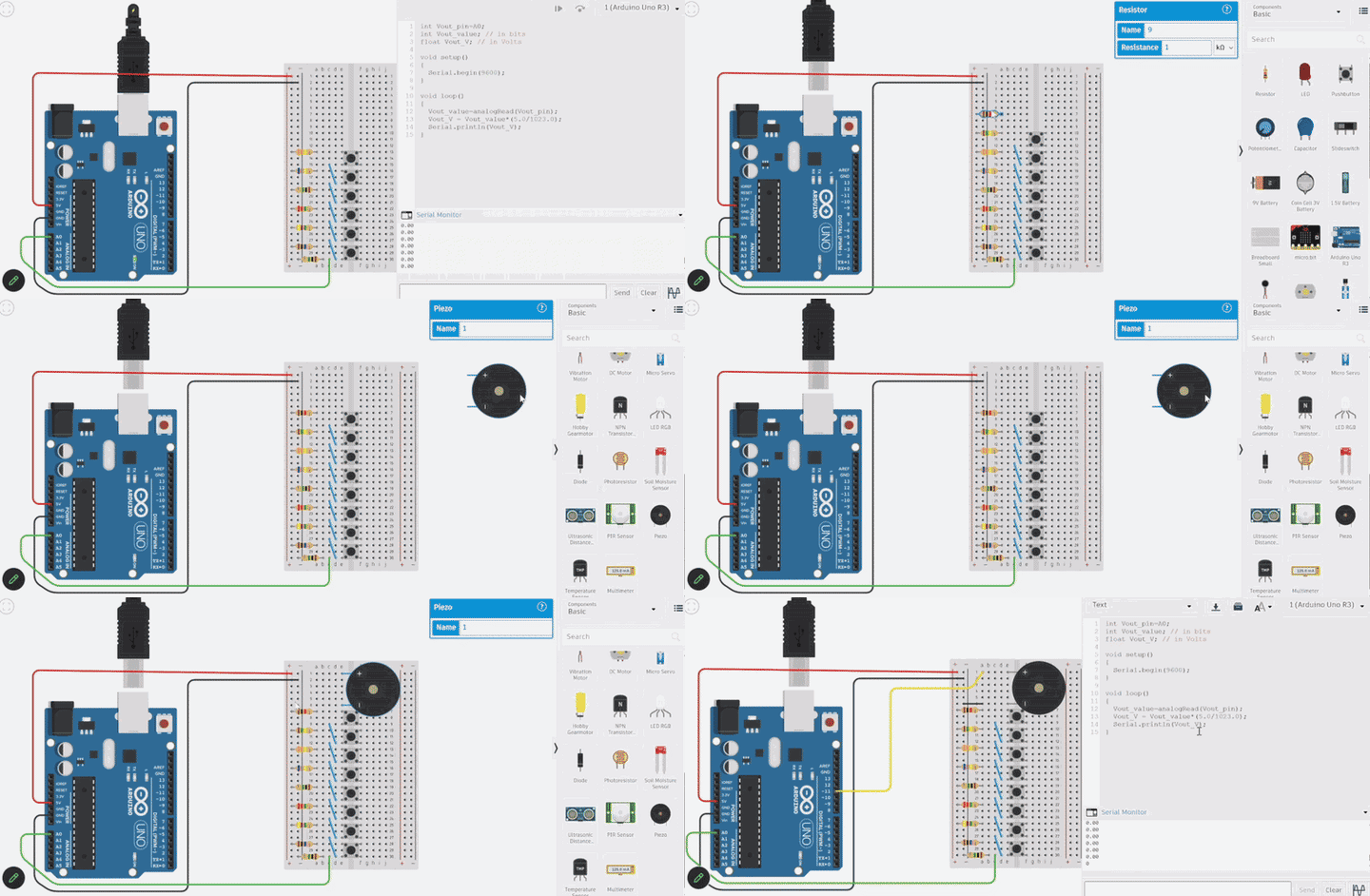
Start with simulation
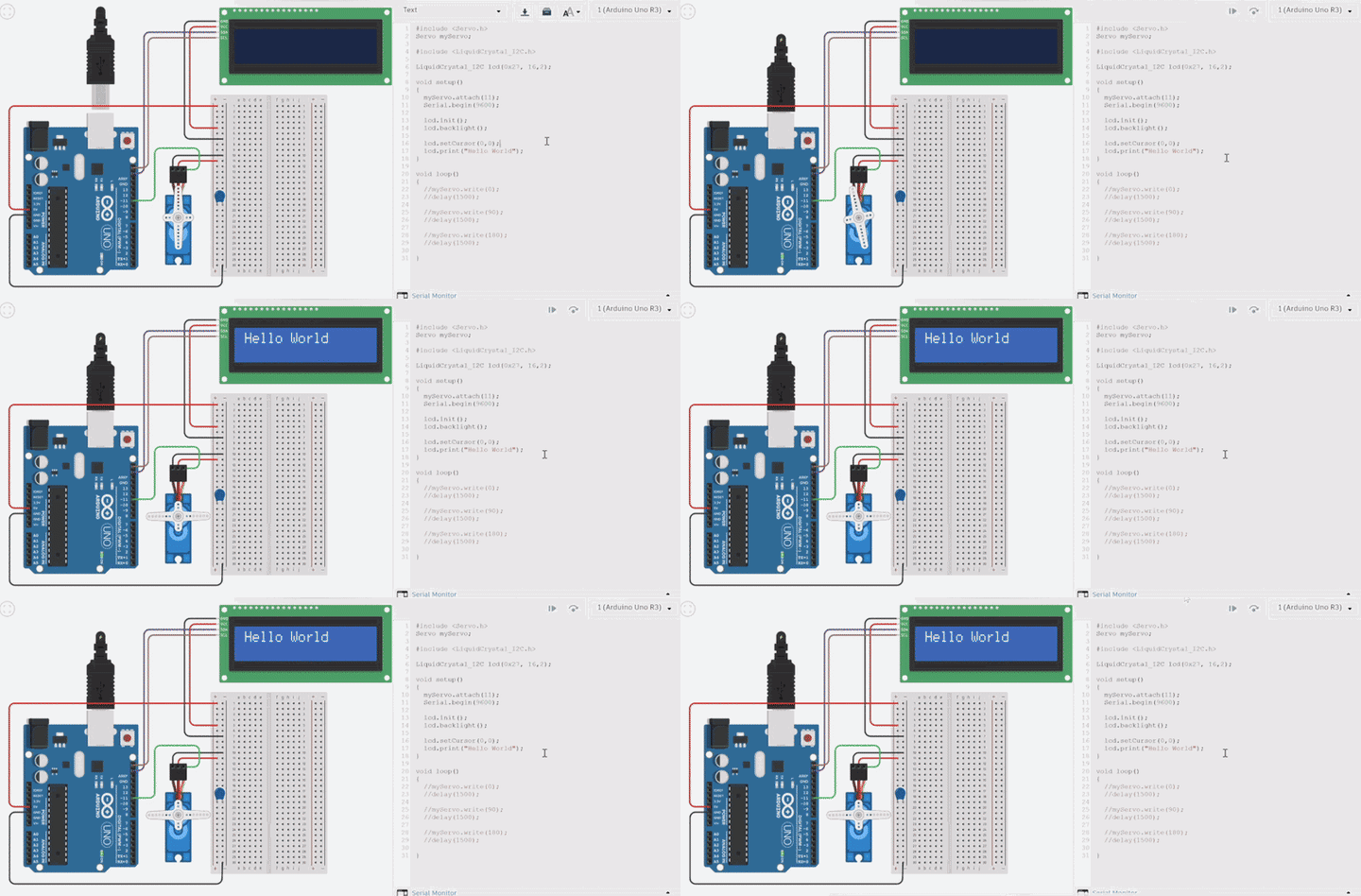
Control and display
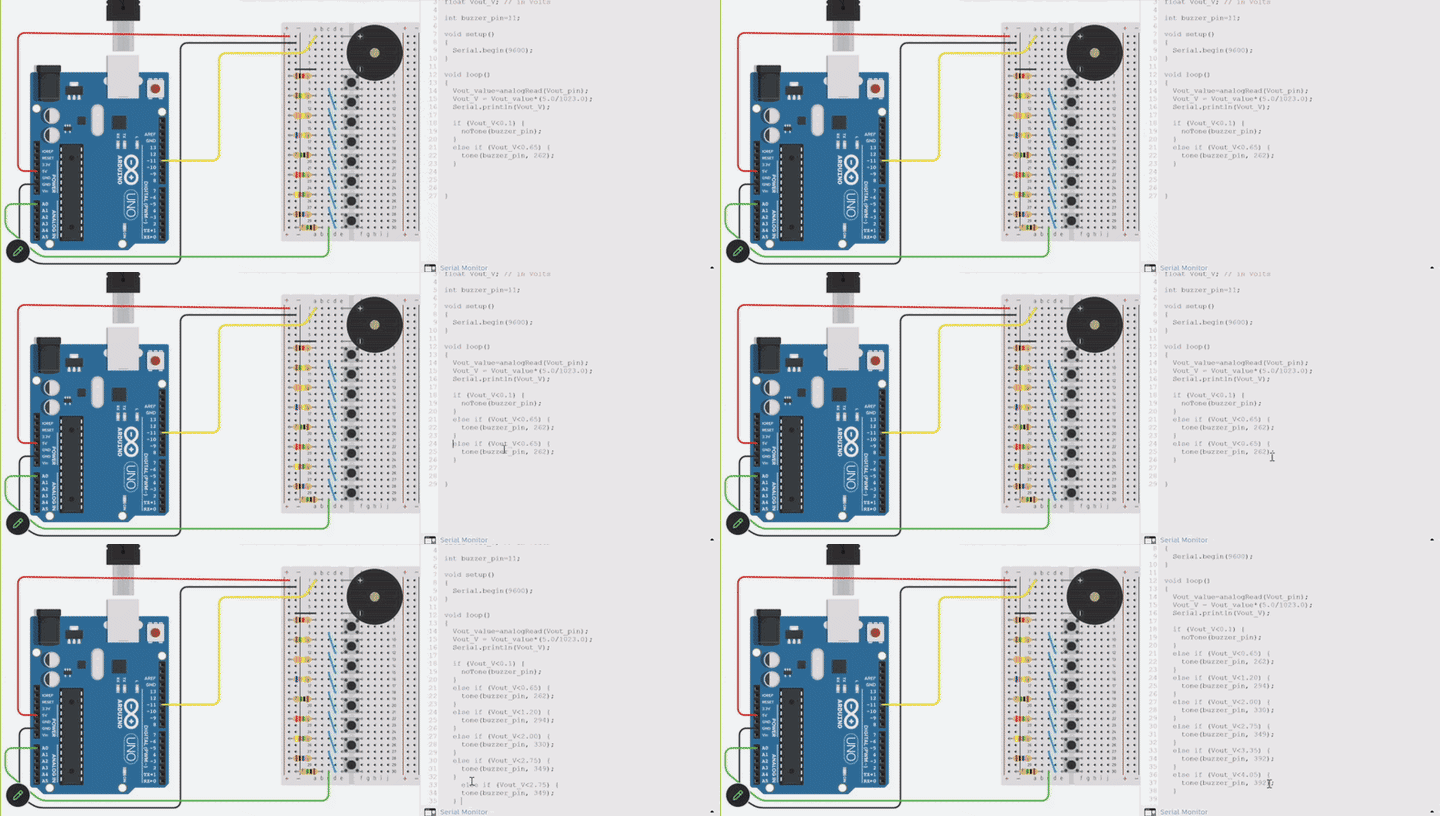
Explore the logic
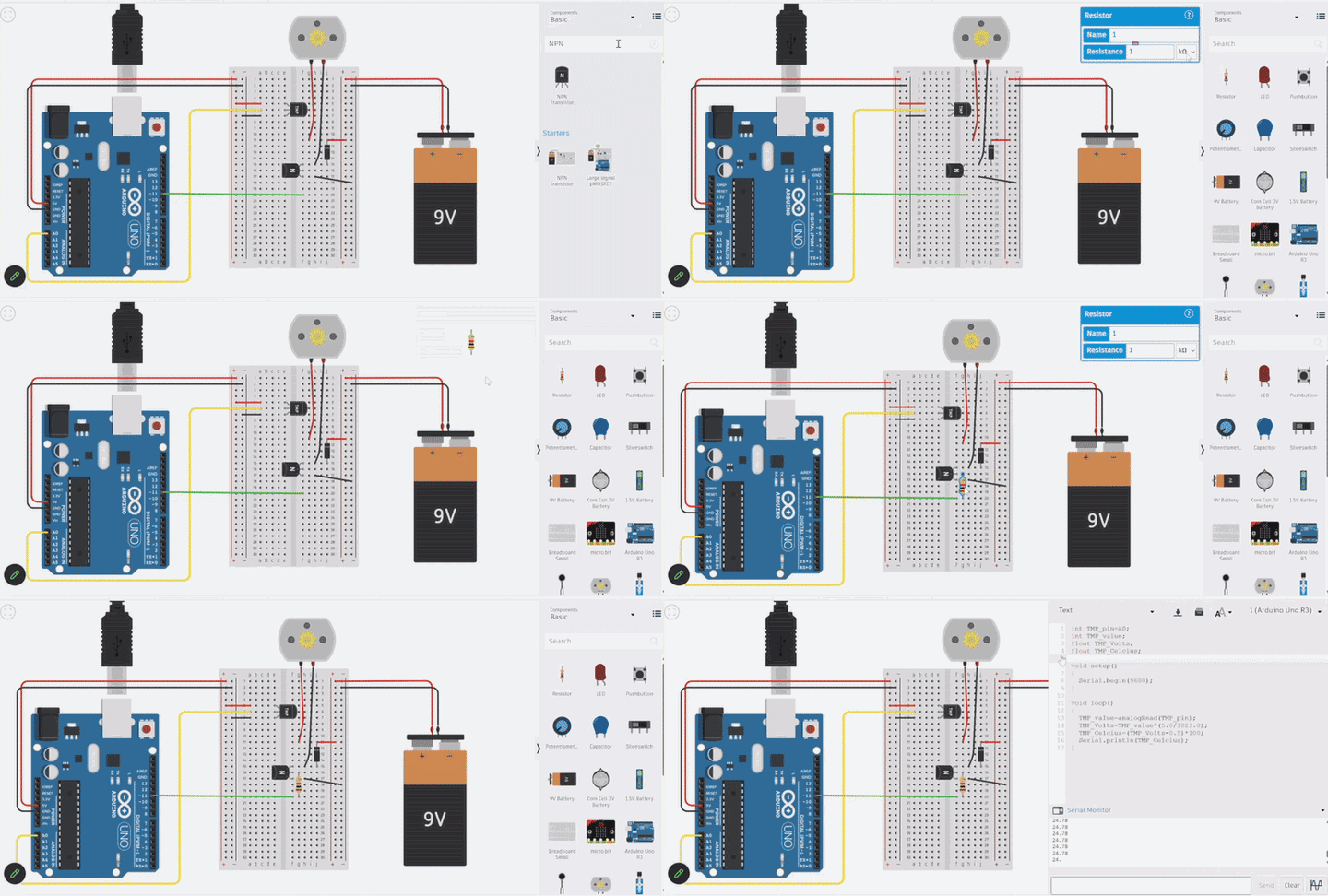
Connect the circuit
Circuit and class vibes
Projects & publications
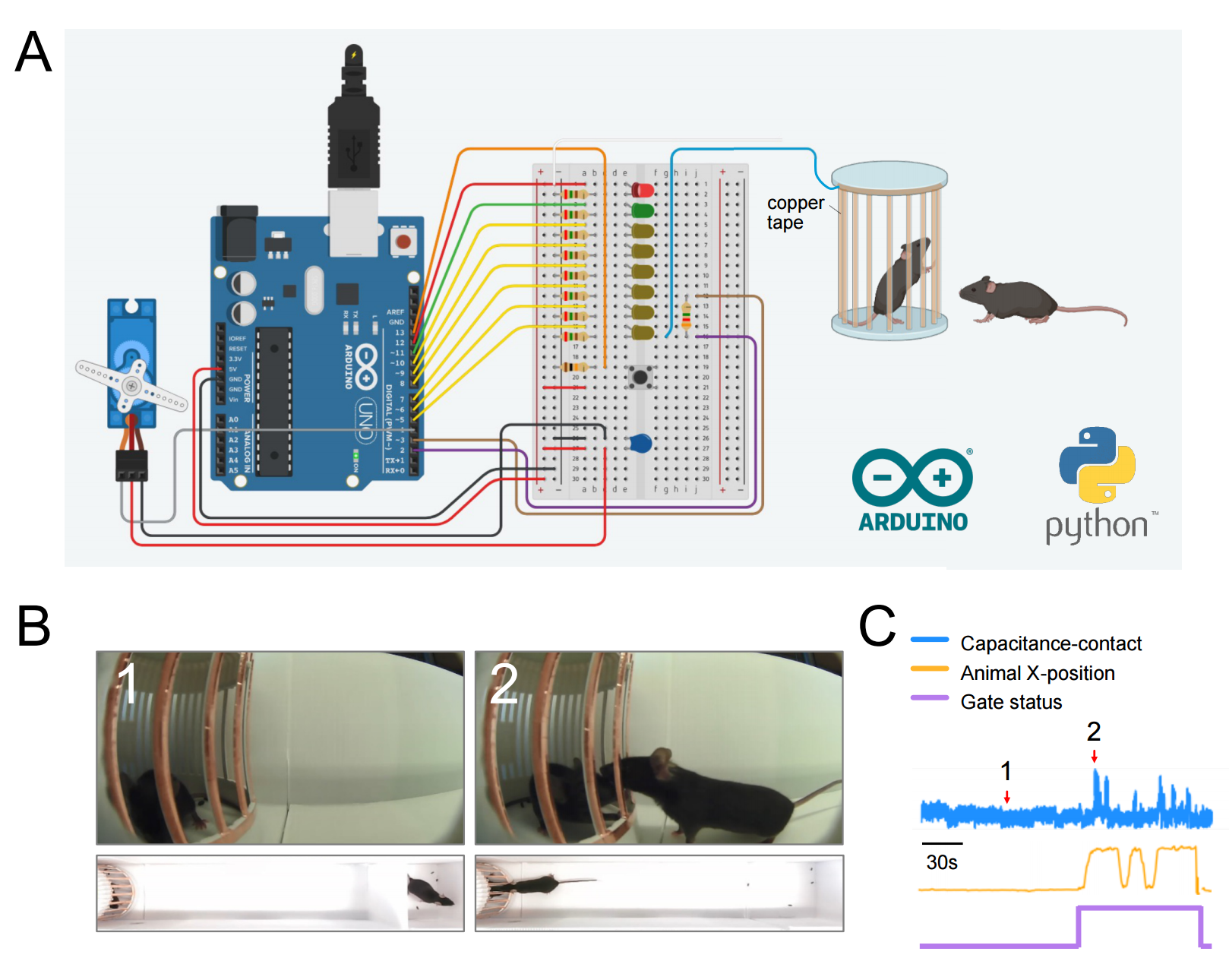
A capacitive sensor integrated into a stimulus enclosure, combined with position tracking and gate status to define social-contact events during behavioural experiments.
Read the bioRxiv article · Supplementary Figure S5 ↗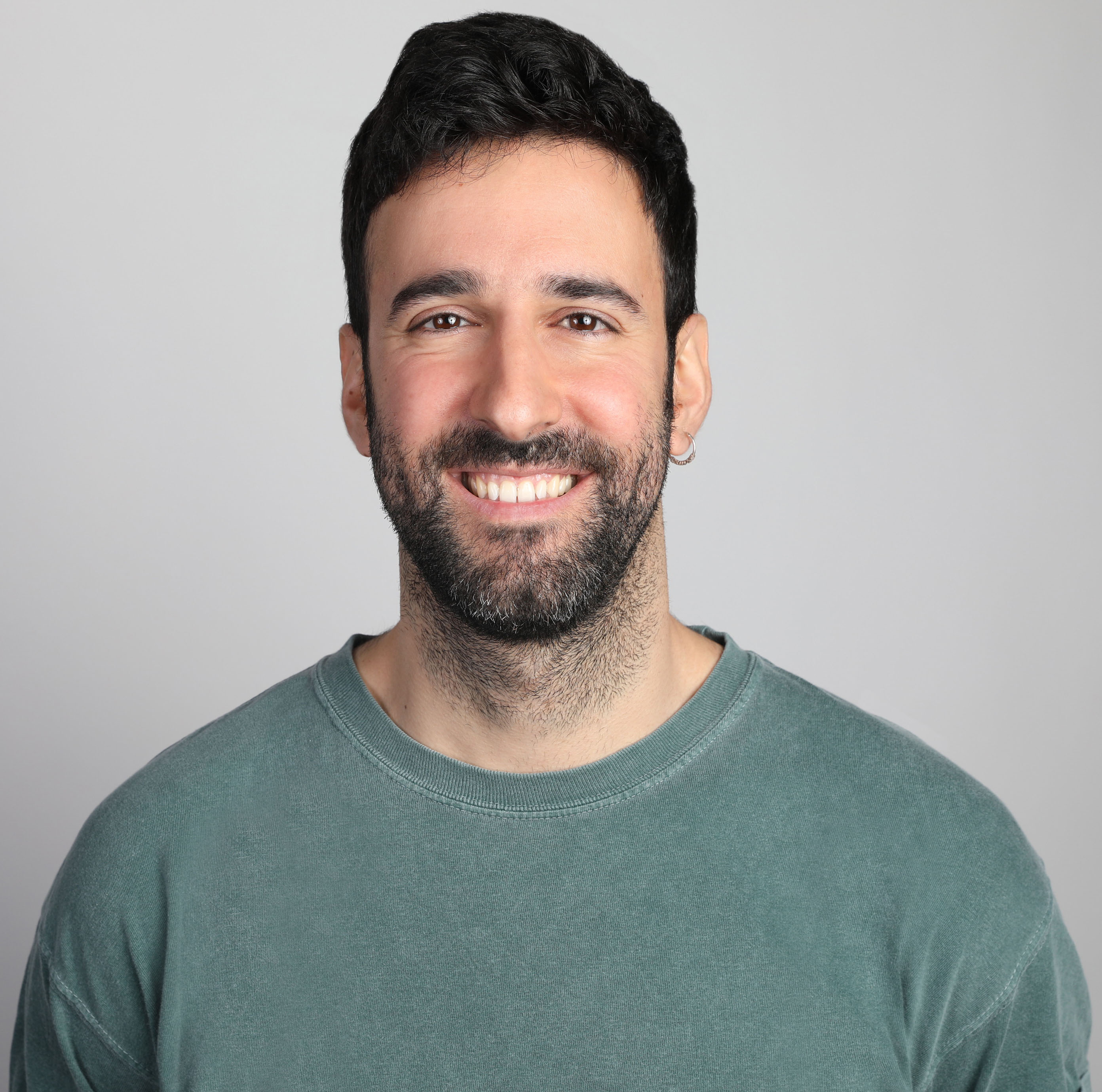
The instructor
ArBEN is taught by Jaume Taura, a neuroscientist with 14 years of experience building experimental tools, behavioural tests and practical solutions for neuroscience research.
View Jaume's LinkedIn profileJaume Taura, PhD
2010–2012
Master in Neuroscience at the University of Barcelona and Salk Institute.
2012–2018
PhD in Biomedicine at the University of Barcelona, in Francisco Ciruela's neuropharmacology lab.
2018–2026
Postdoc and instructor at the Icahn School of Medicine at Mount Sinai, in the Slesinger Lab, Department of Neuroscience.
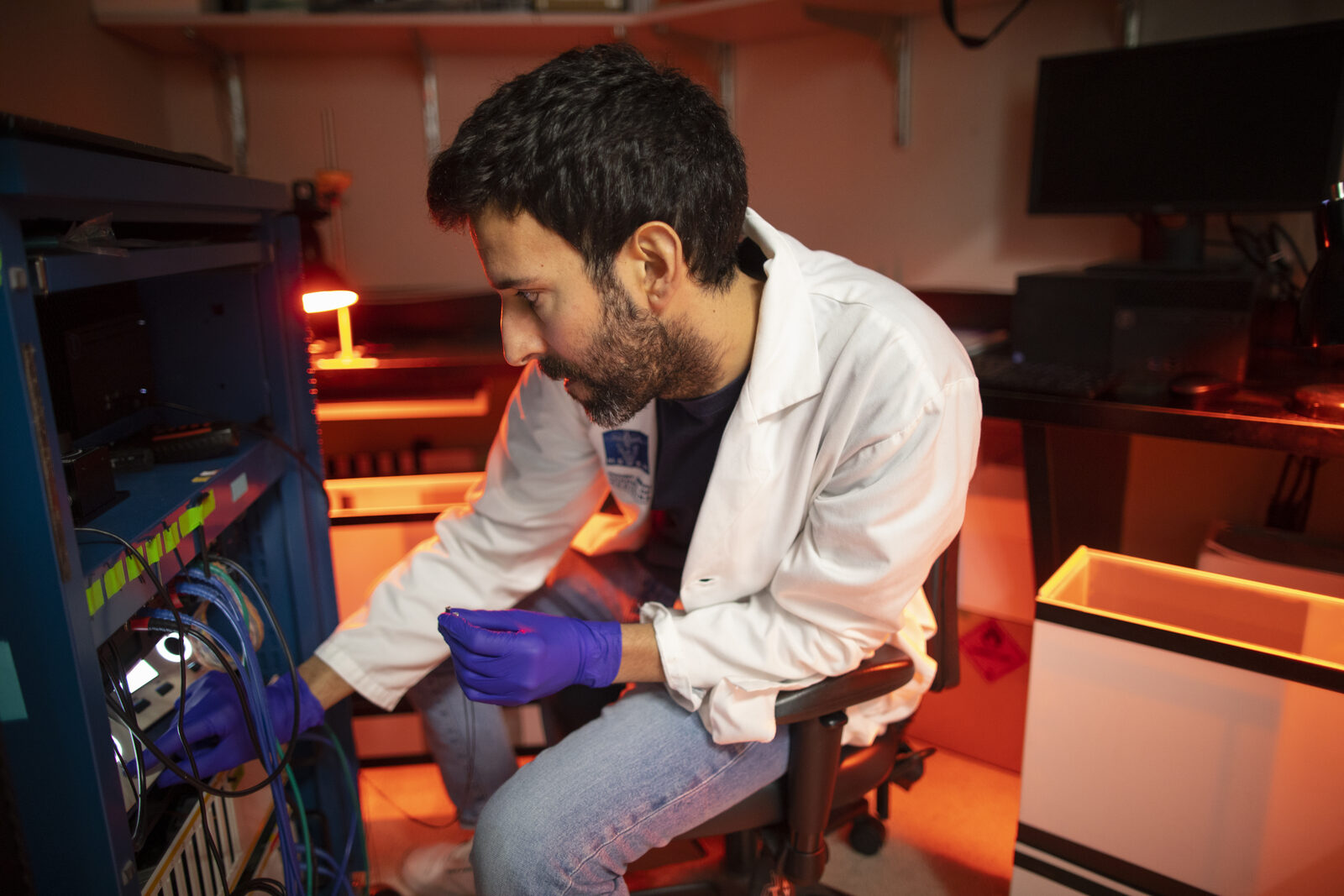
His workshops connect electronics to the realities of biological research: sensors and actuators, behavioural hardware, TTL signals, optogenetic stimulation and low-cost tools that researchers can understand, repair and adapt.
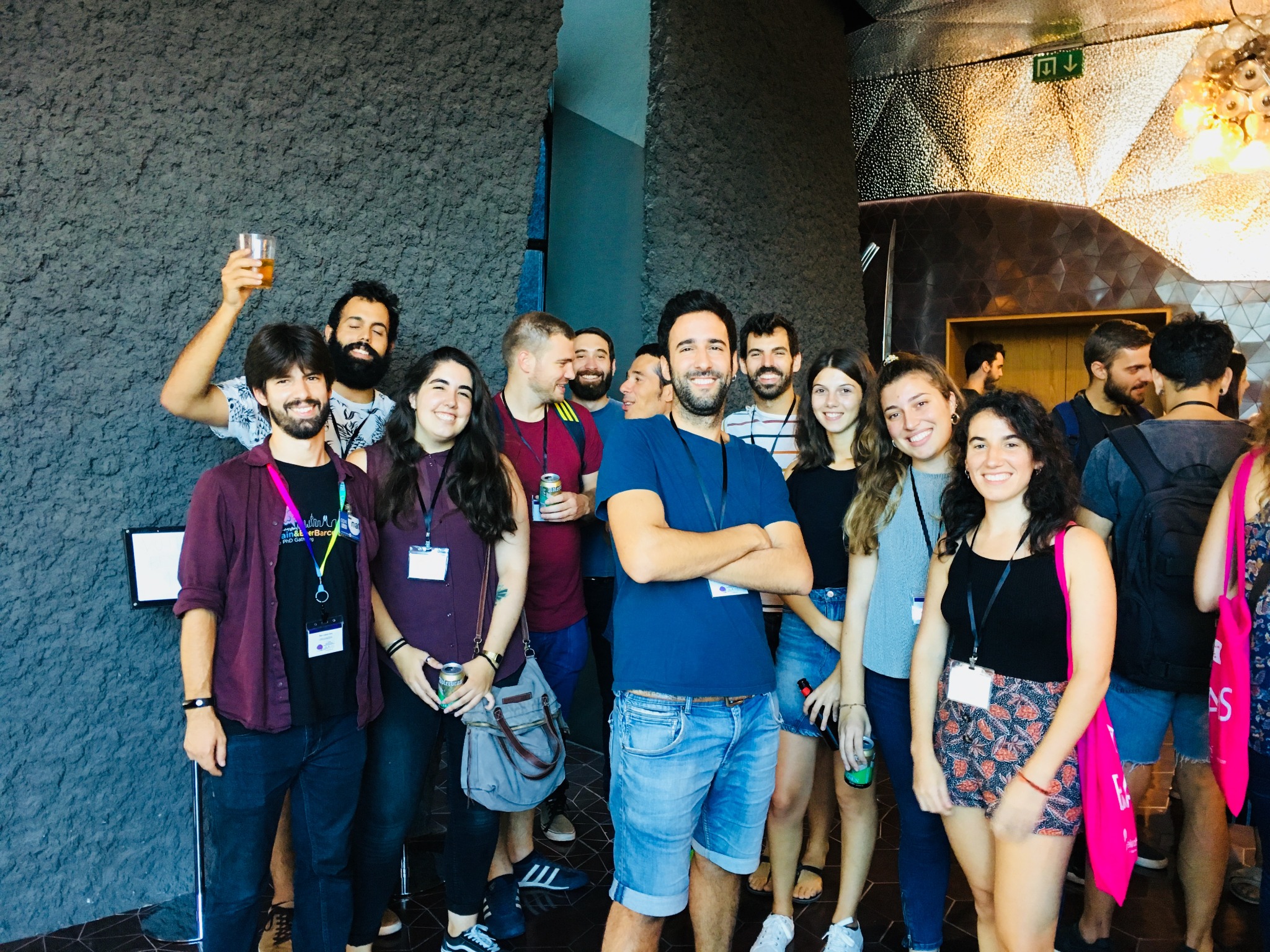
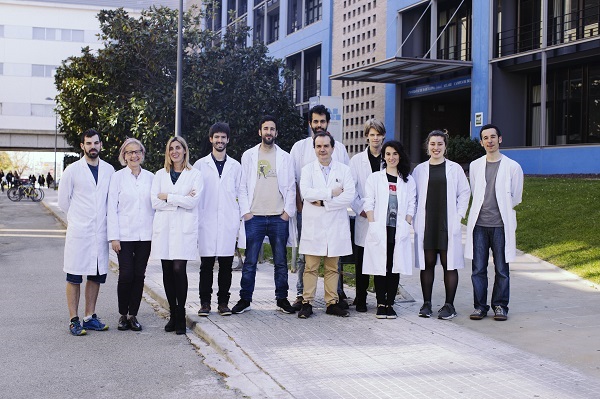
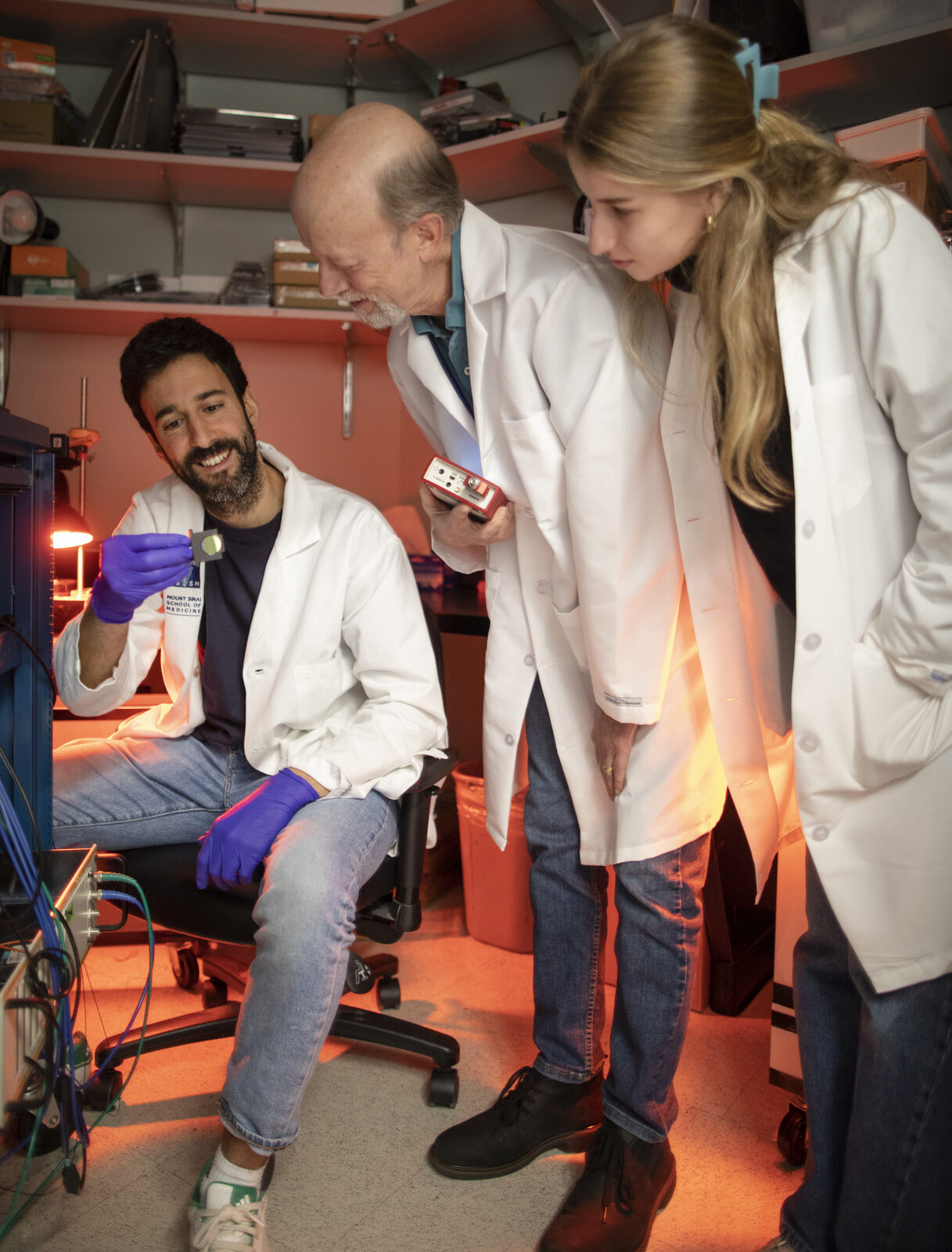
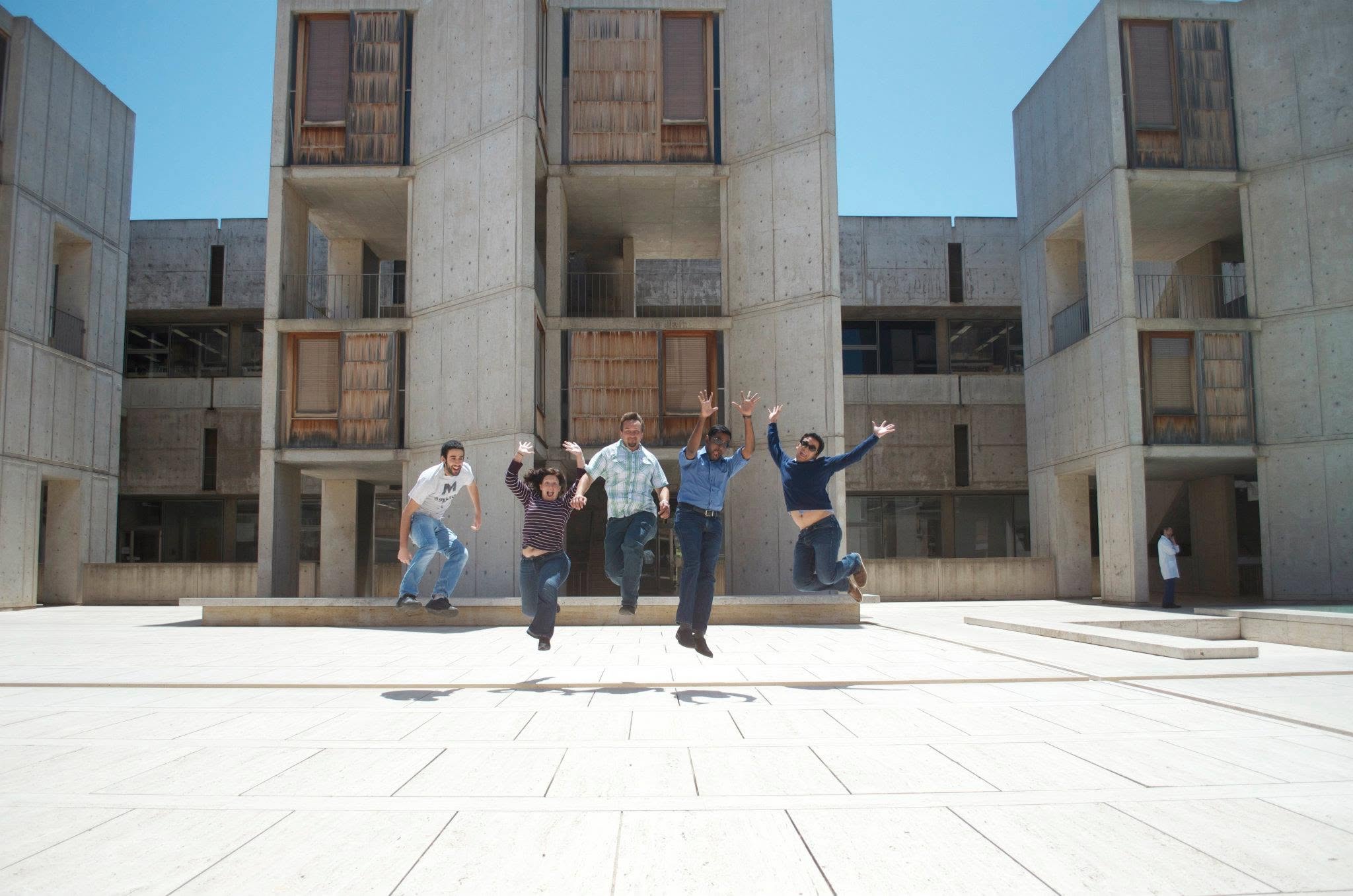
Tentative schedule
A gradual route from basic circuits to neuroscience-ready tools and usable data. The schedule is tentative: examples and pacing may adapt to the group's questions, progress and project interests.
Neuroscience projects
Optogenetic timing, IR nose ports and behavioural state logic.
Sensors, actuators and power
Measure physical events and safely control light, sound and movement.
From Arduino to data
Send measurements to Python and leave with a reusable CSV workflow.
Lunch is included
Lunch is provided from 13:00–15:00 on Thursday and Friday and is included in the workshop fee.
Thursday
December 3
Morning + afternoon
09:00–13:00
15:00–19:00
Friday
December 4
Morning + afternoon
09:00–13:00
15:00–19:00
Saturday
December 5
Morning only
09:00–13:00
Previous editions
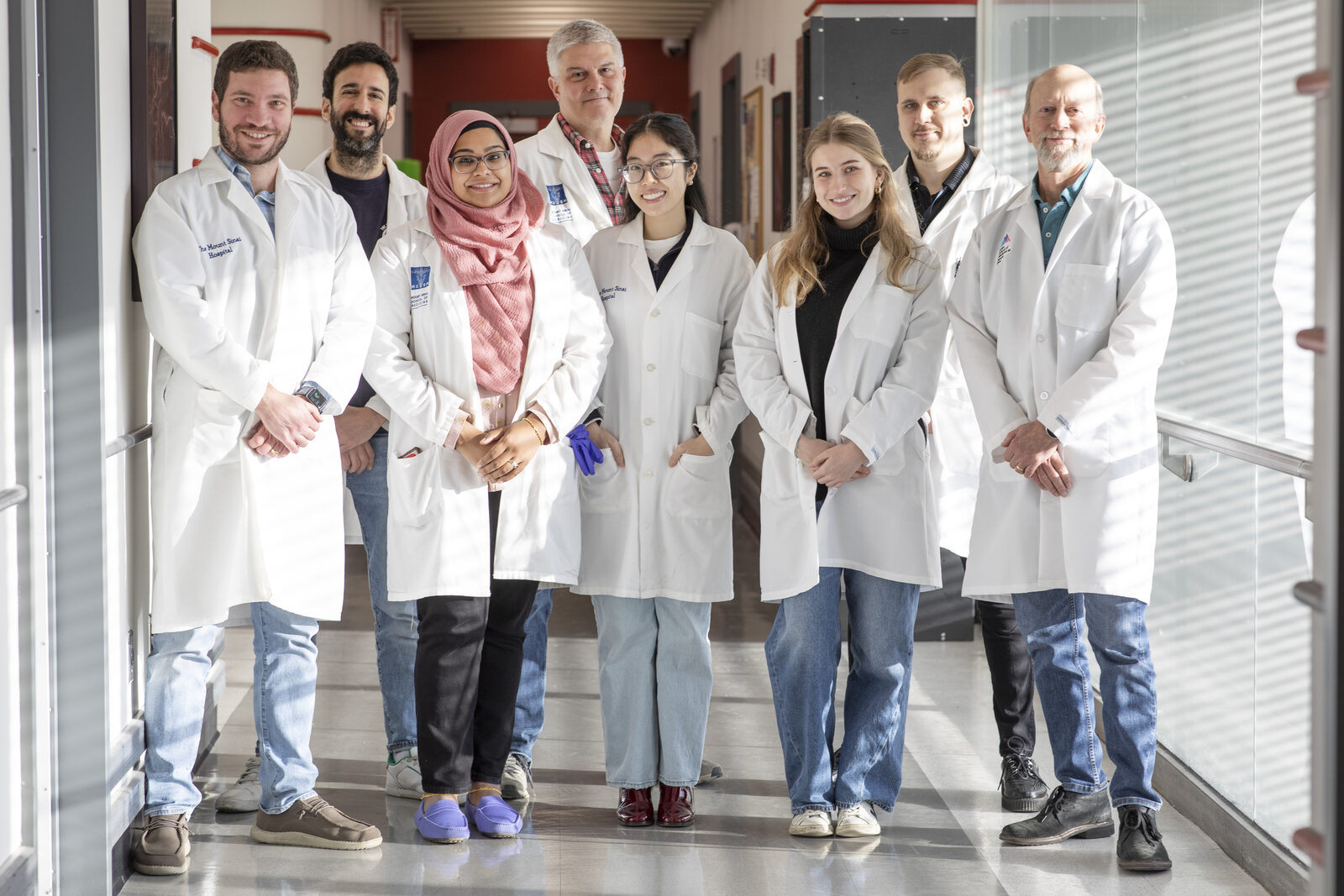
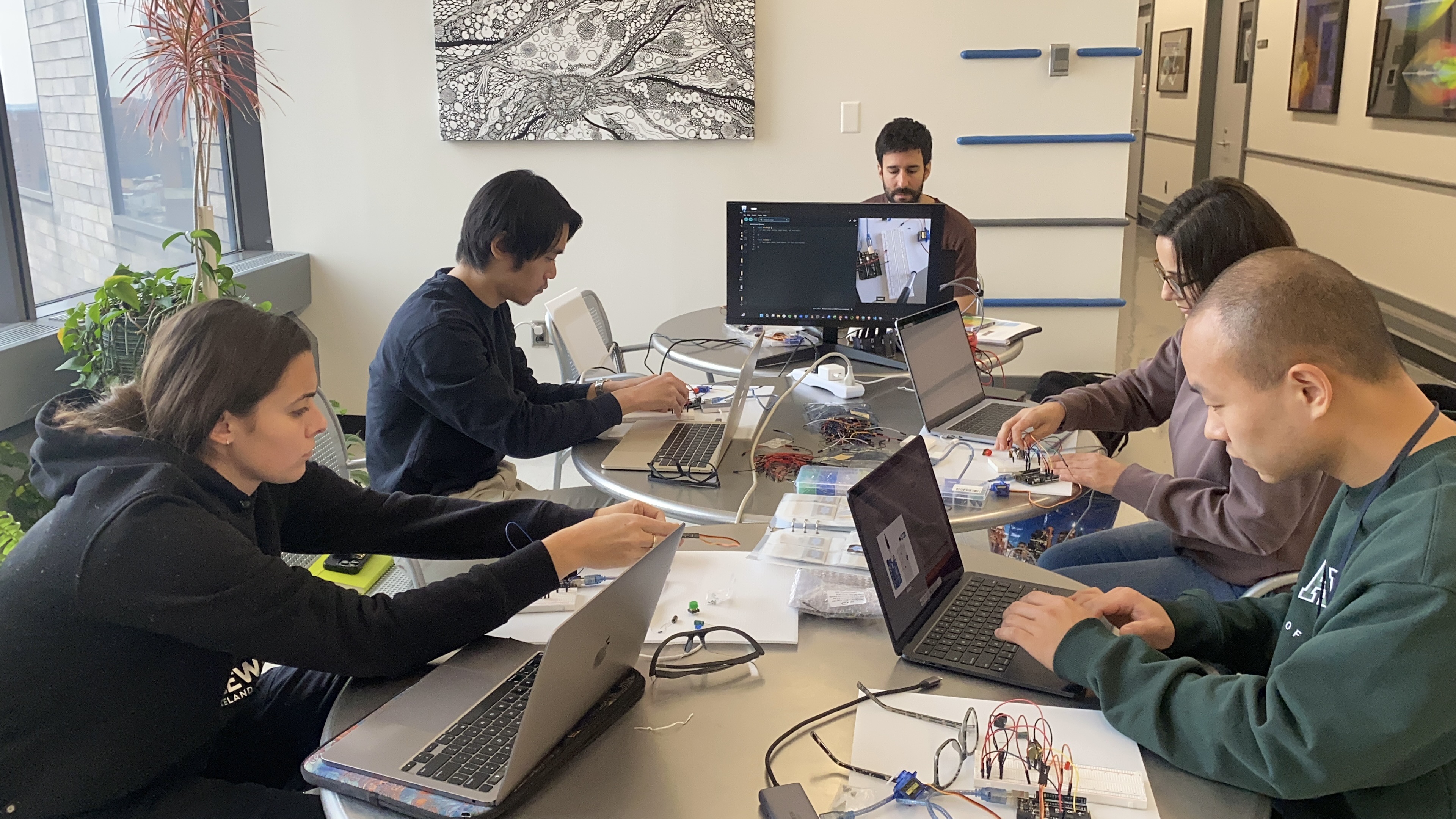
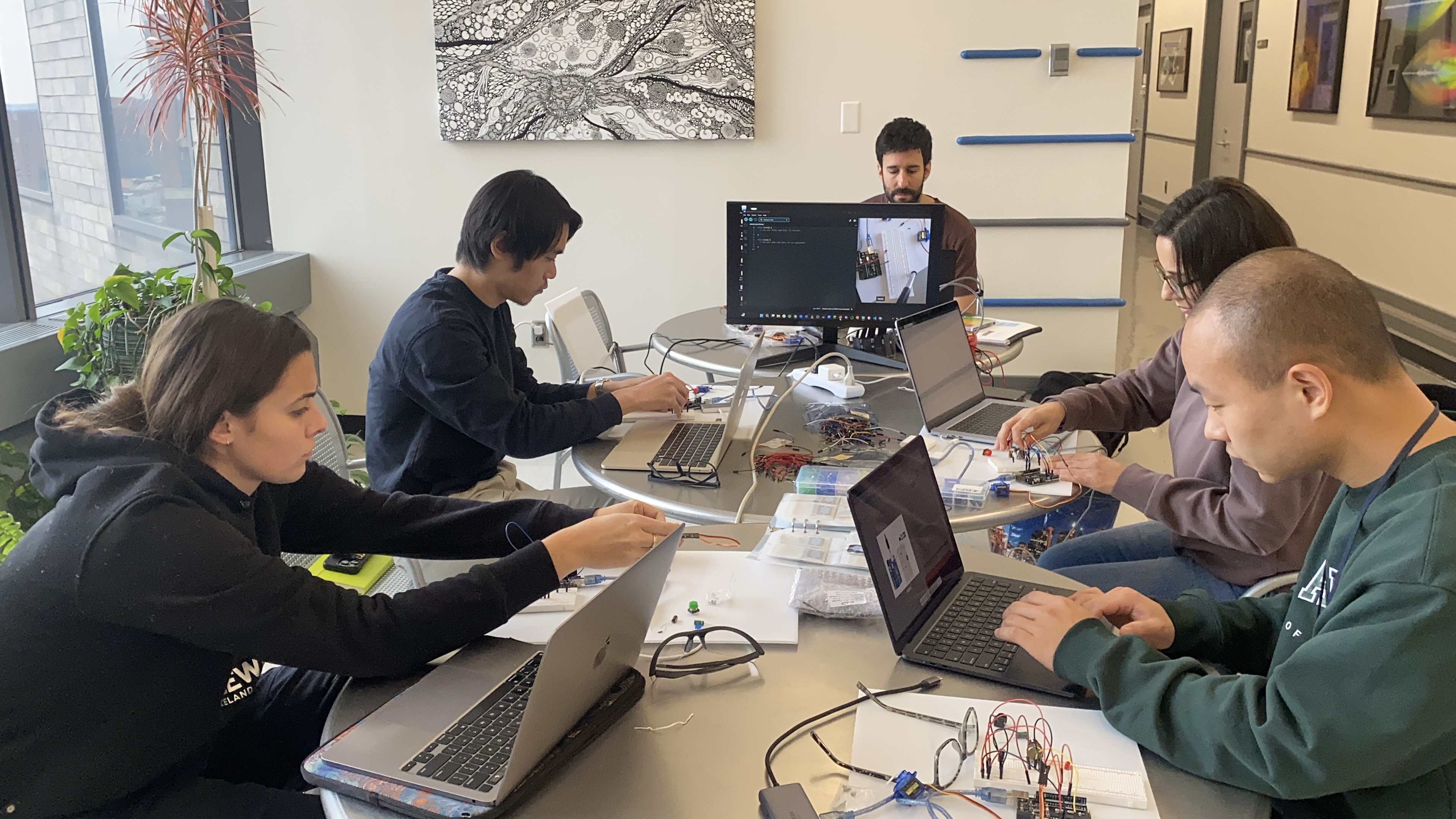
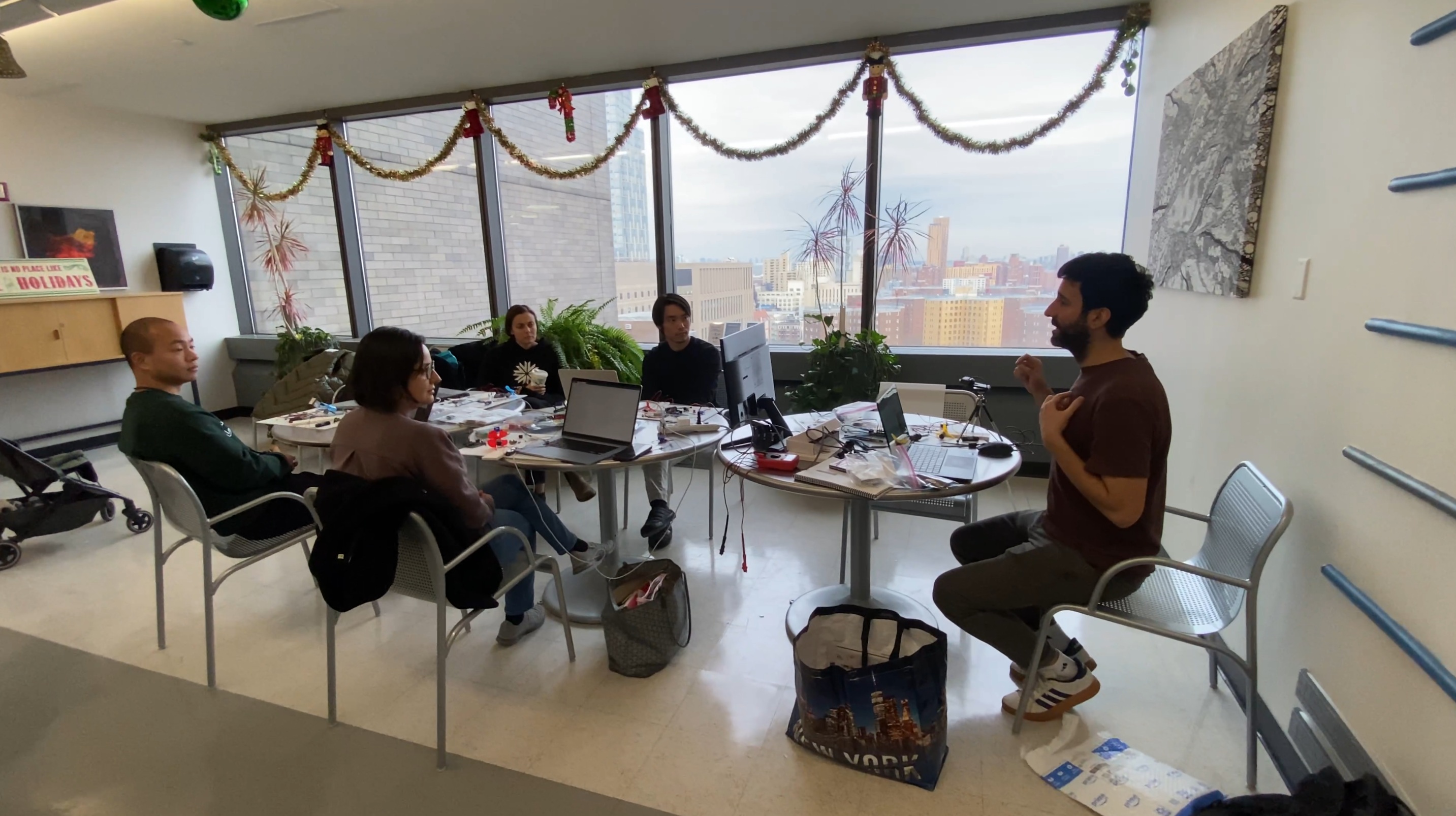
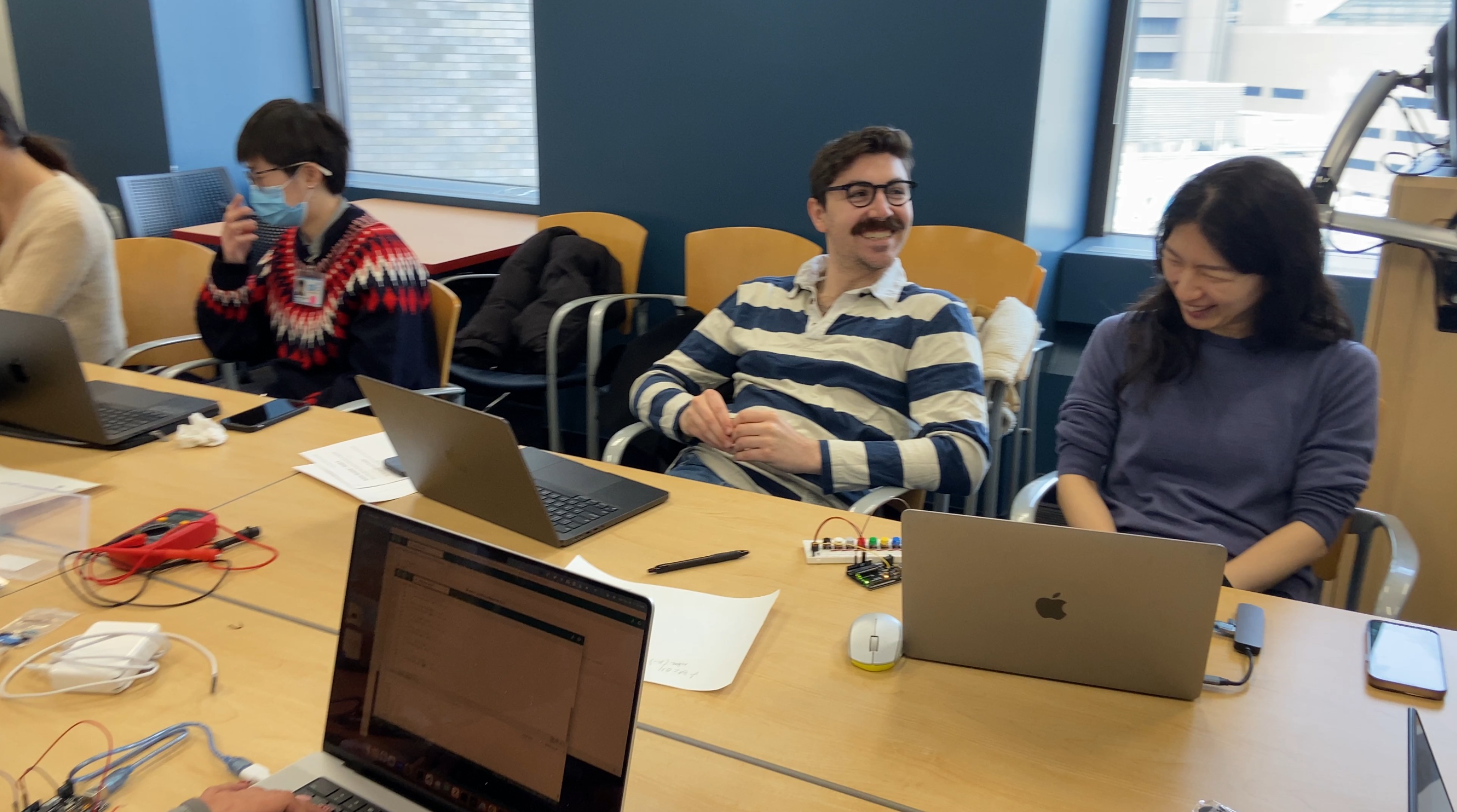
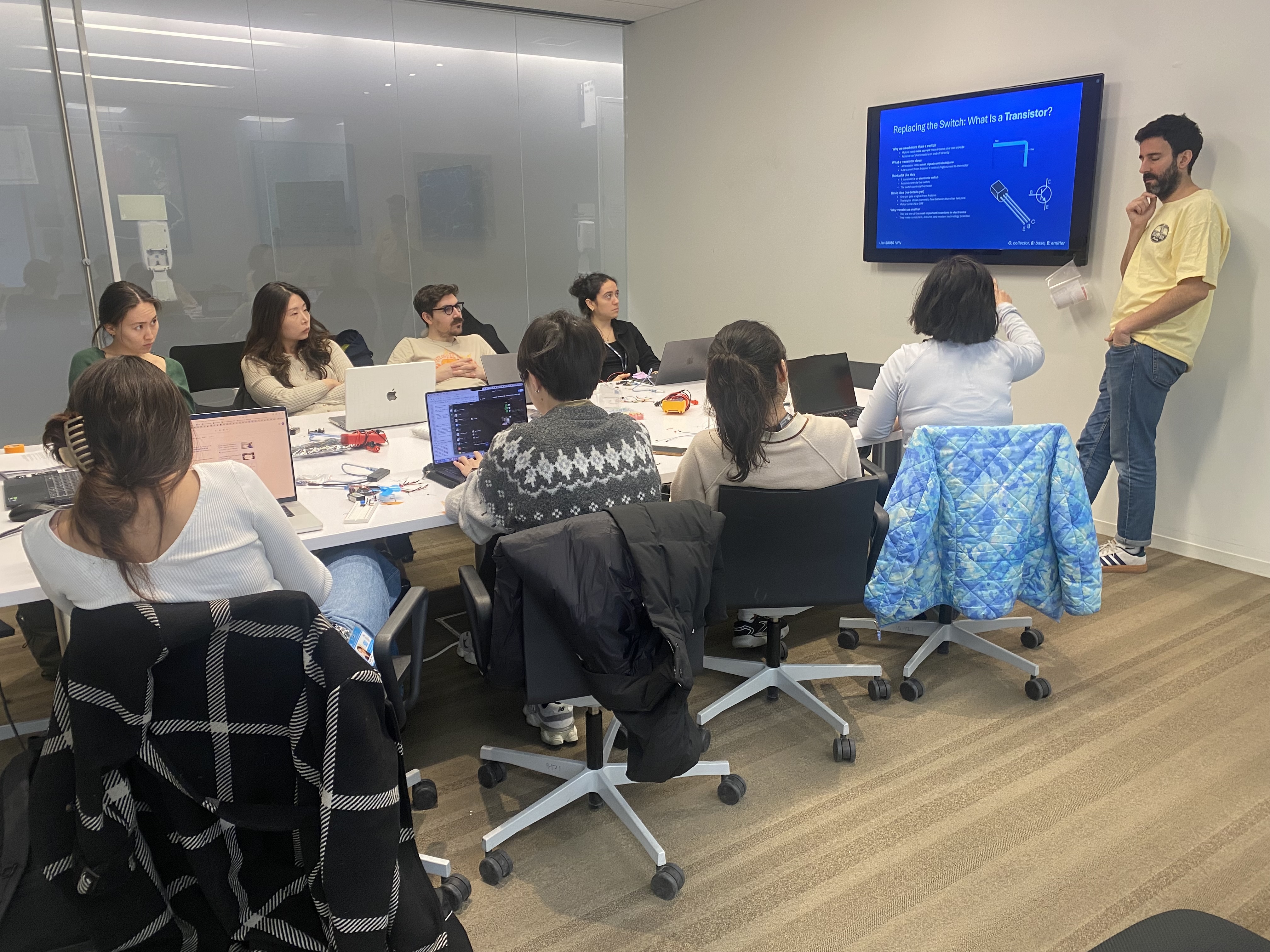
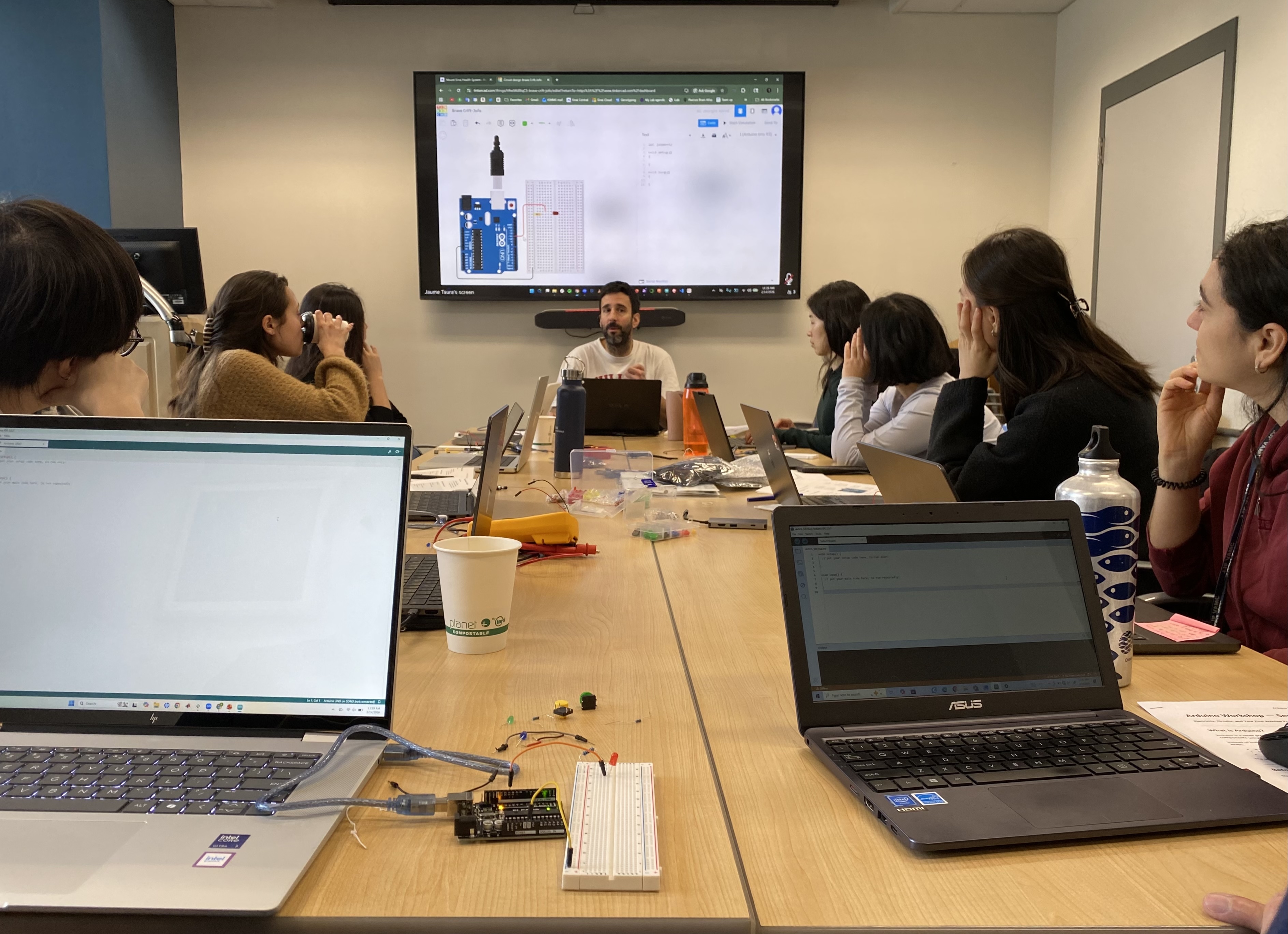
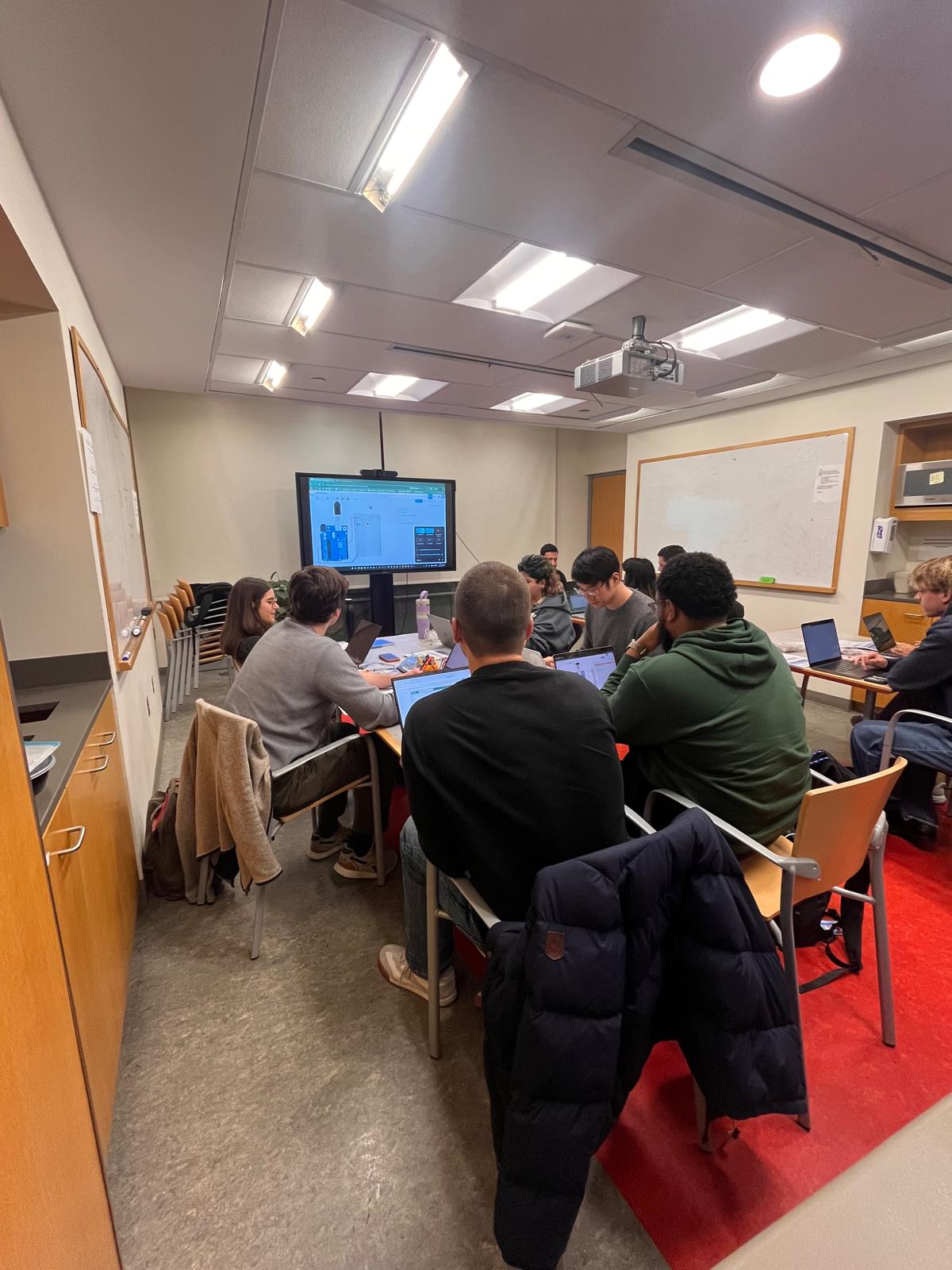
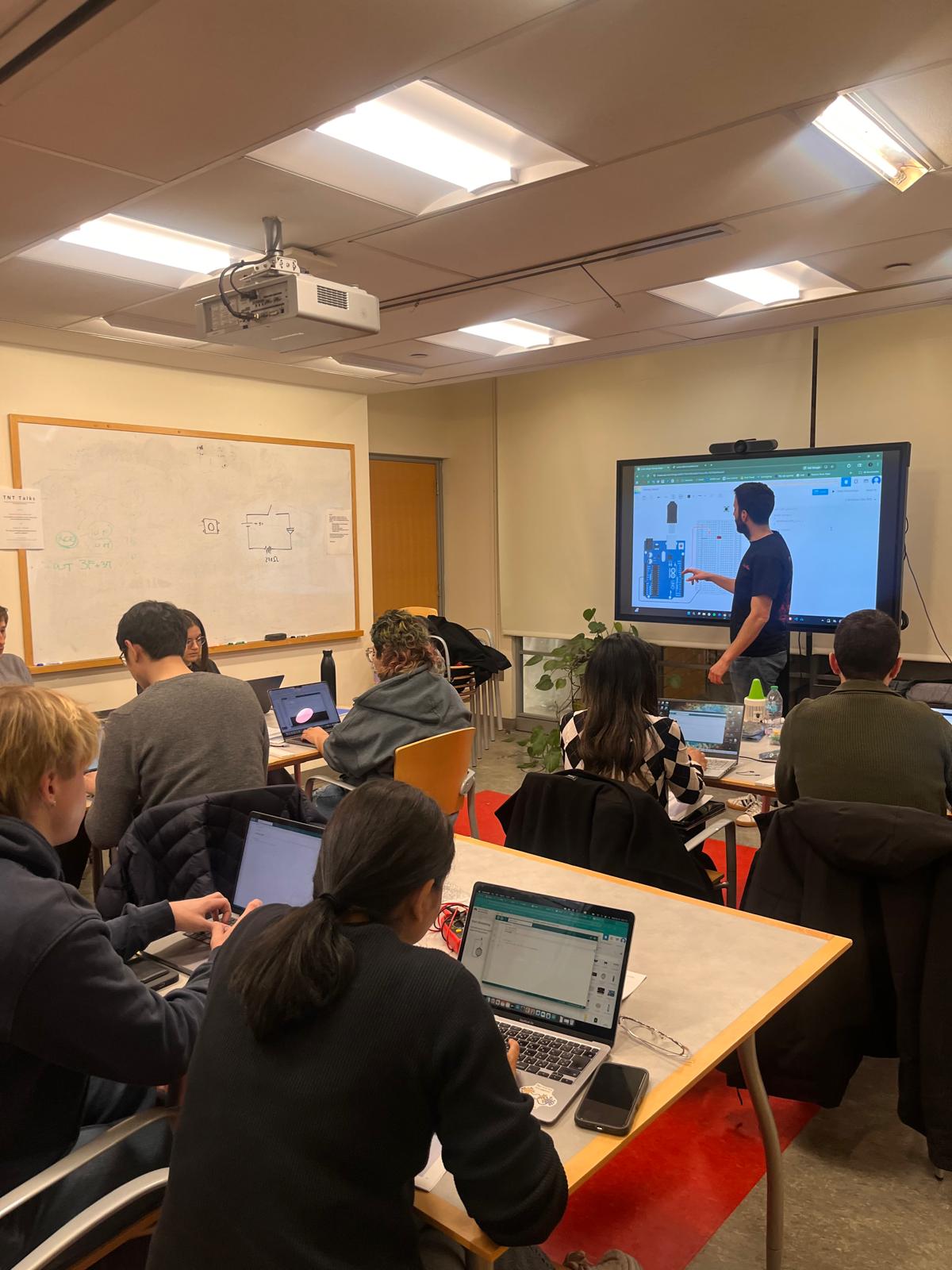
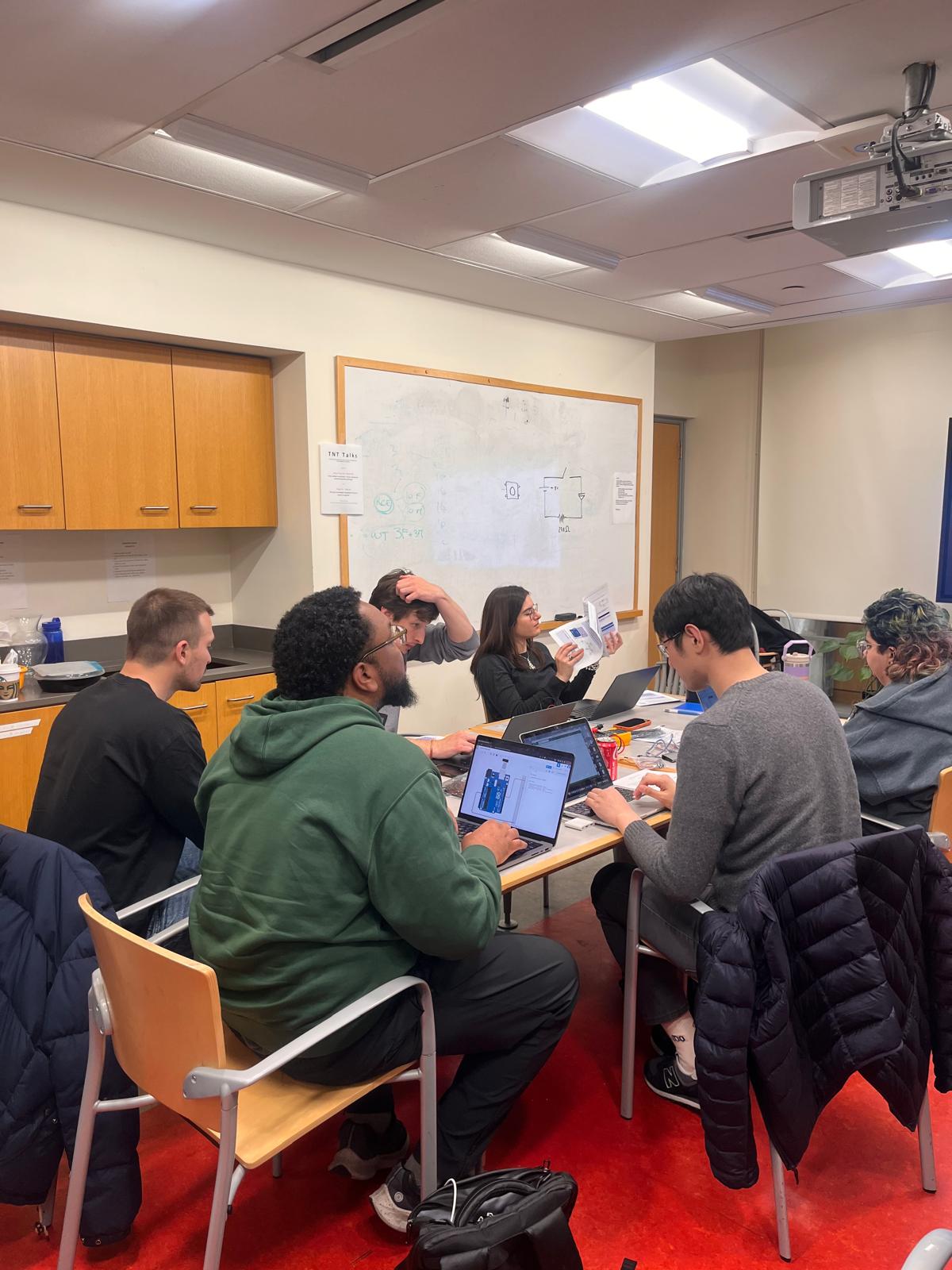
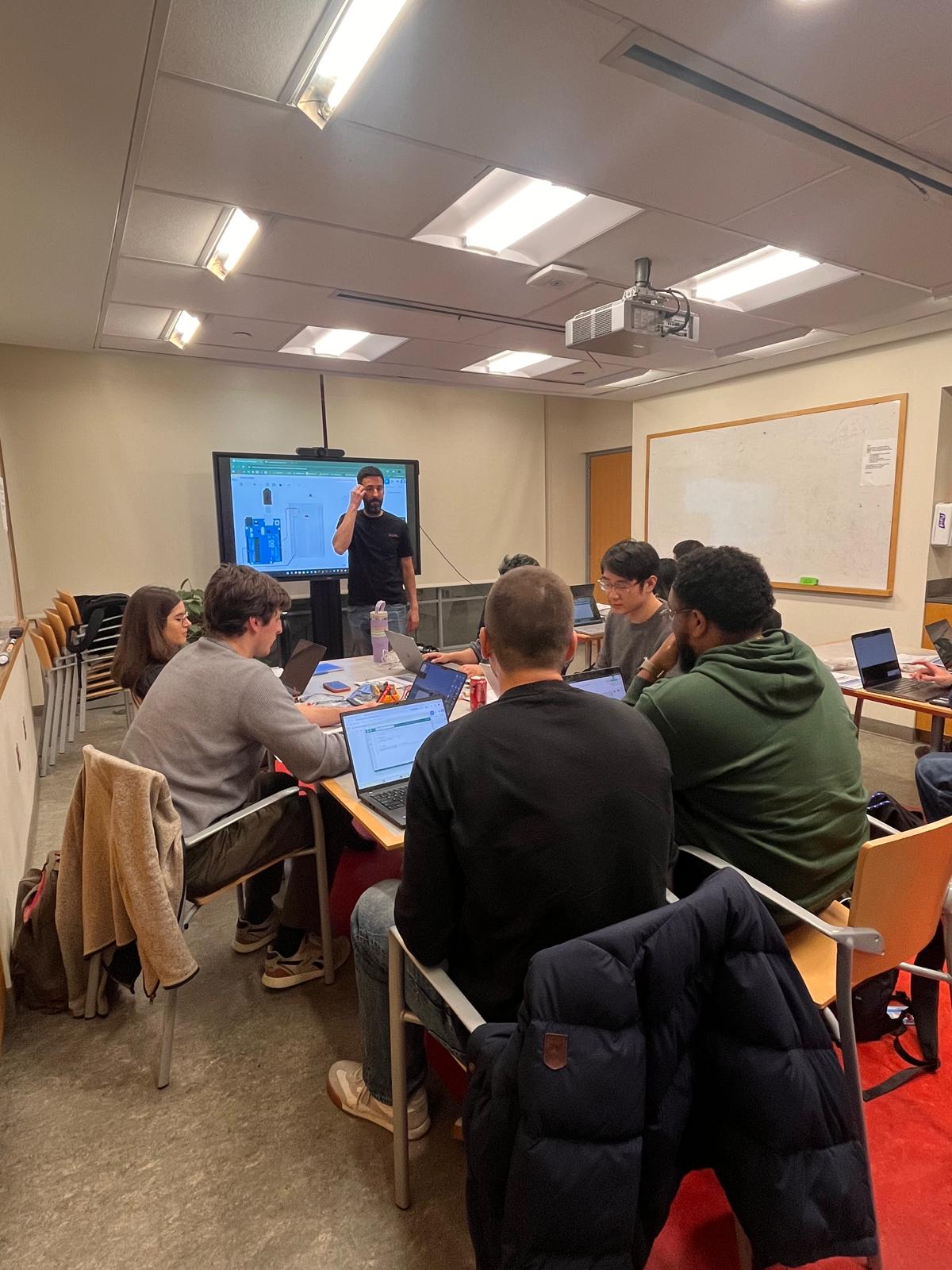
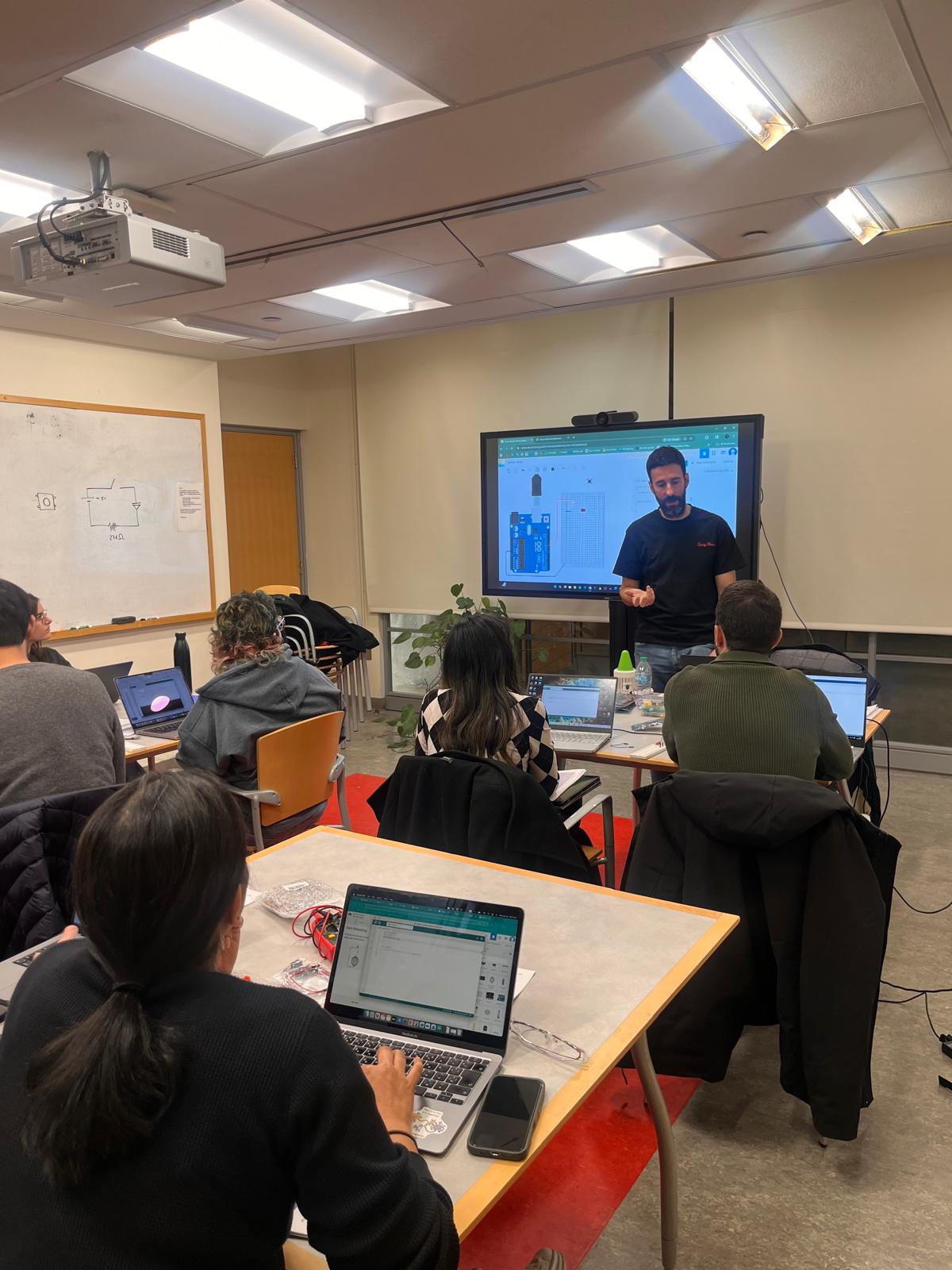
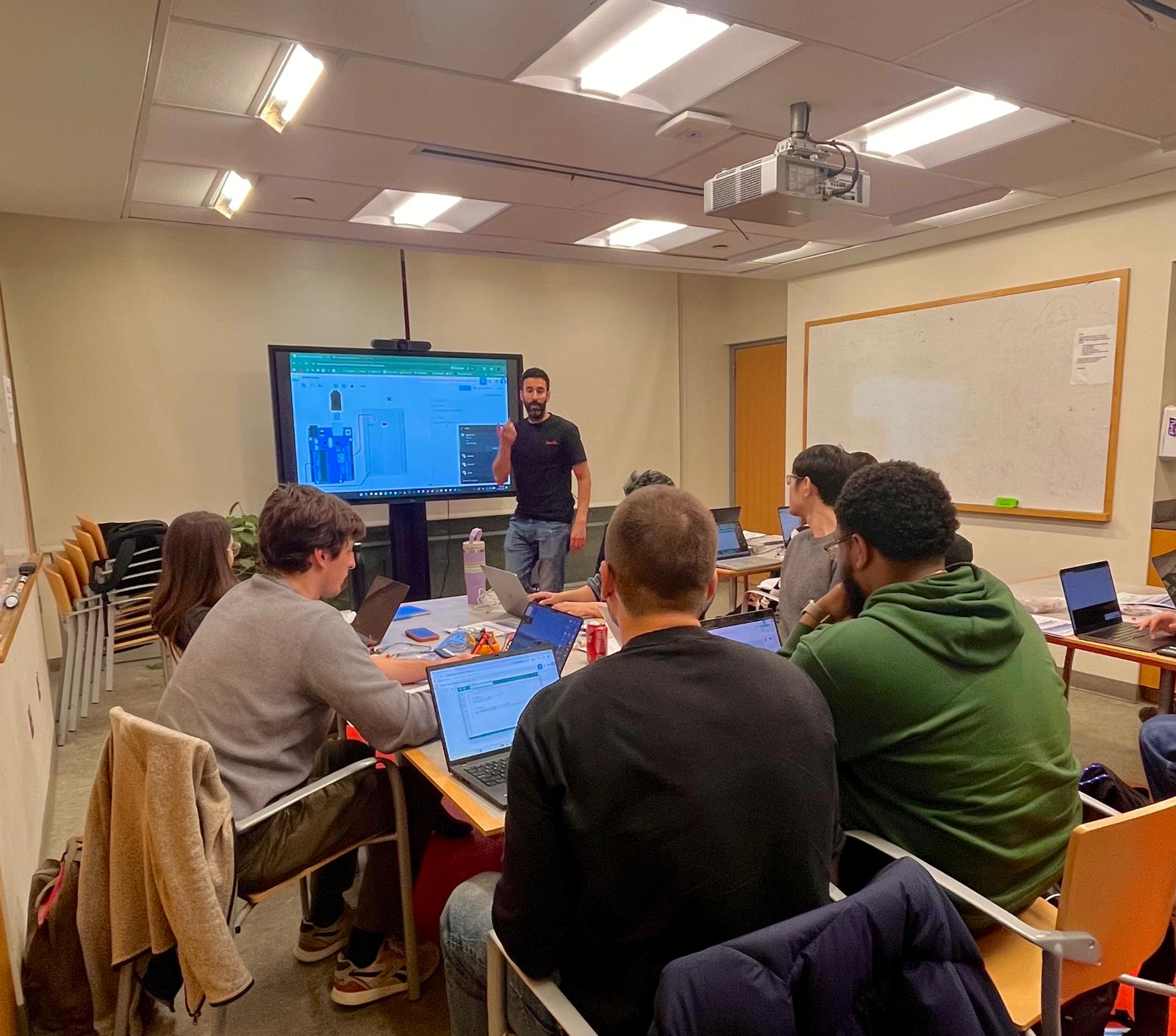
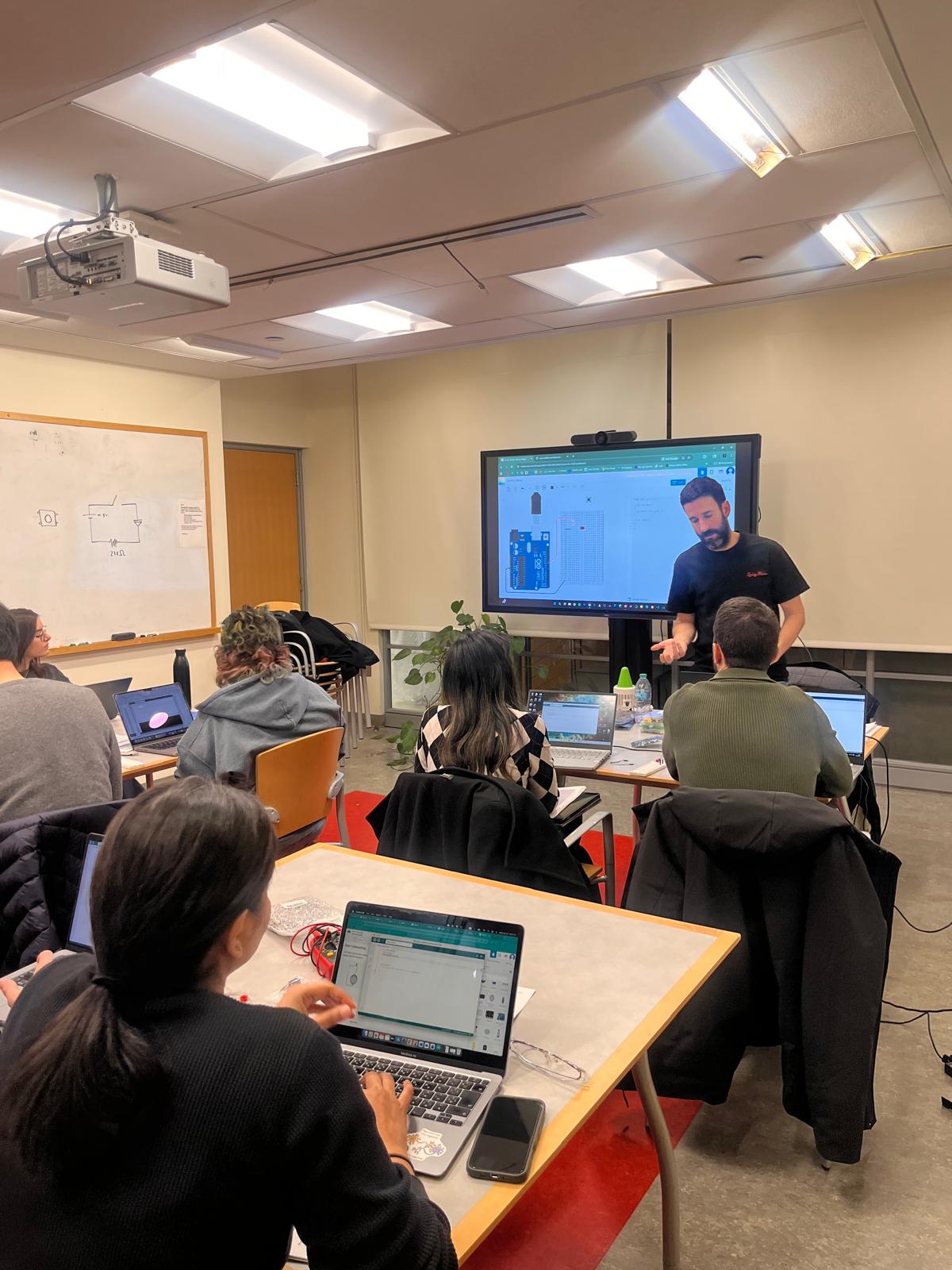
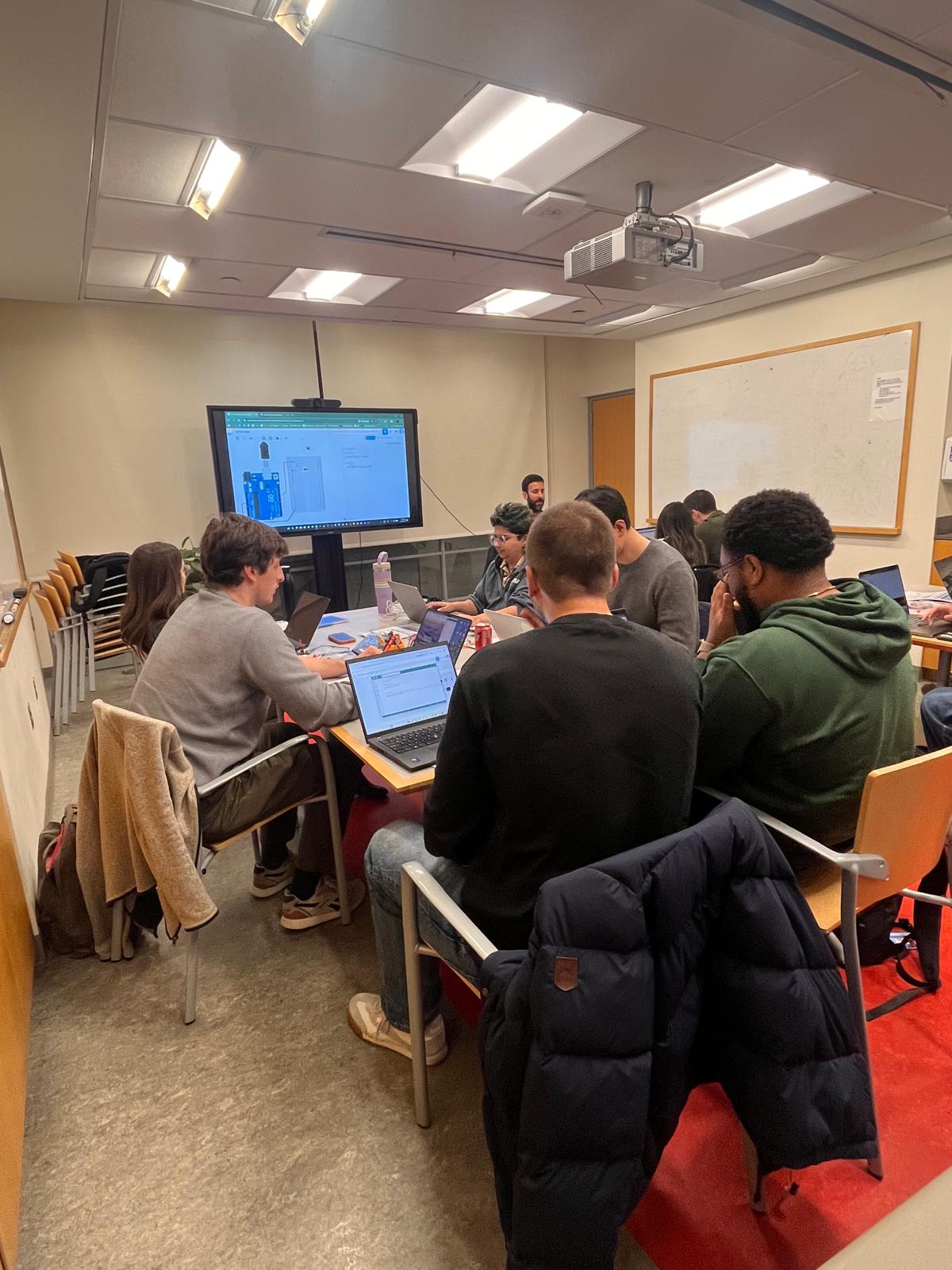
ArBEN has already been delivered through four previous editions. Each institution brought a different group of researchers and students, while the format stayed focused on direct practice, troubleshooting and useful tools.
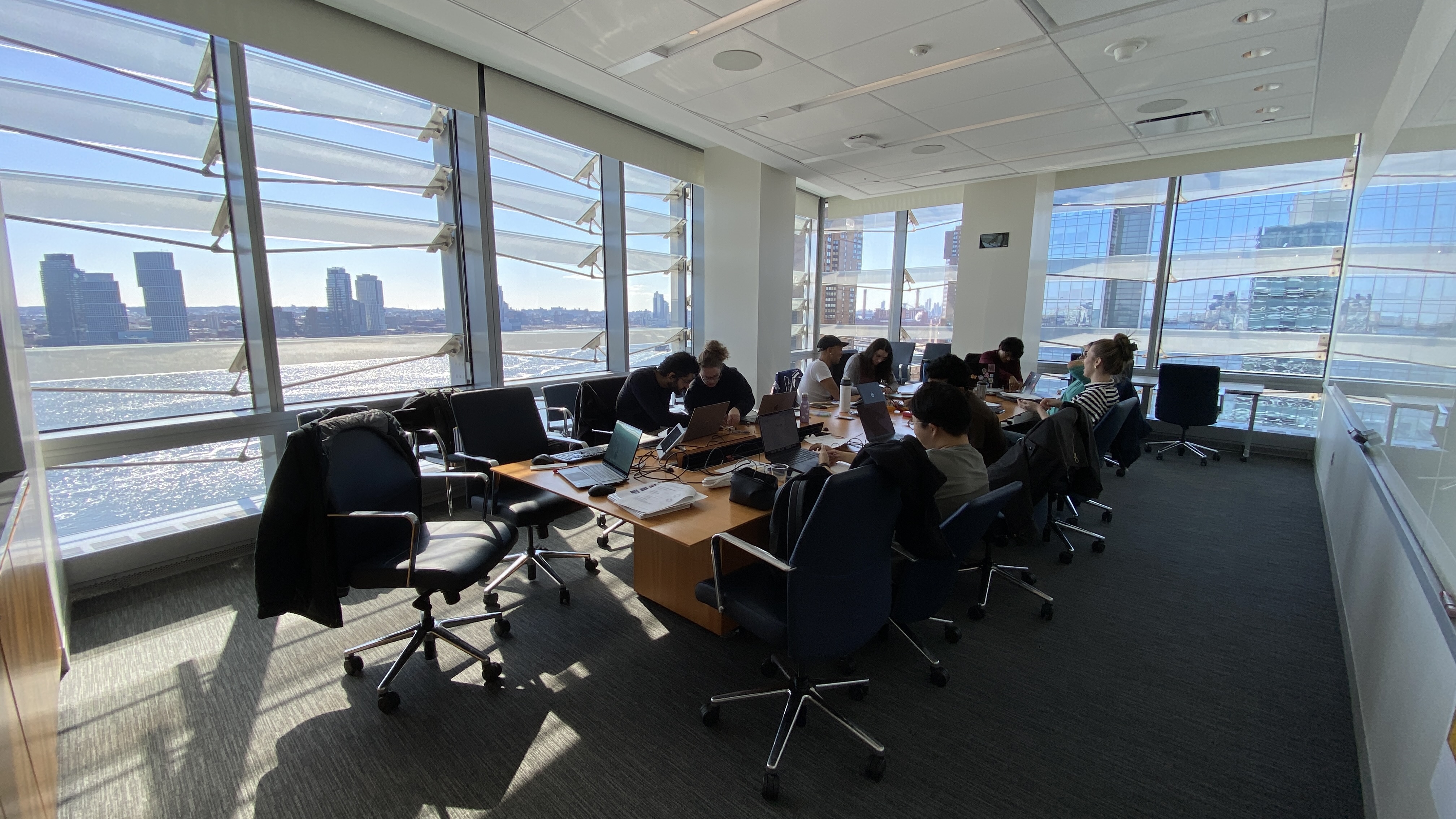
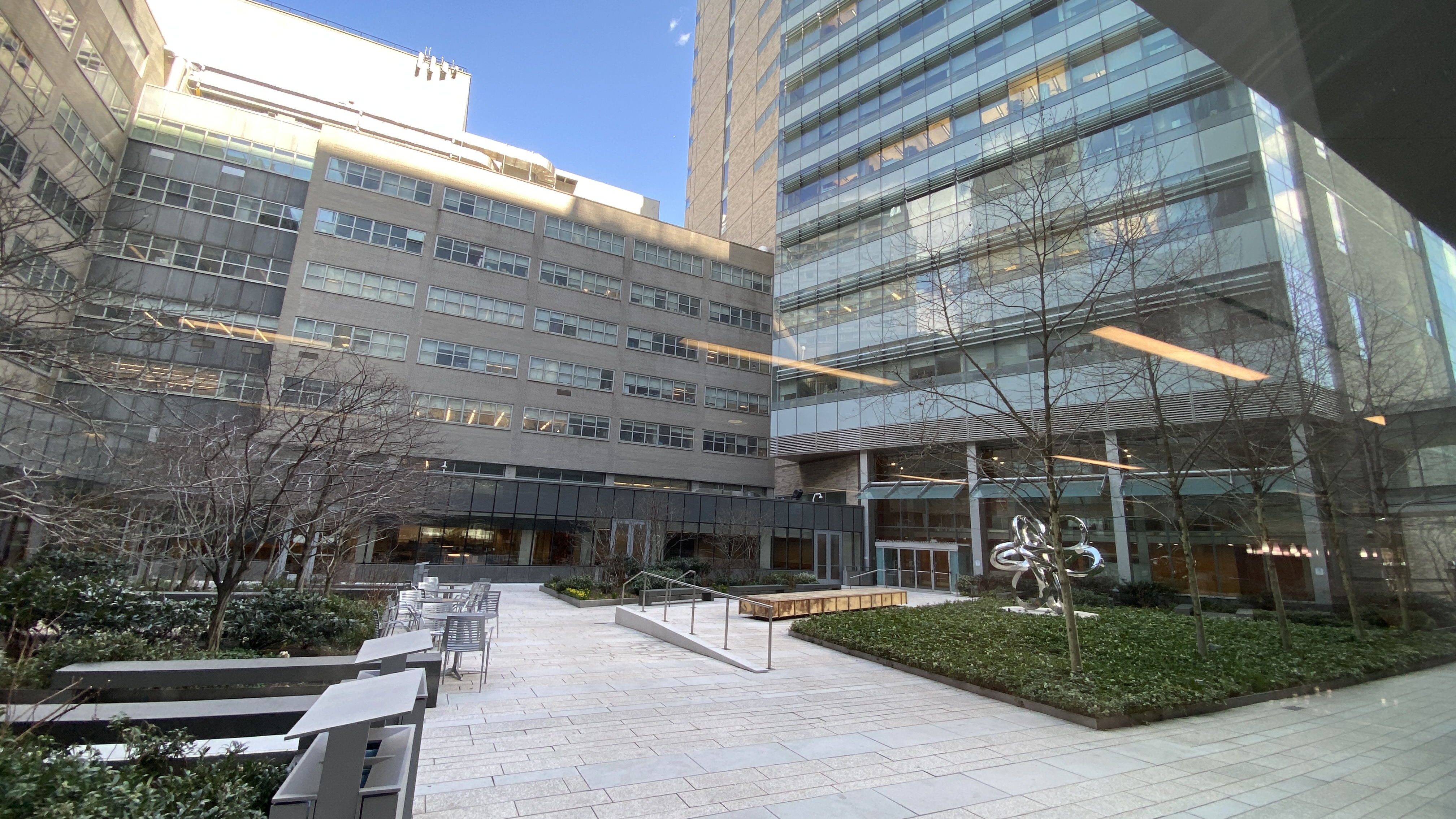
New York · two editions

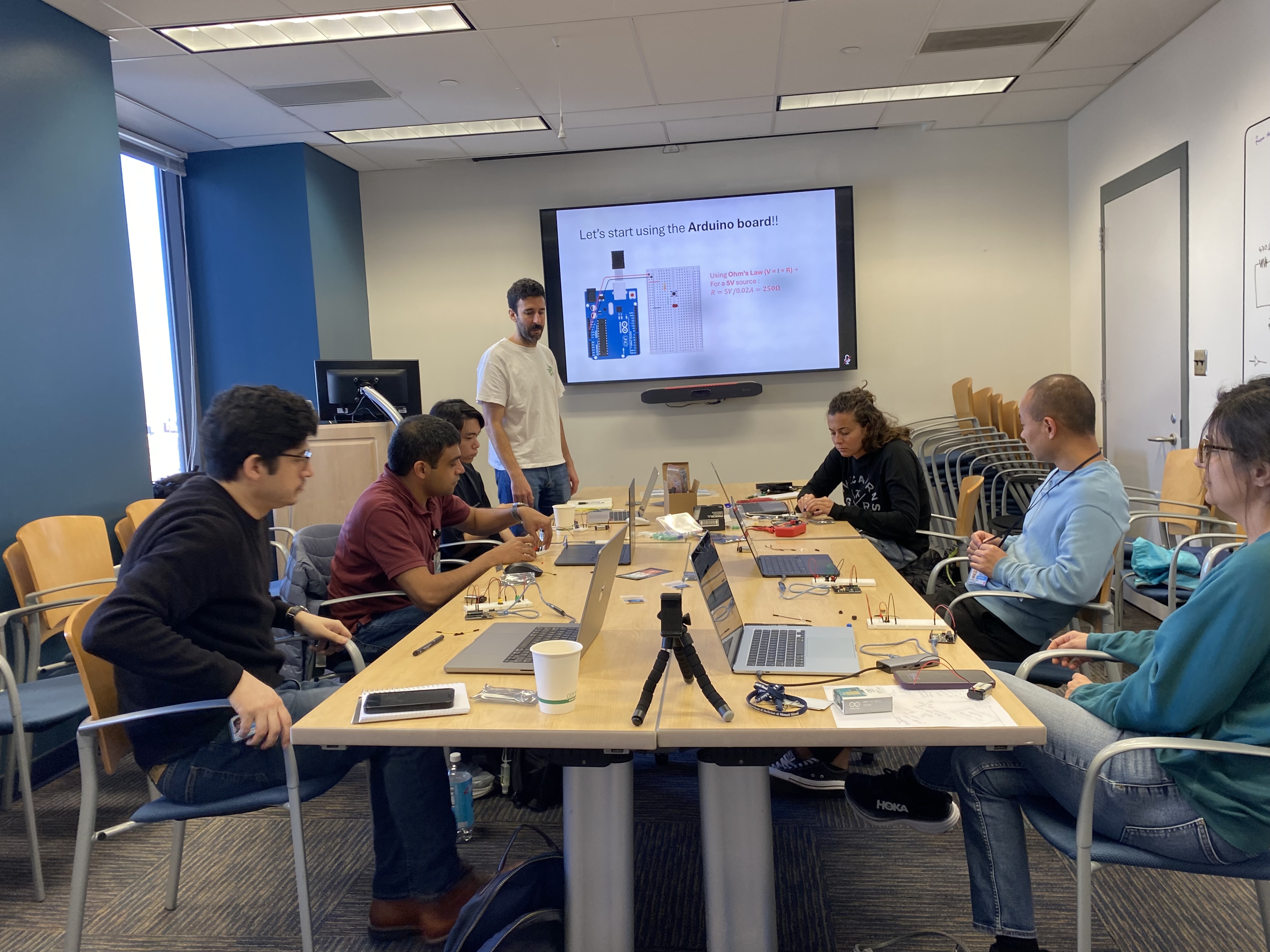
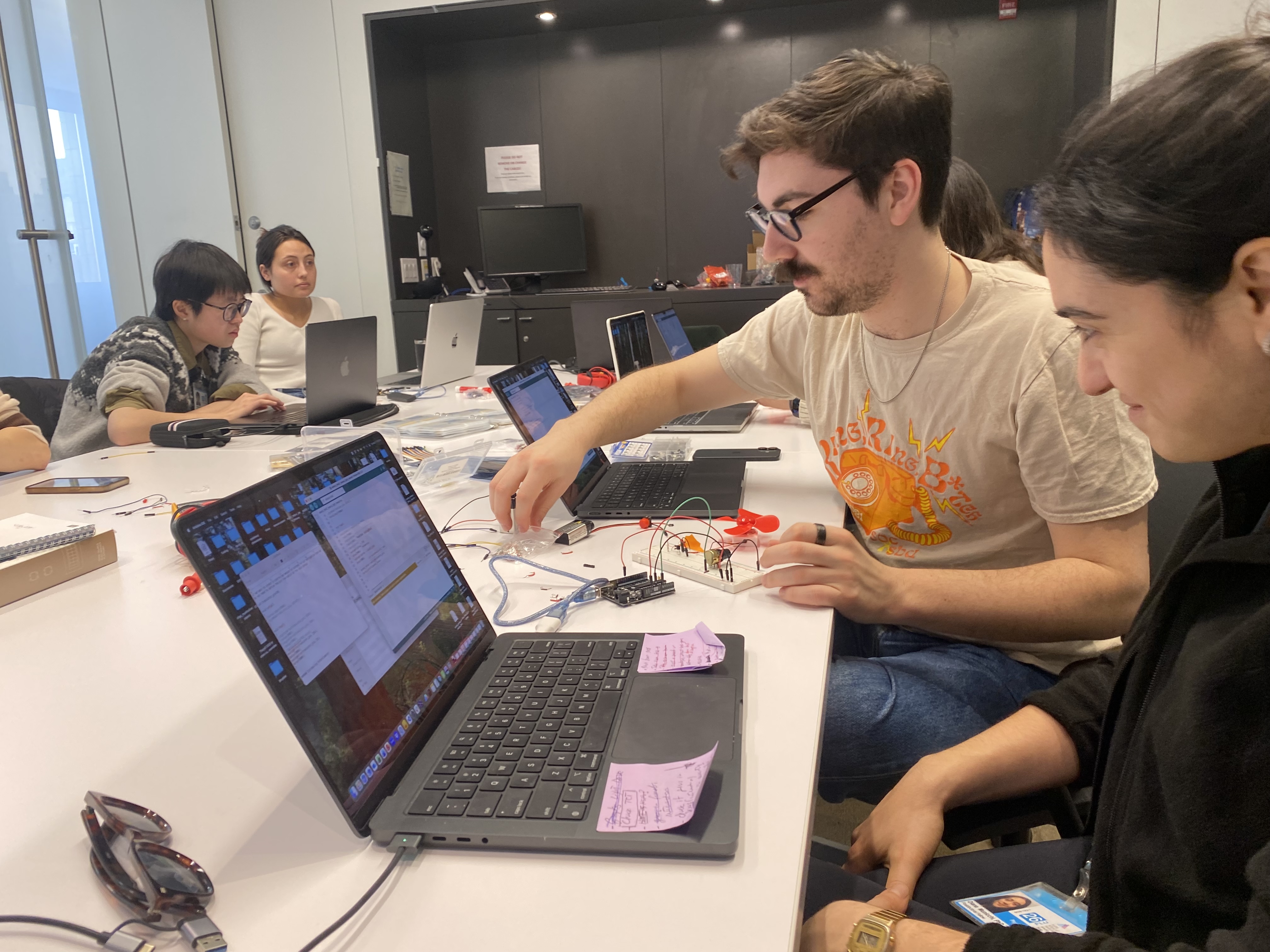
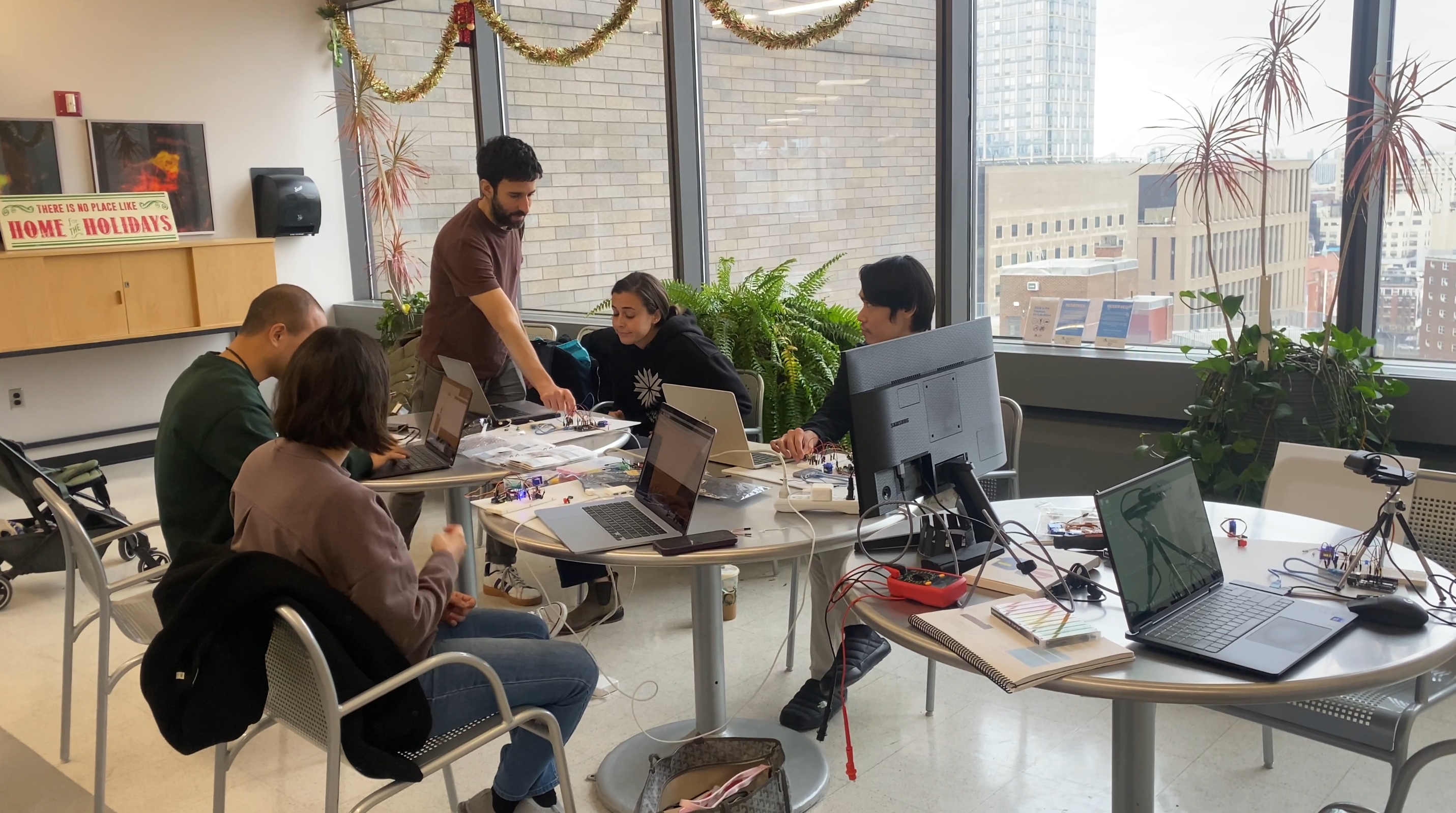
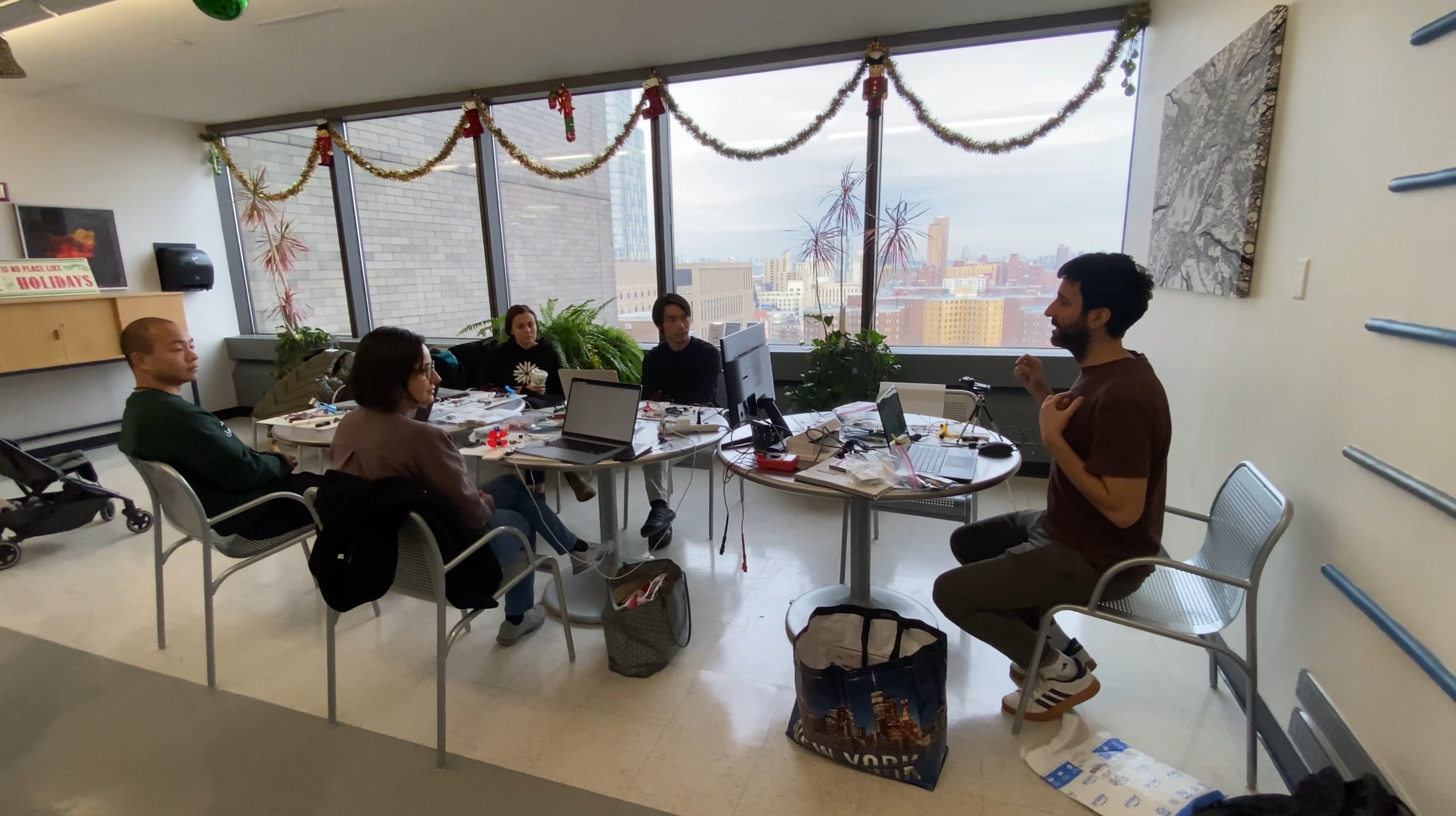
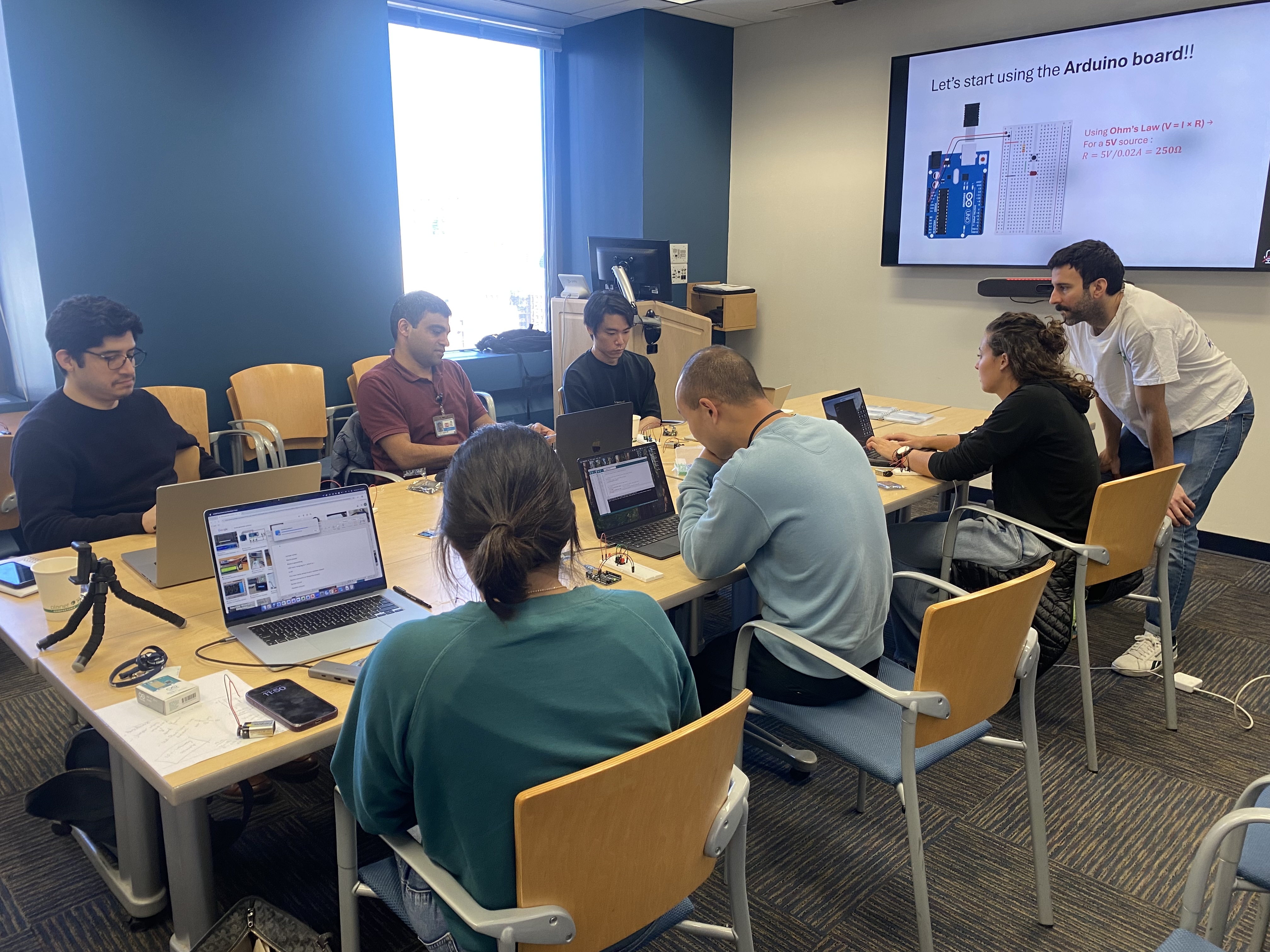
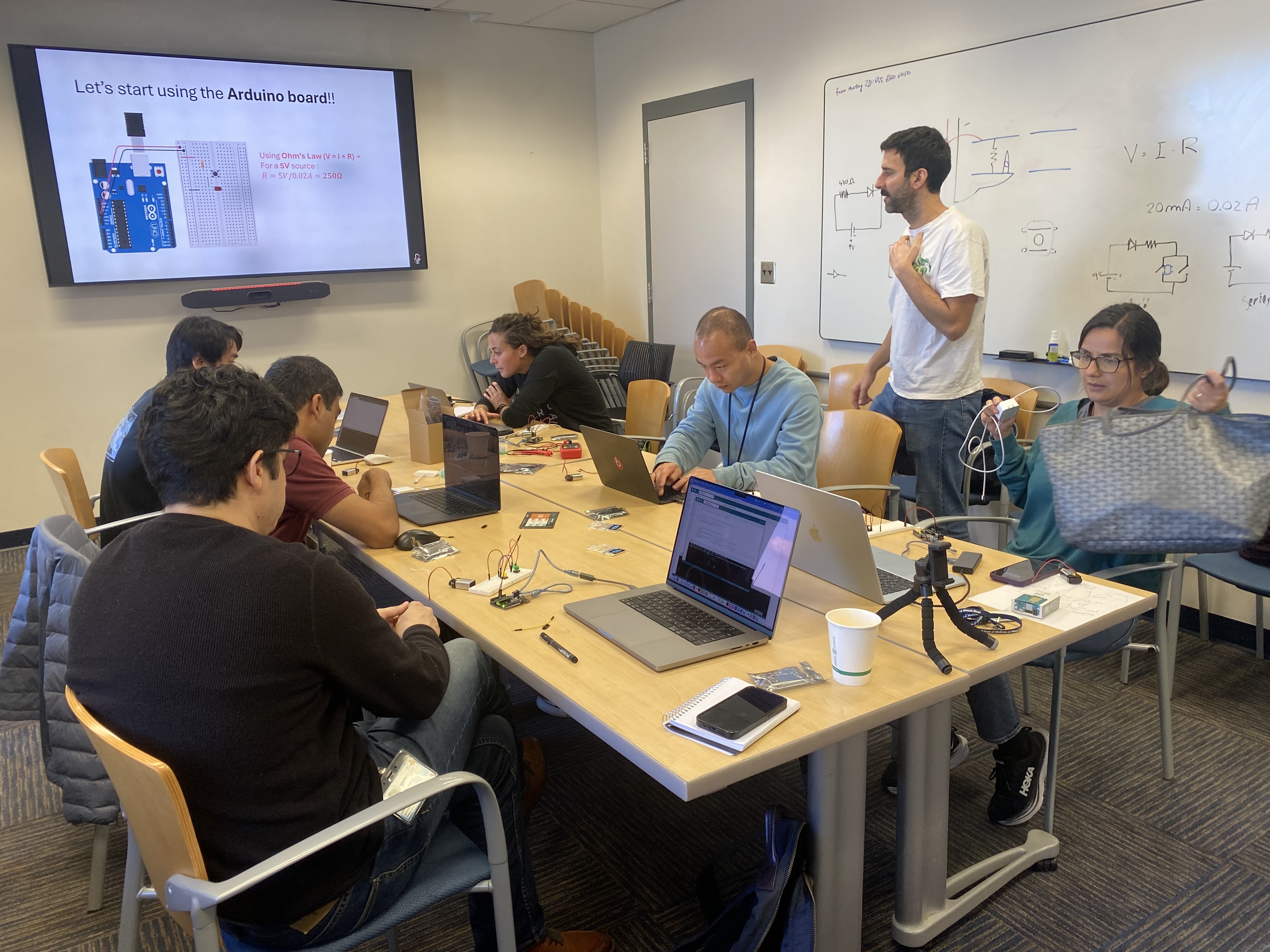
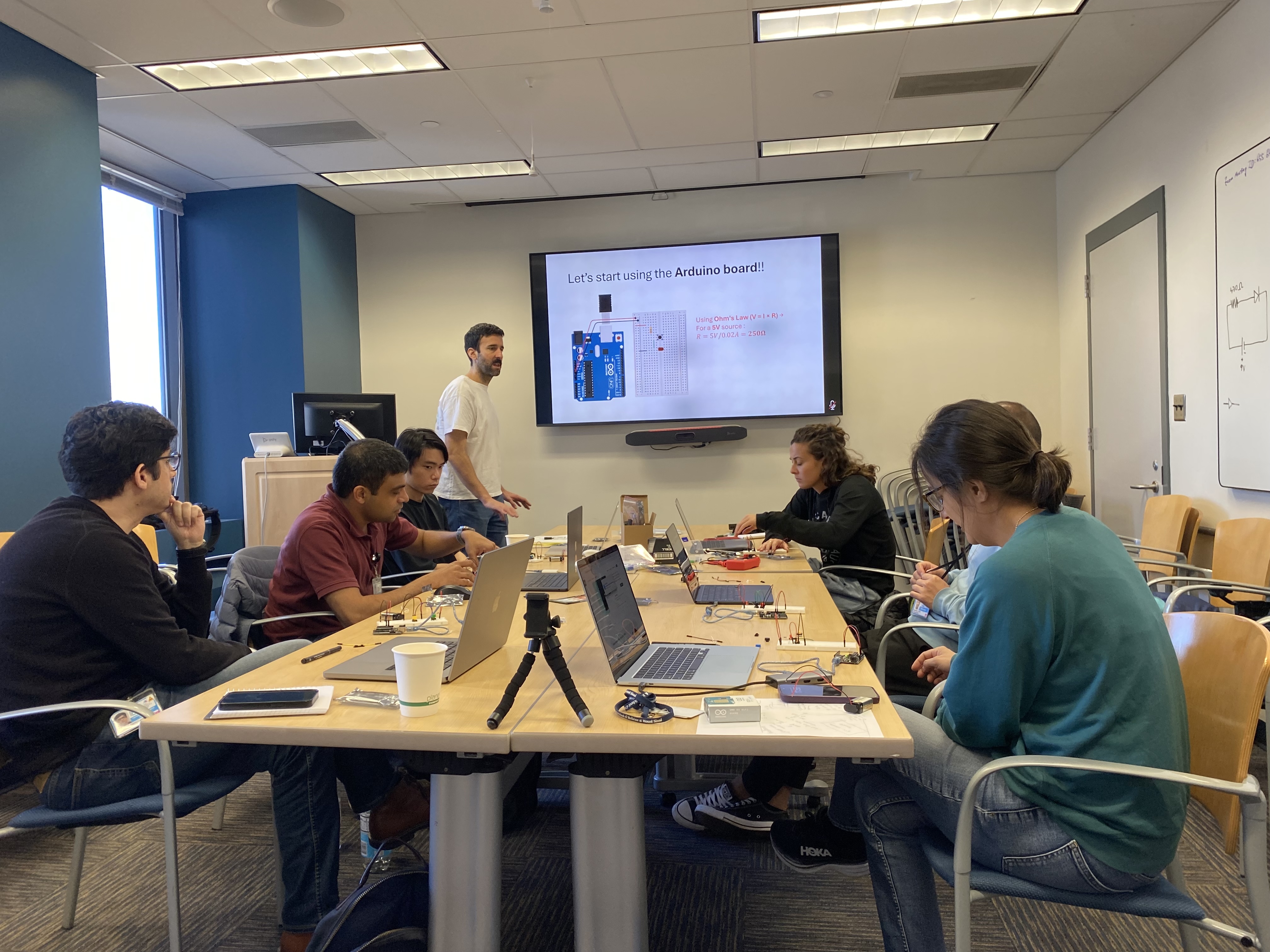
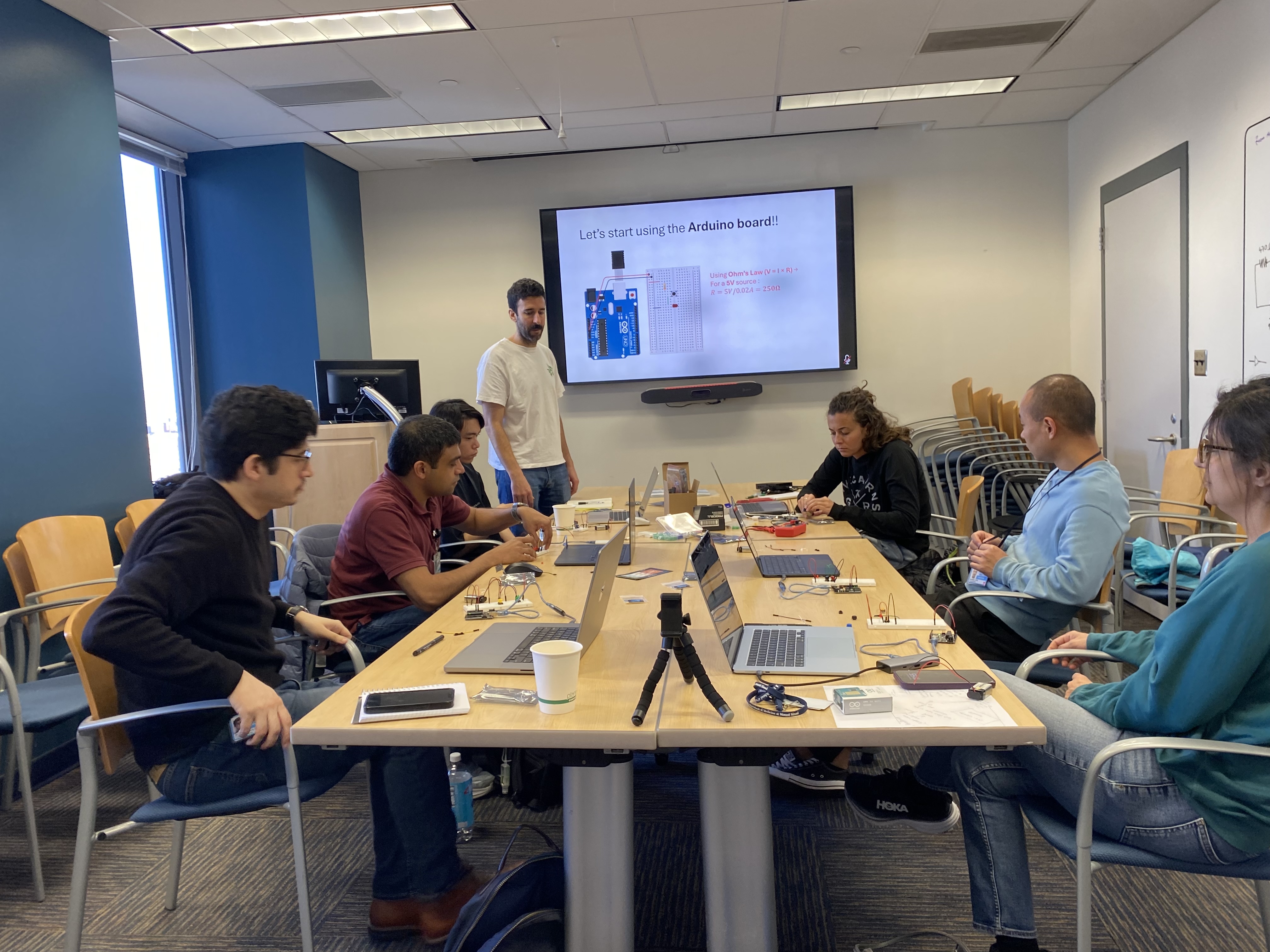
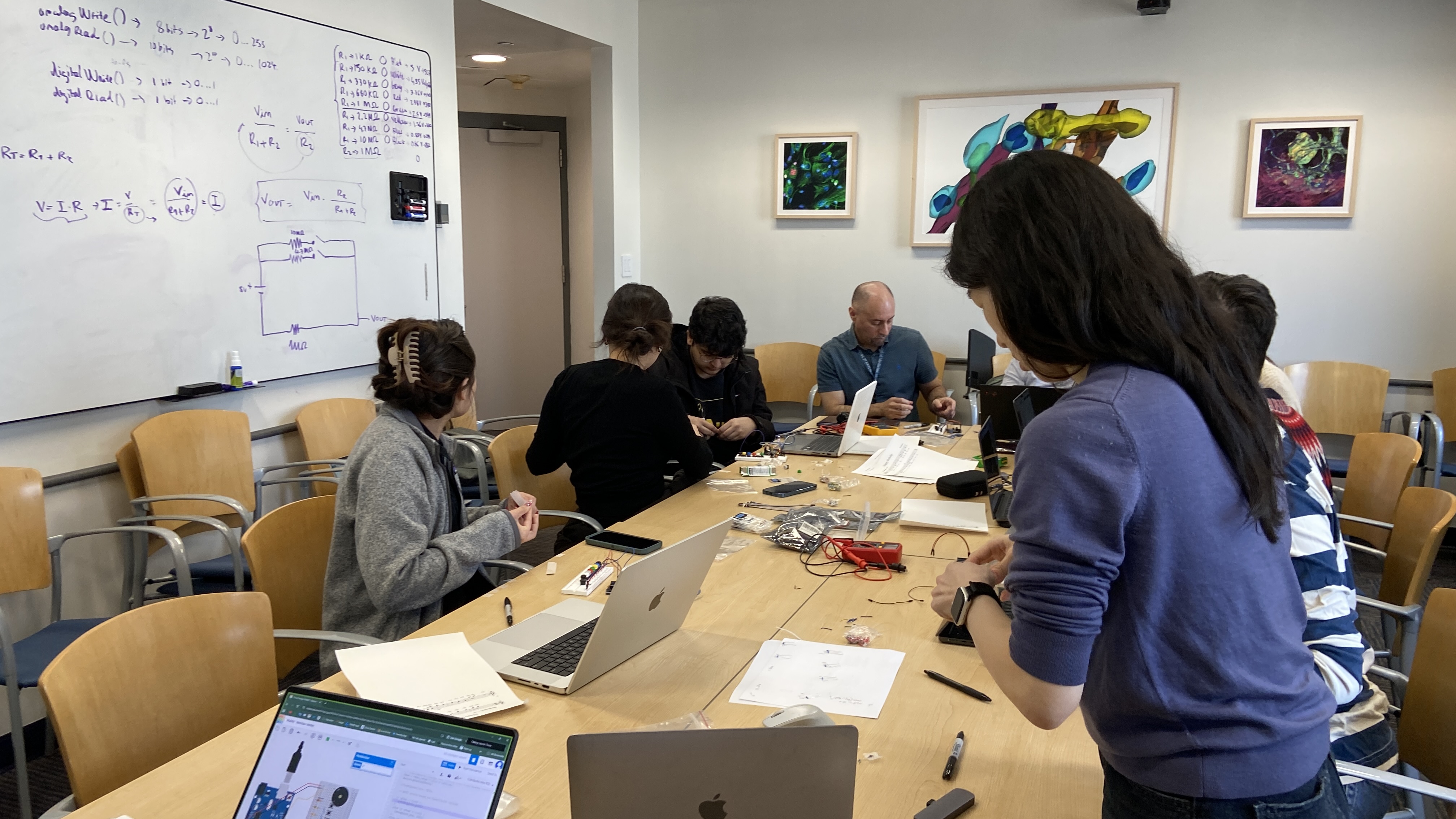
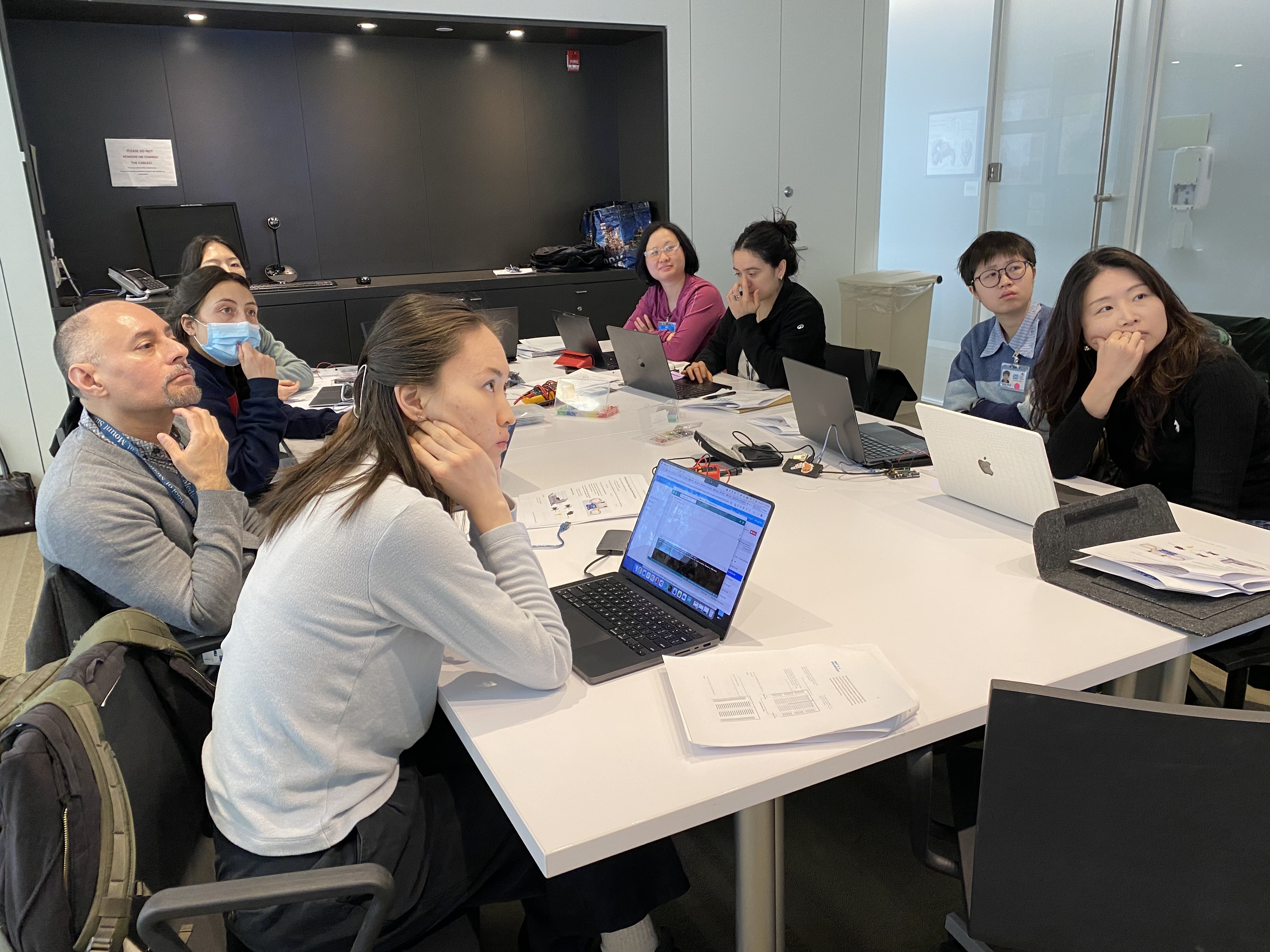
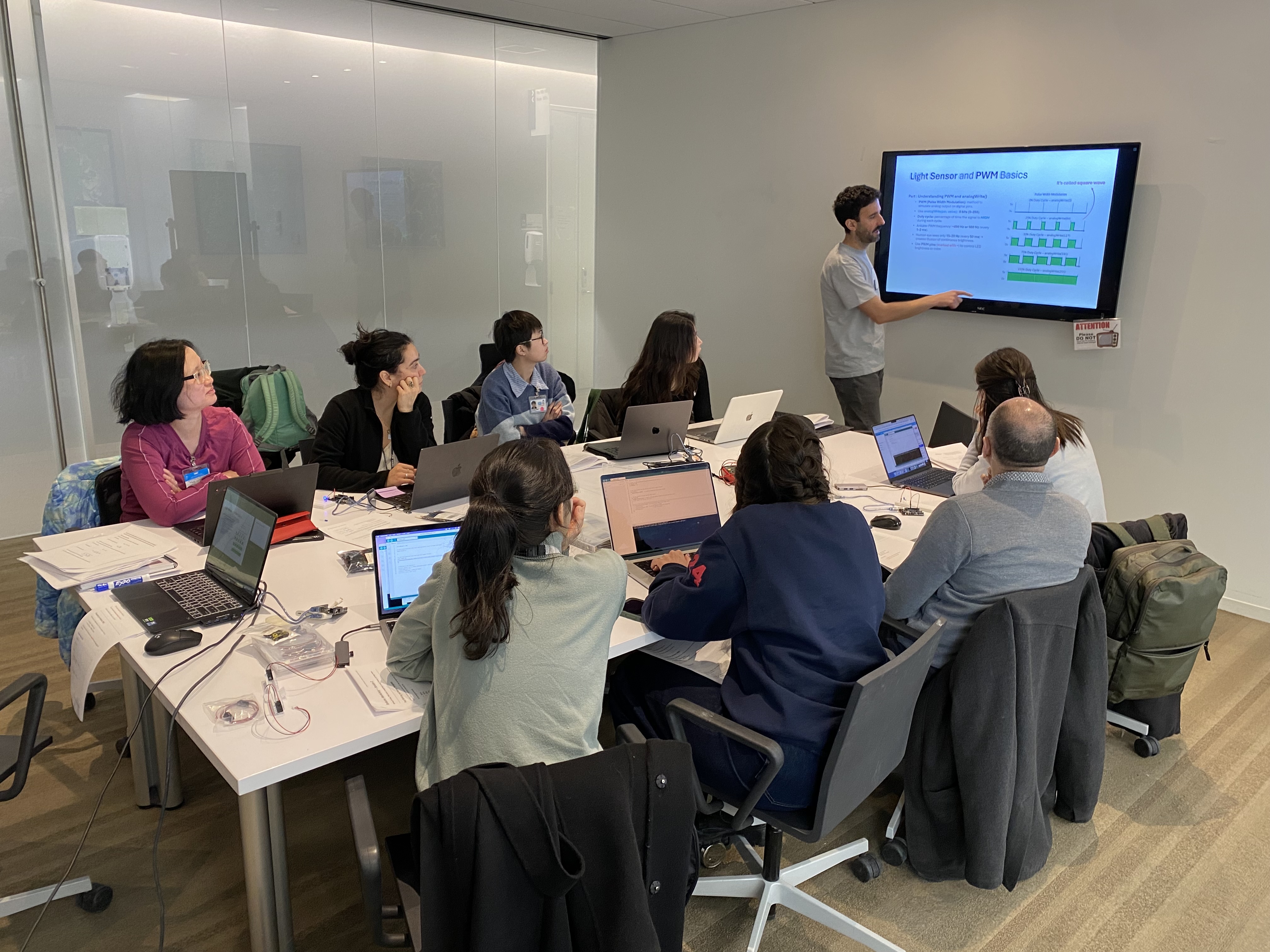
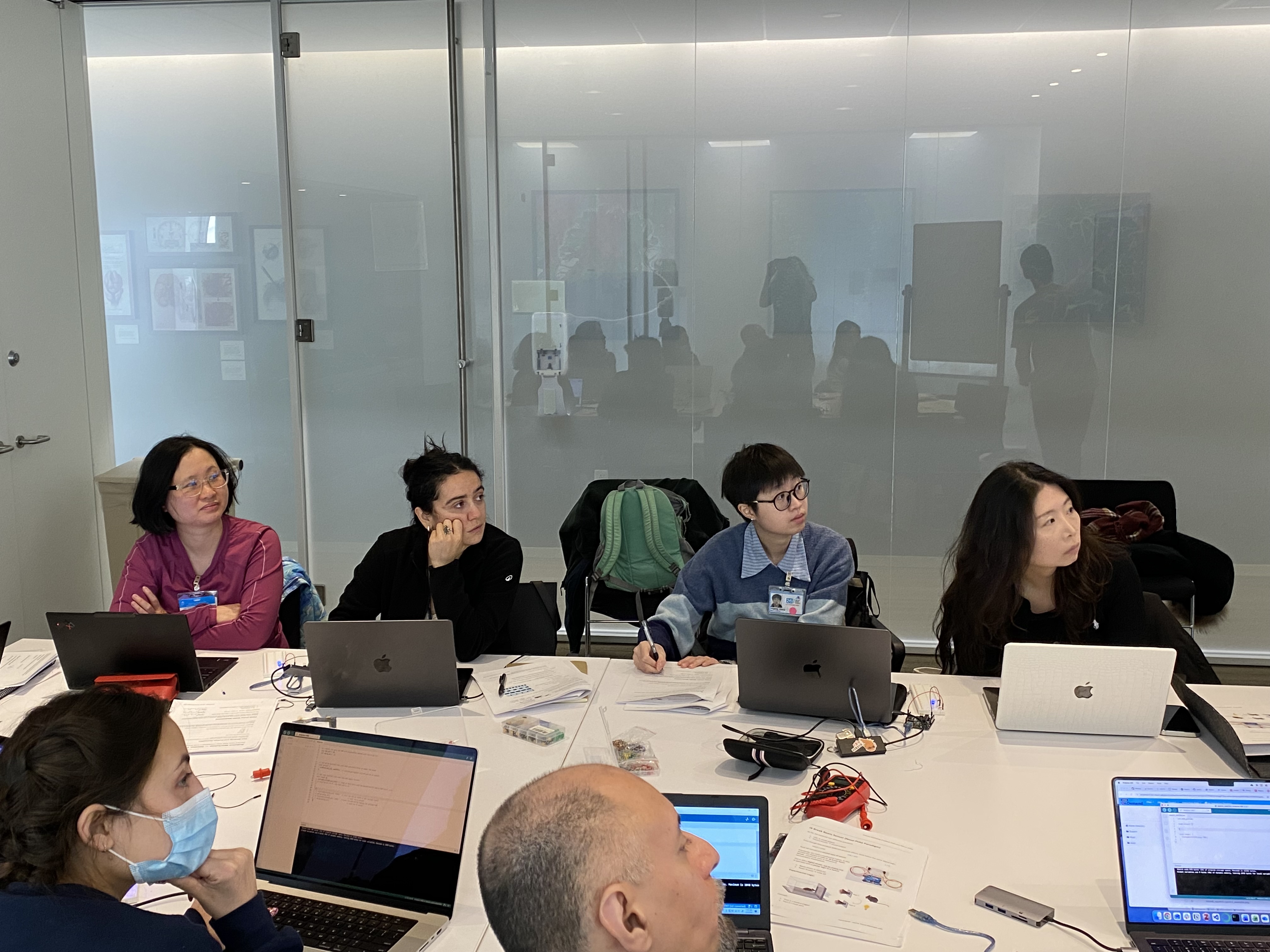
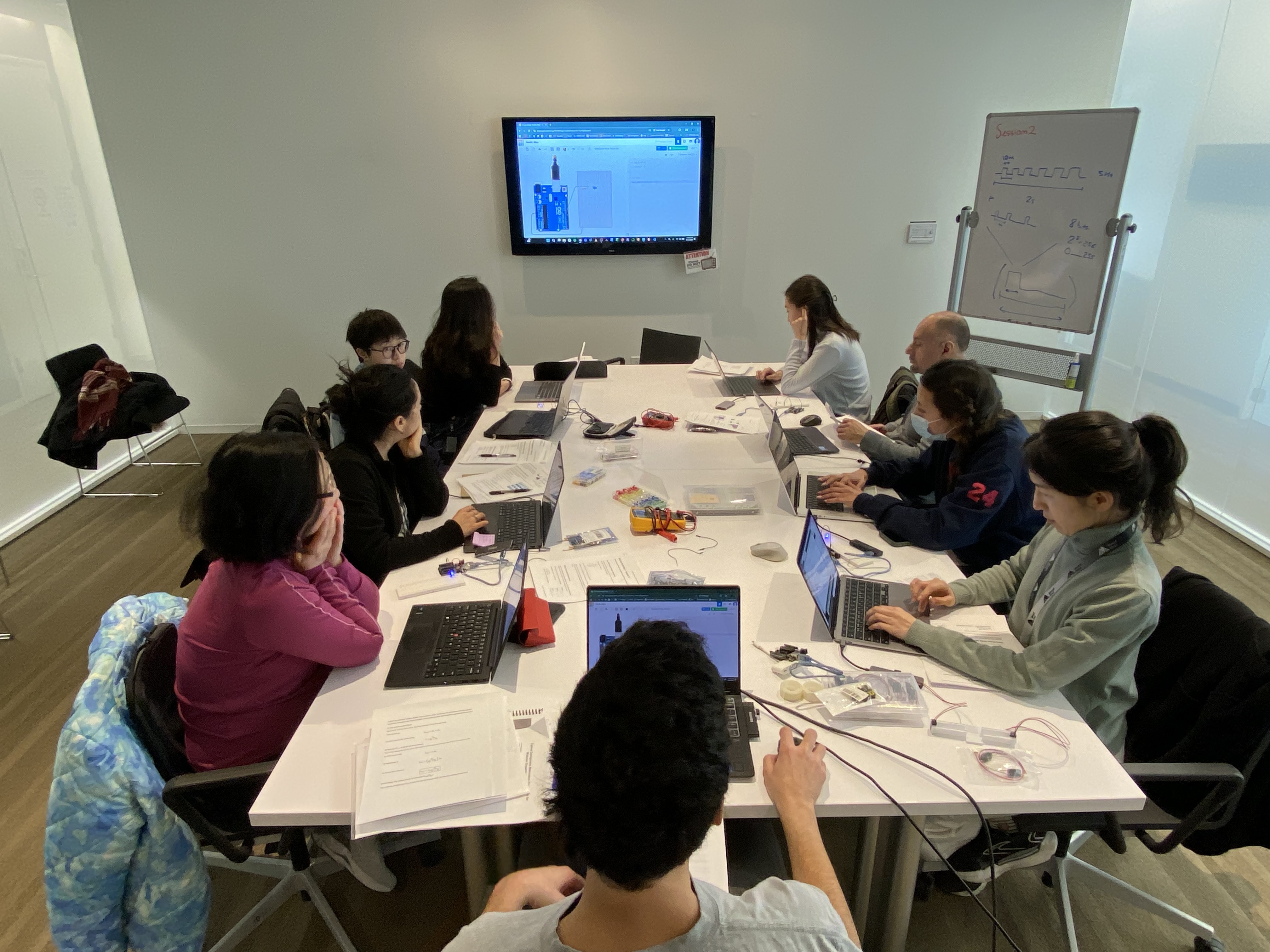
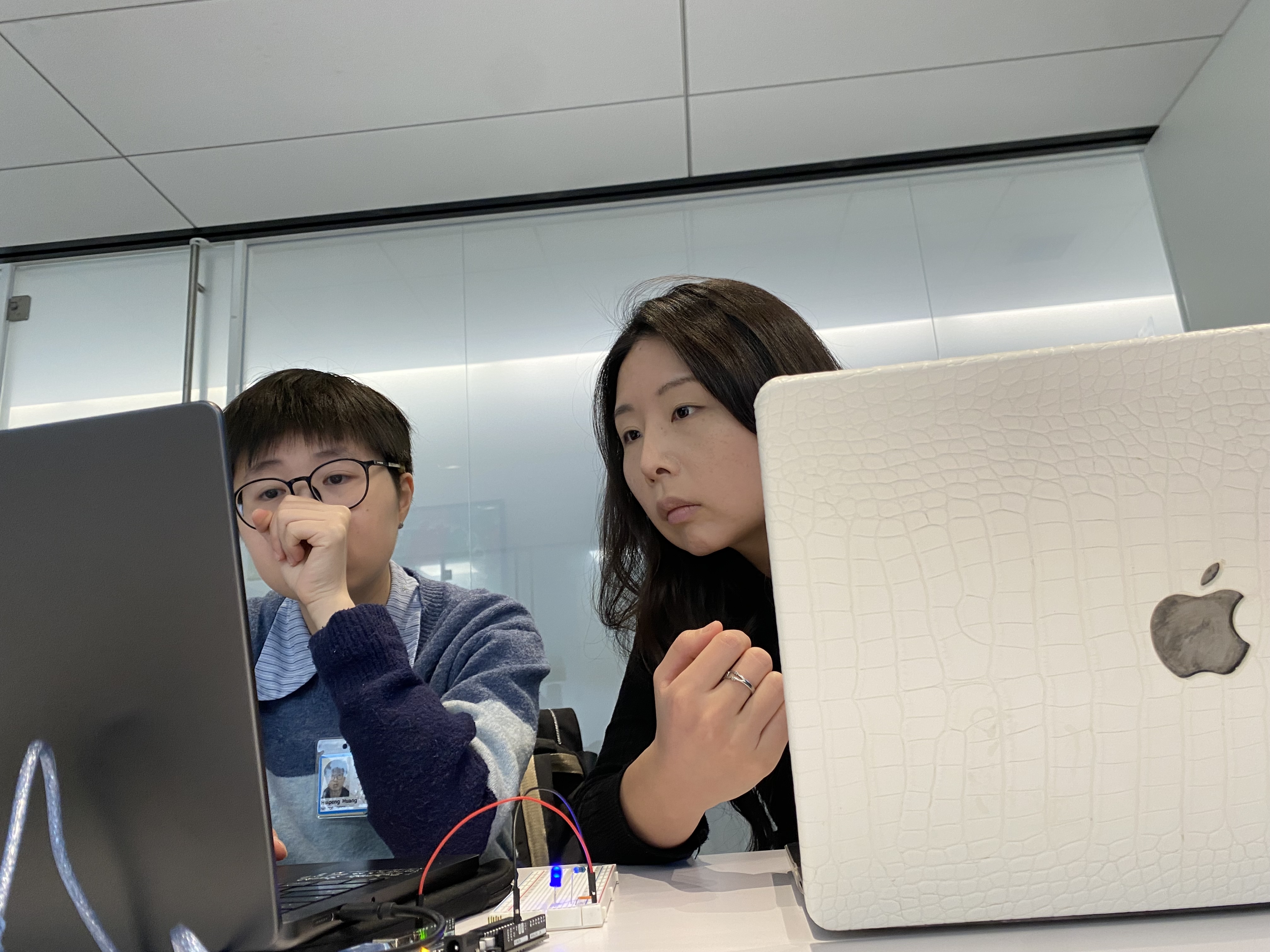
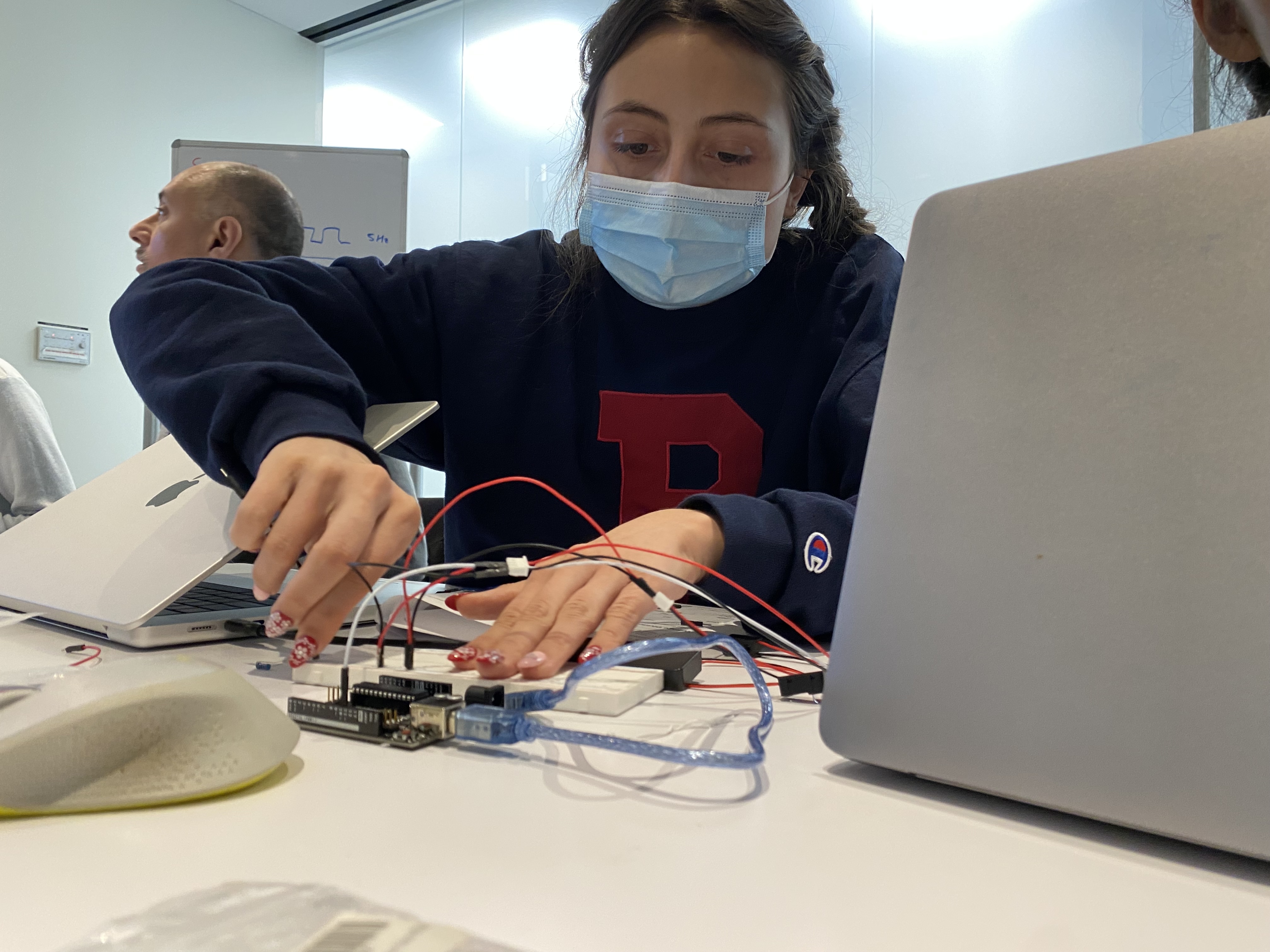
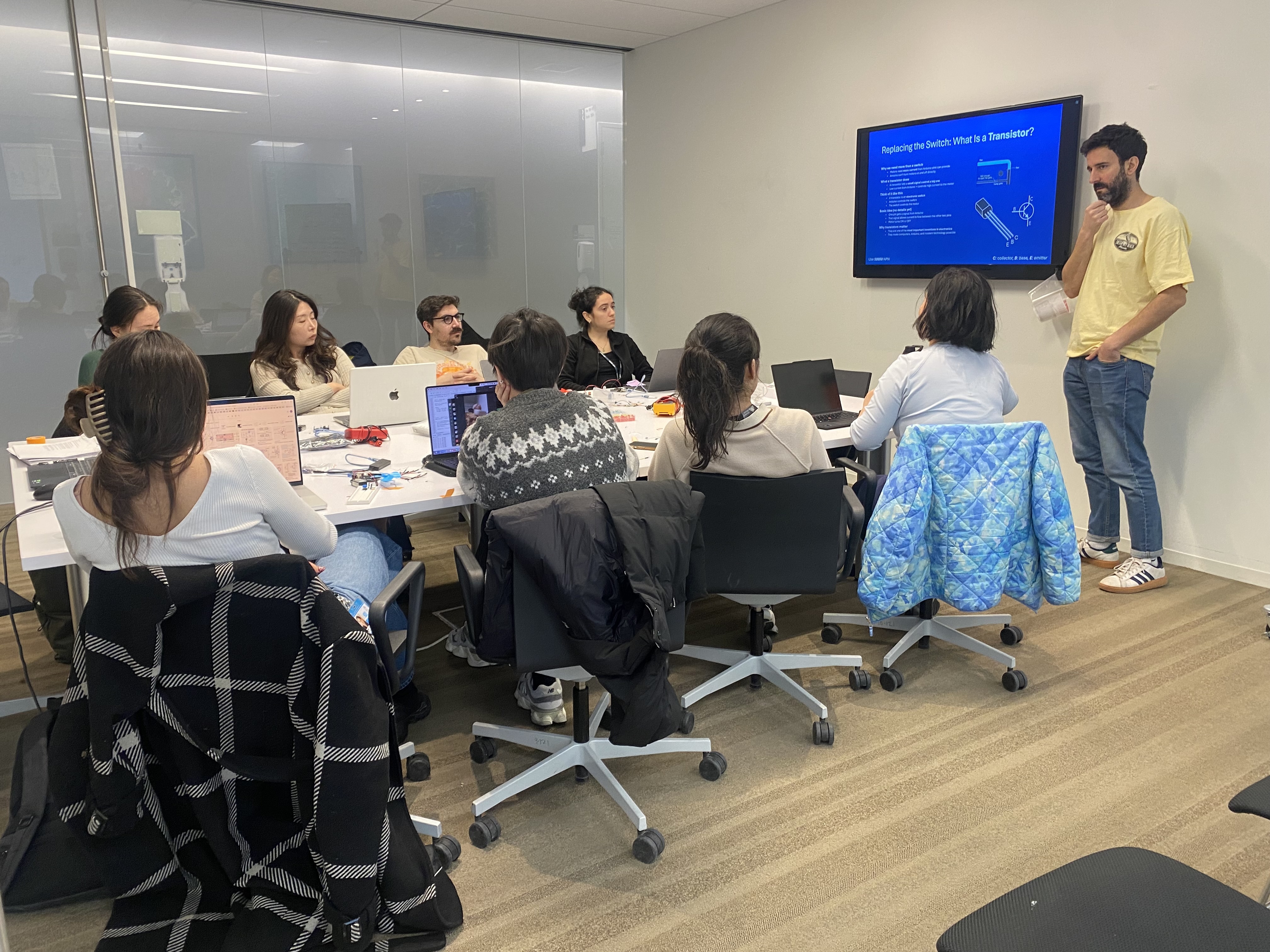
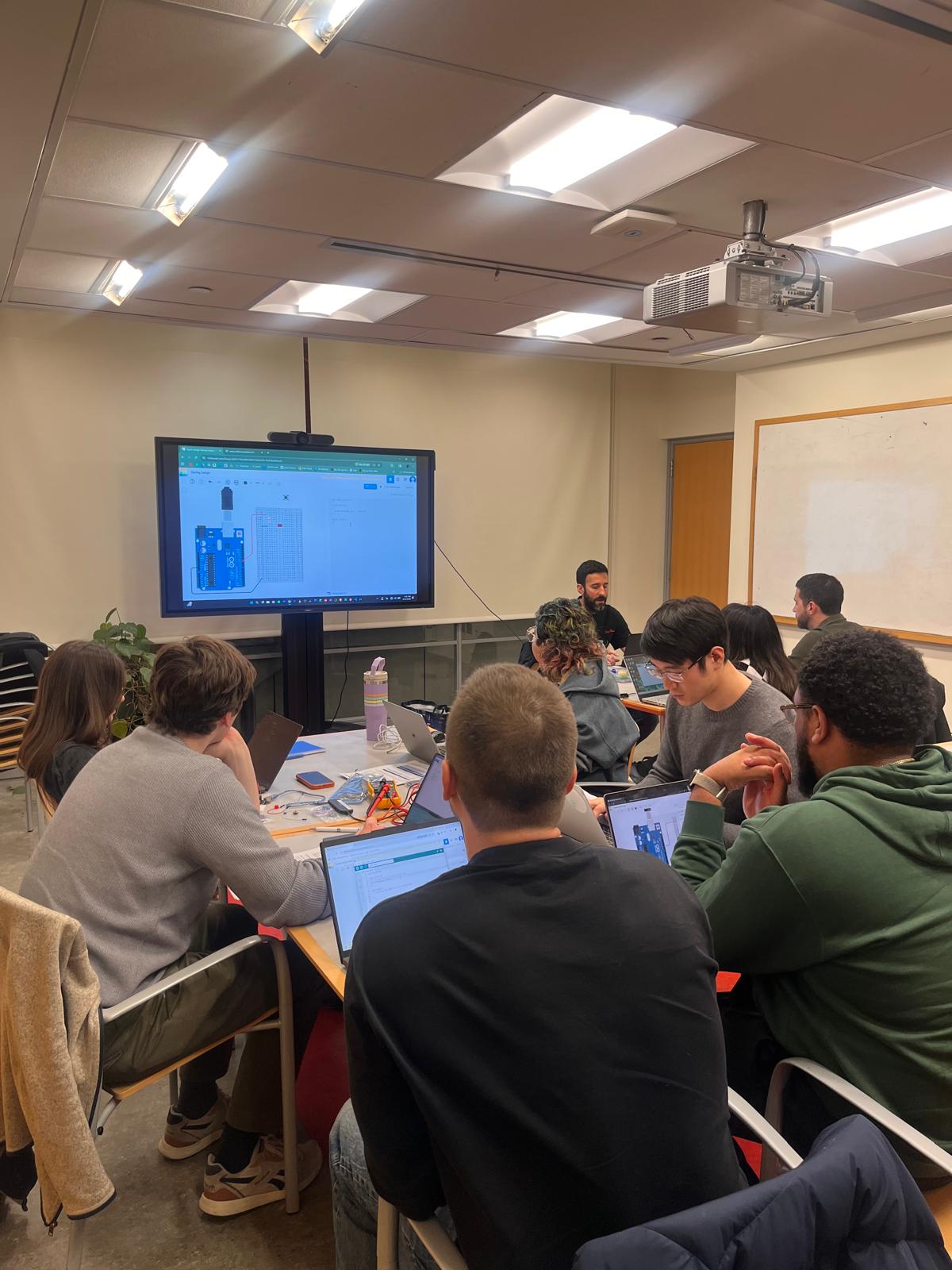
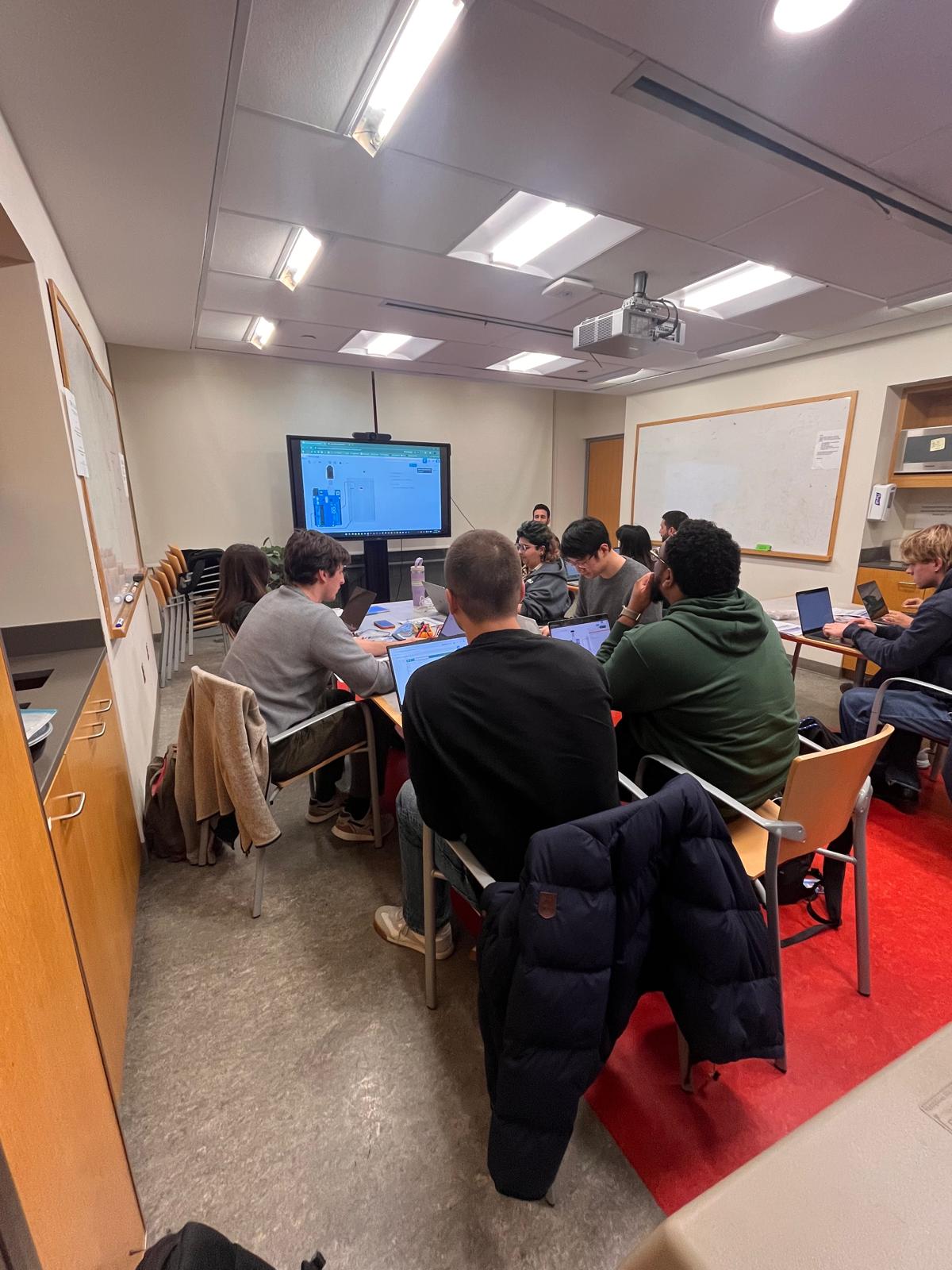
The workshop began inside the Department of Neuroscience at Mount Sinai, where the format was developed around the needs of behavioural-neuroscience researchers.
View the workshop archive →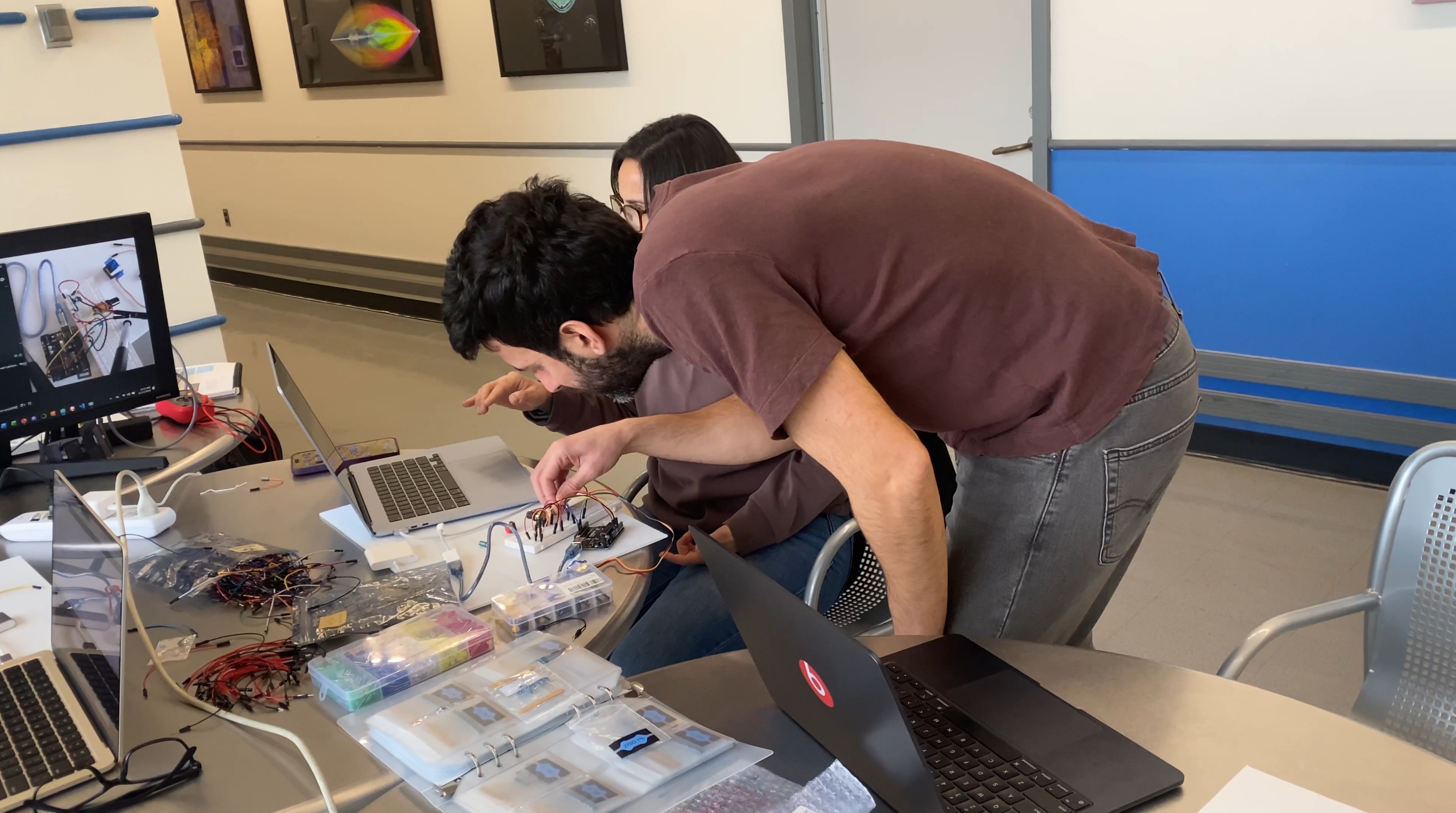
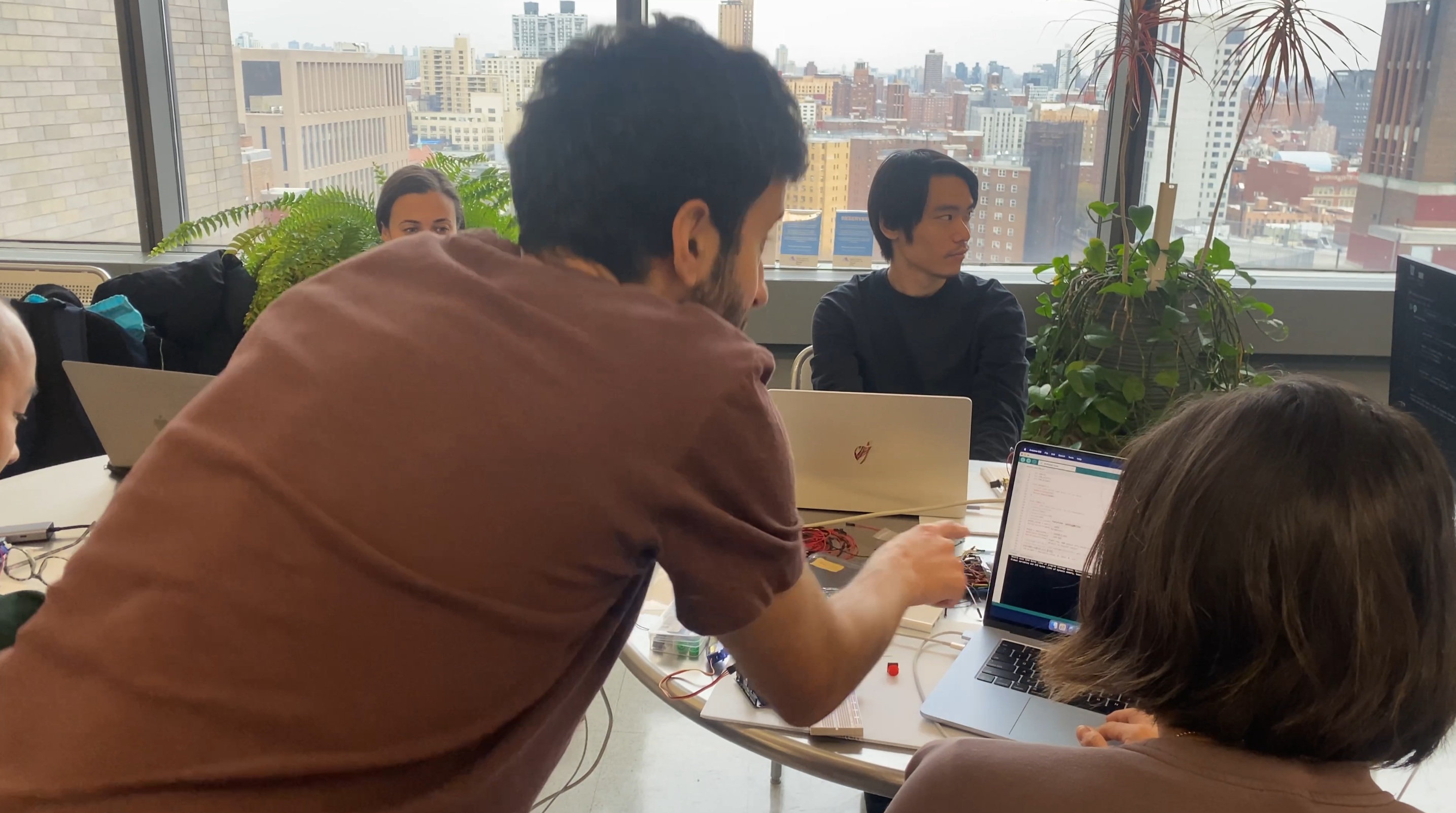
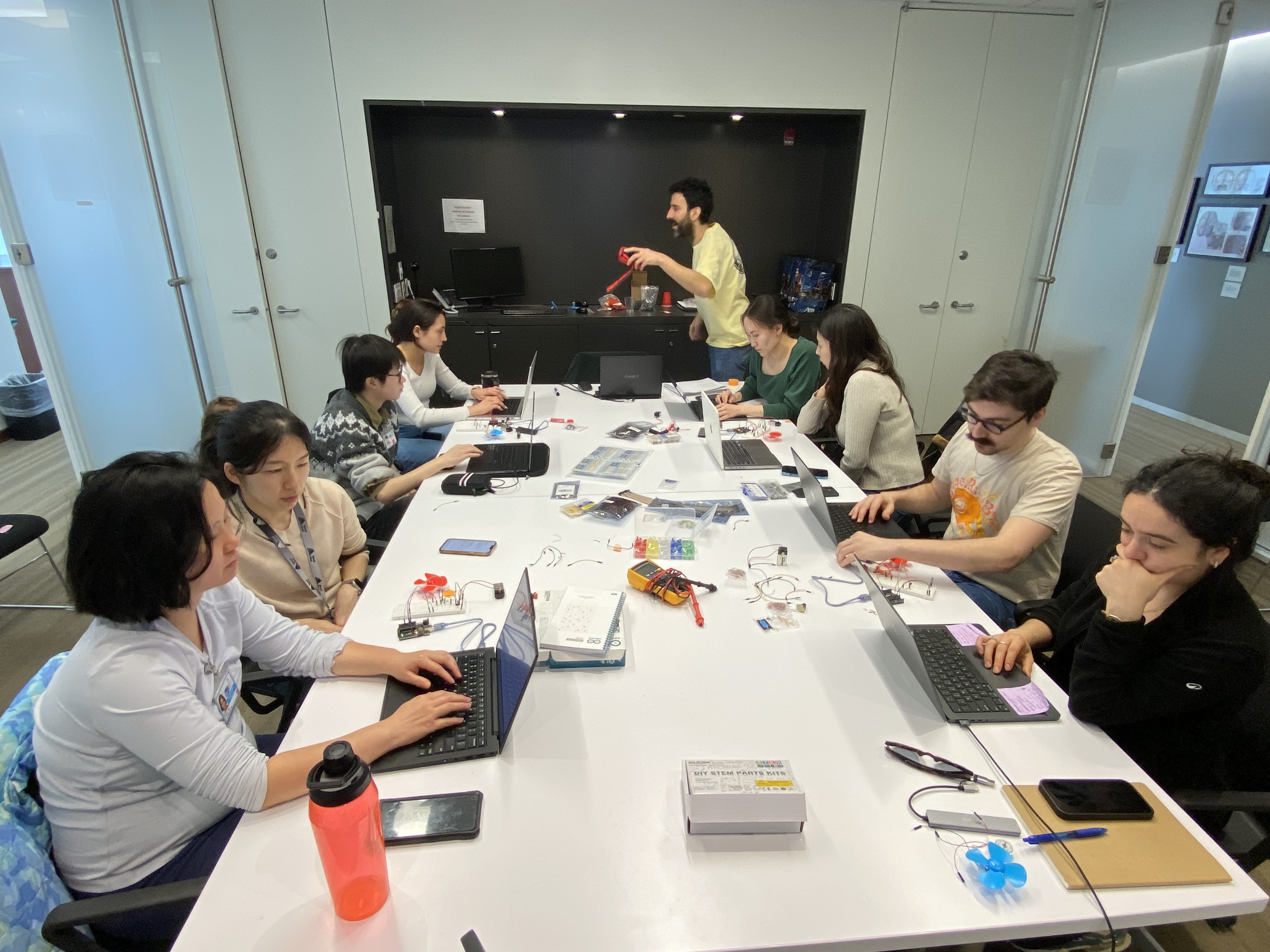
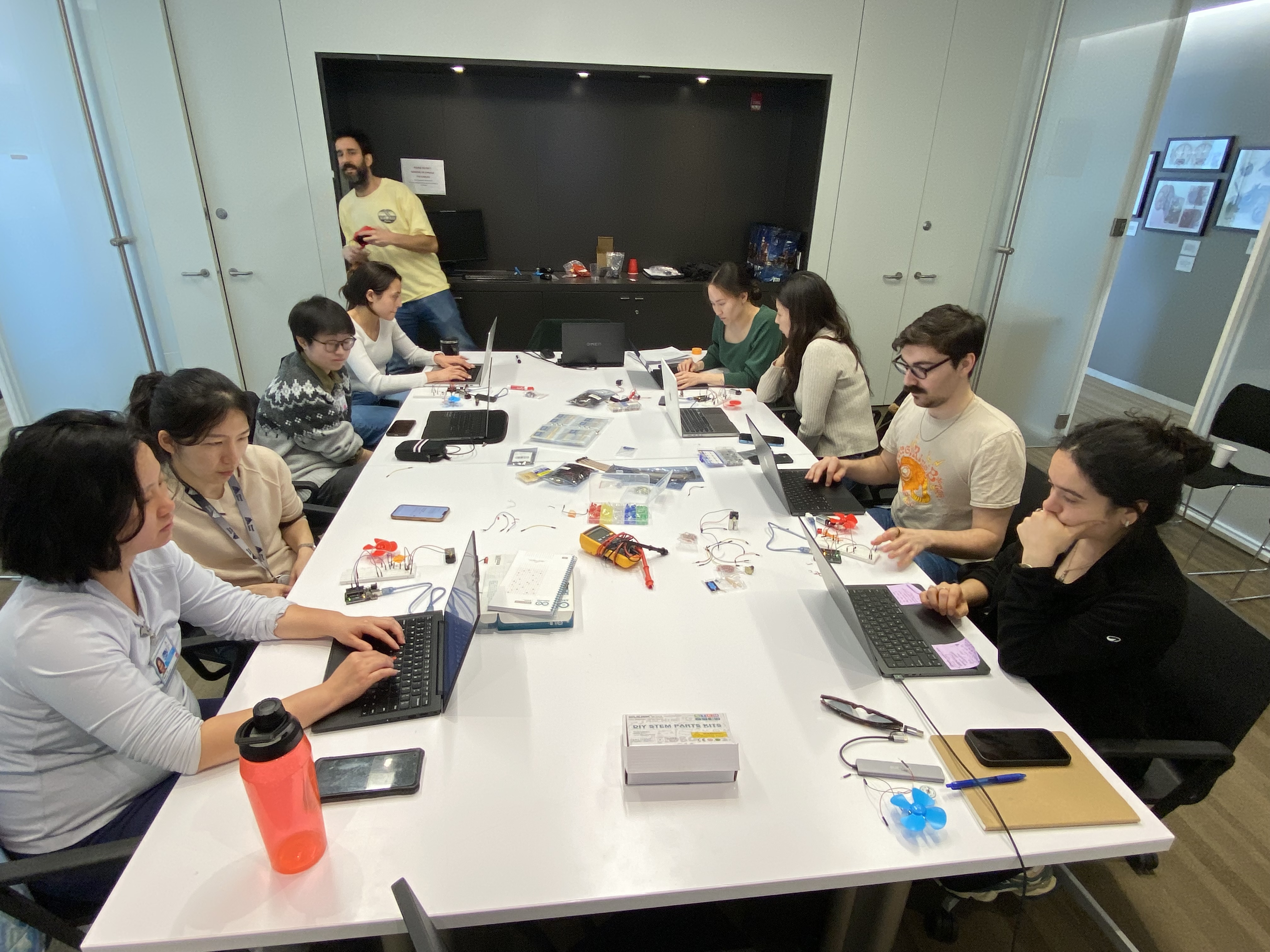
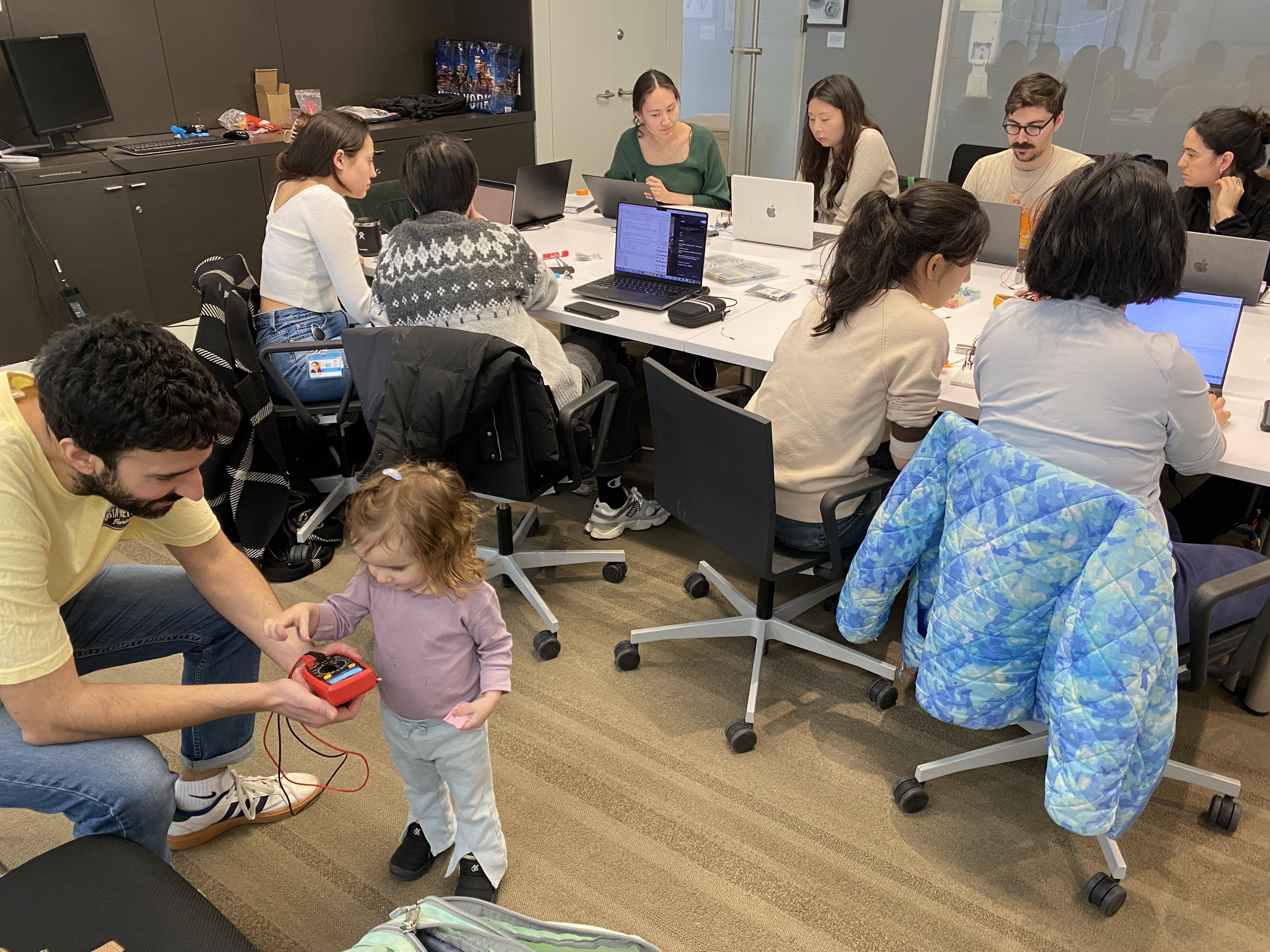
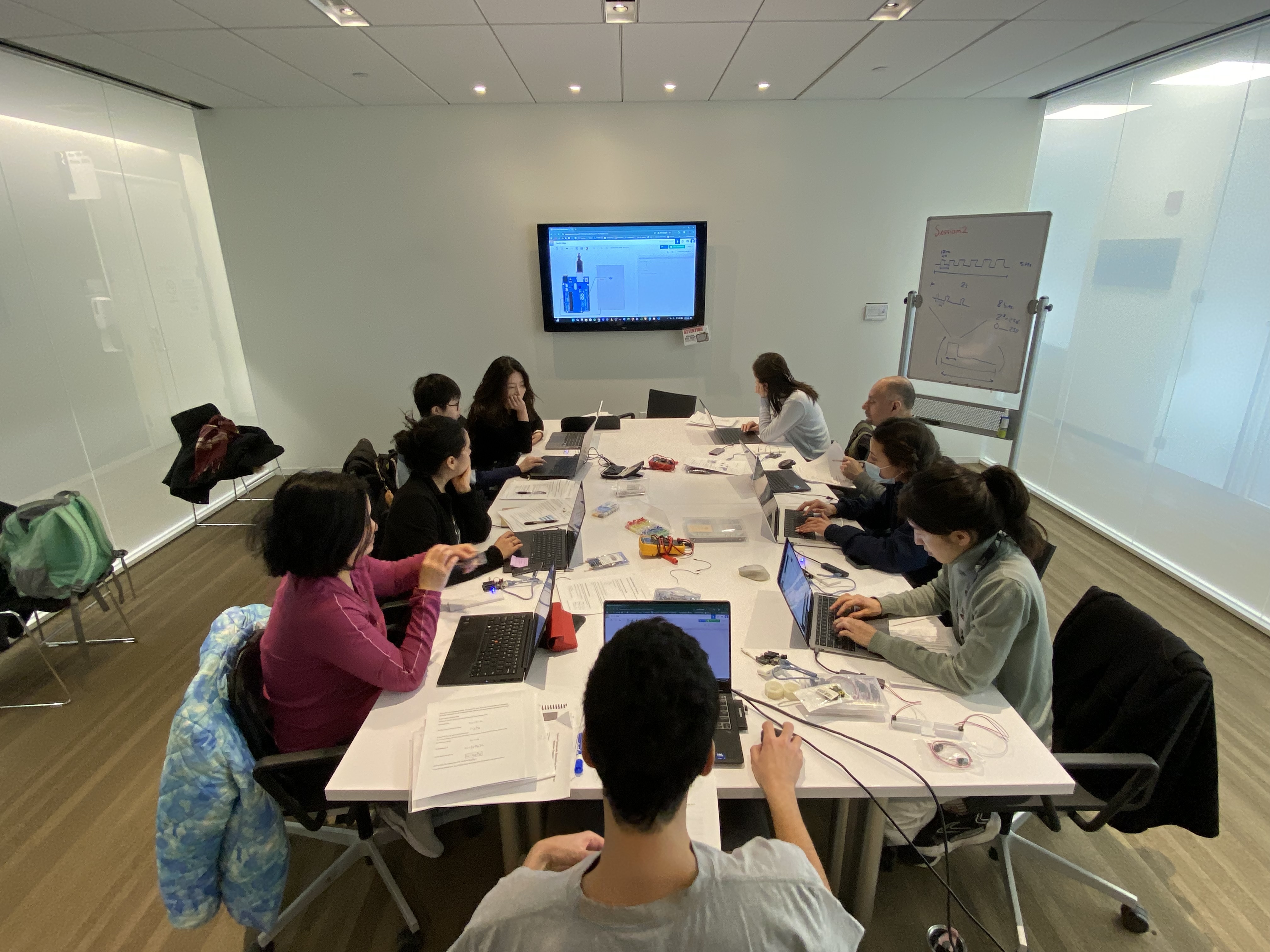
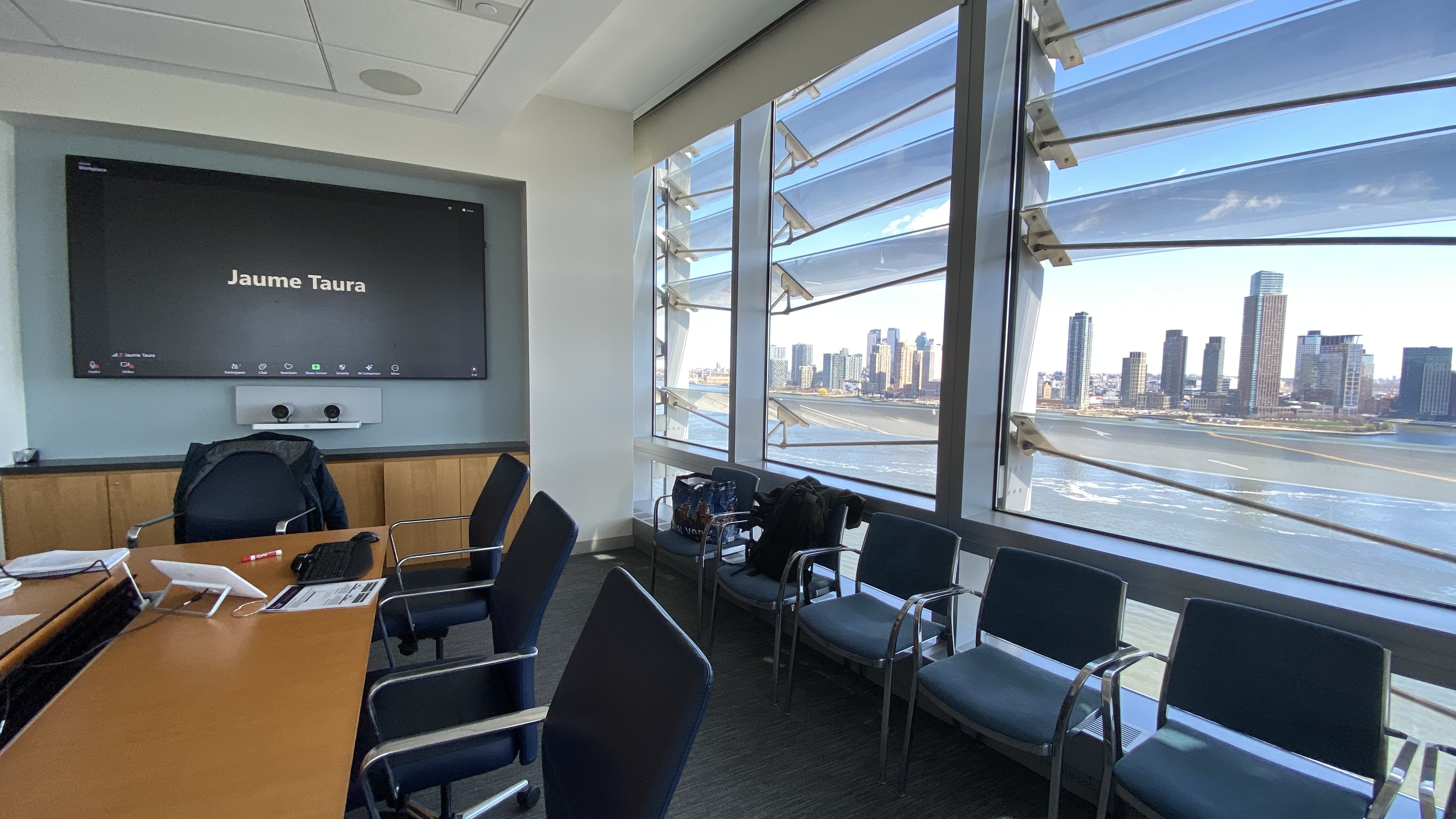
New York

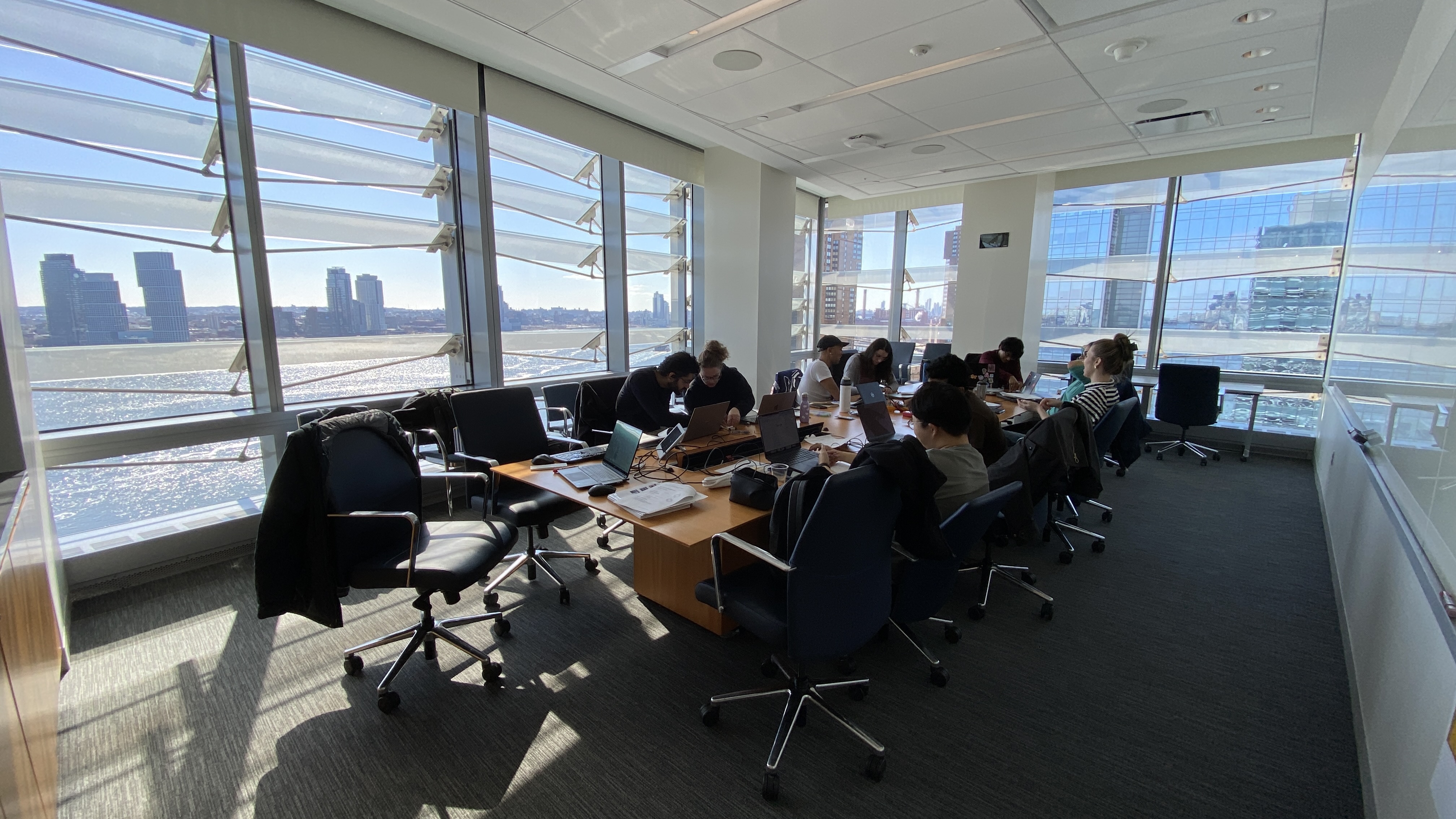
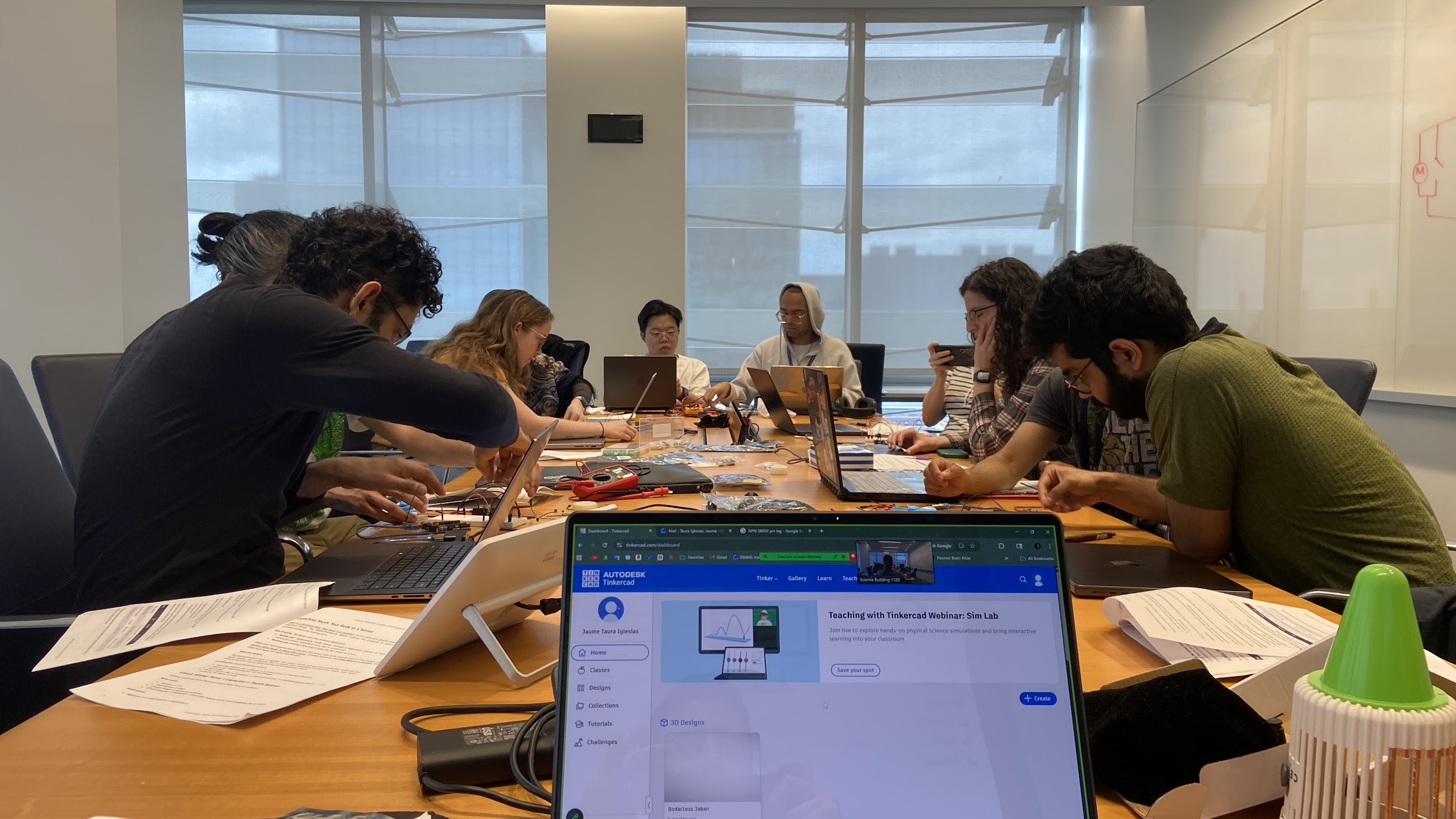
An in-person edition for researchers interested in bringing electronics, sensors and small custom tools into their own work.
View the workshop archive →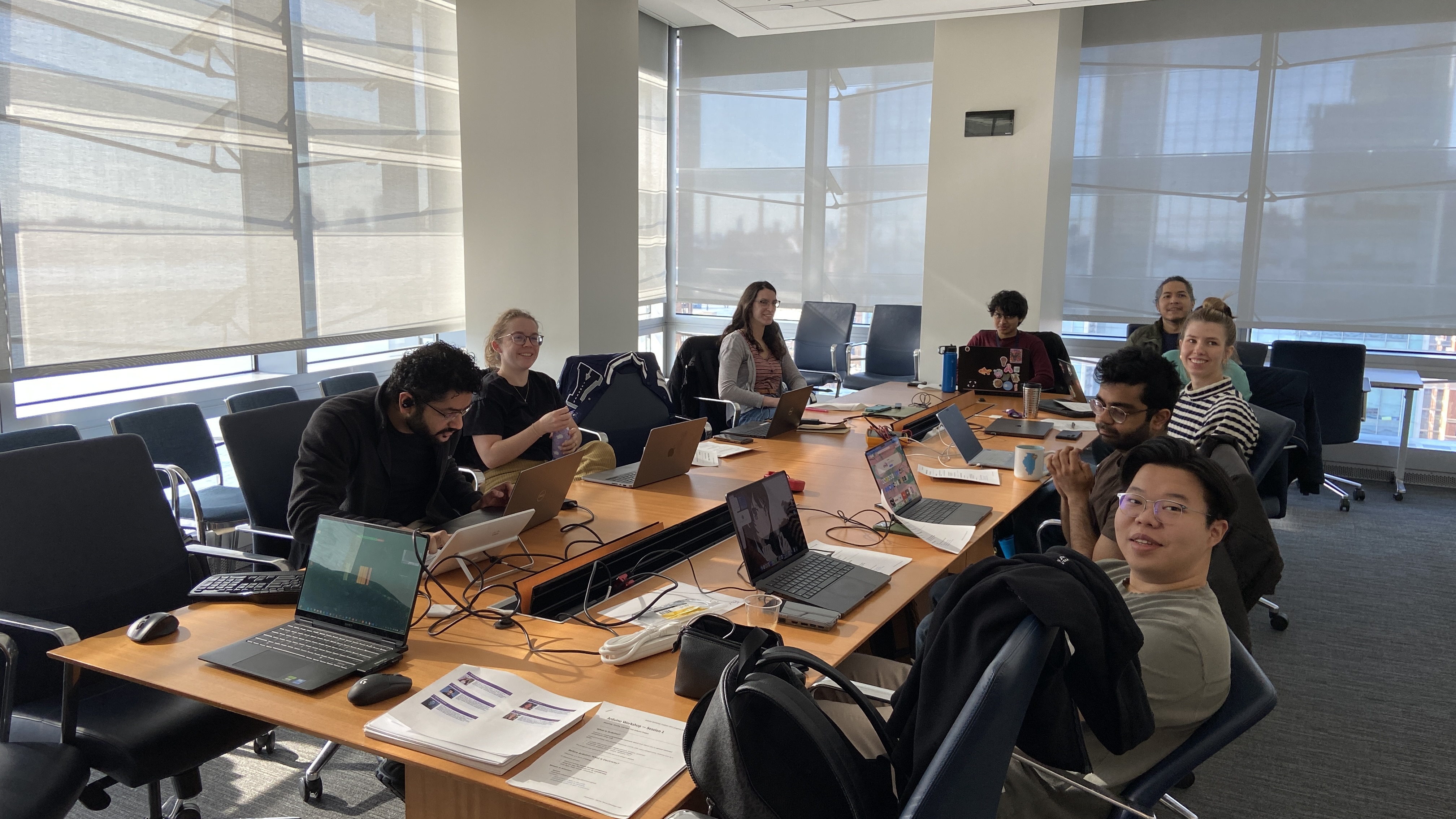
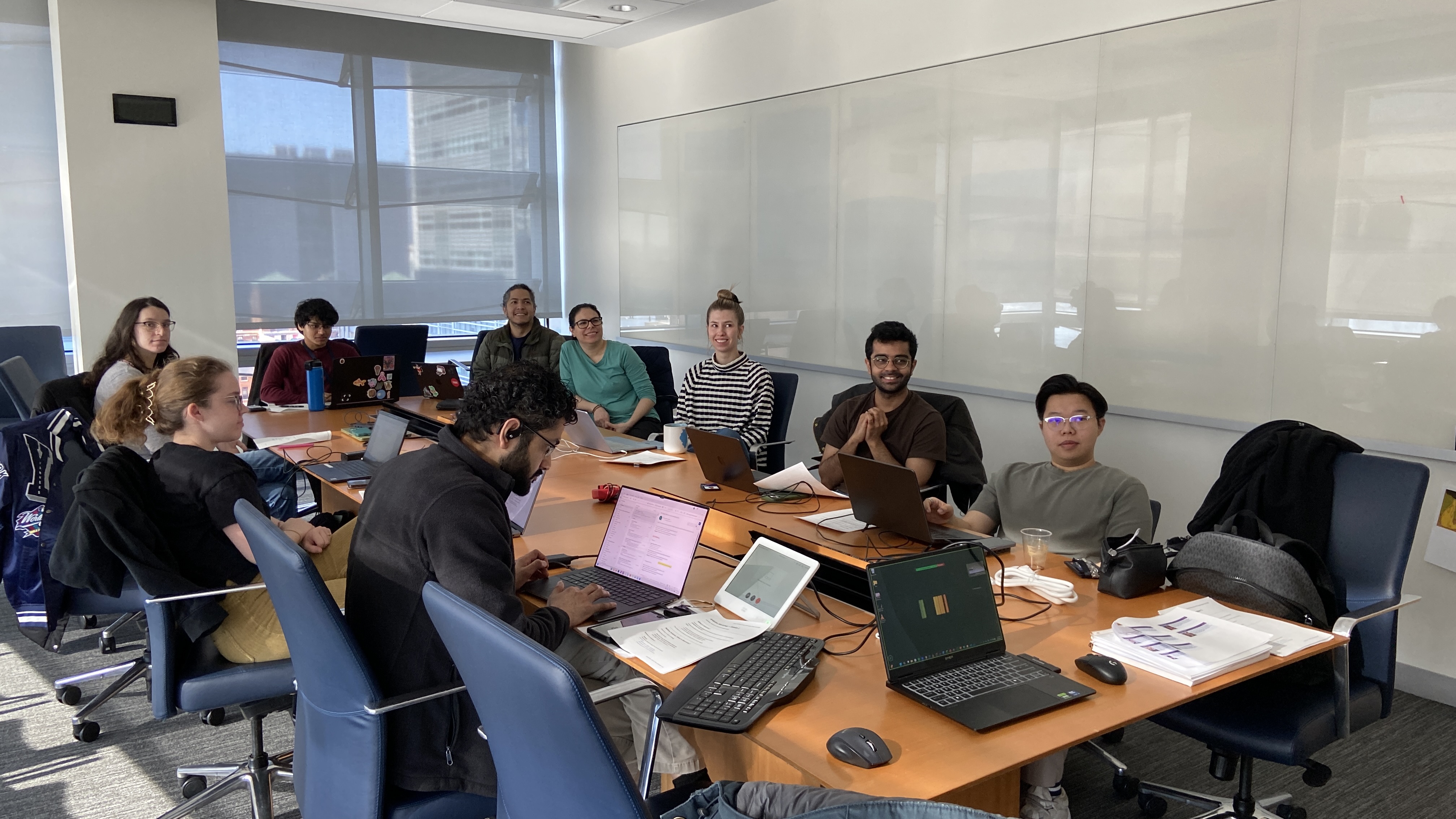
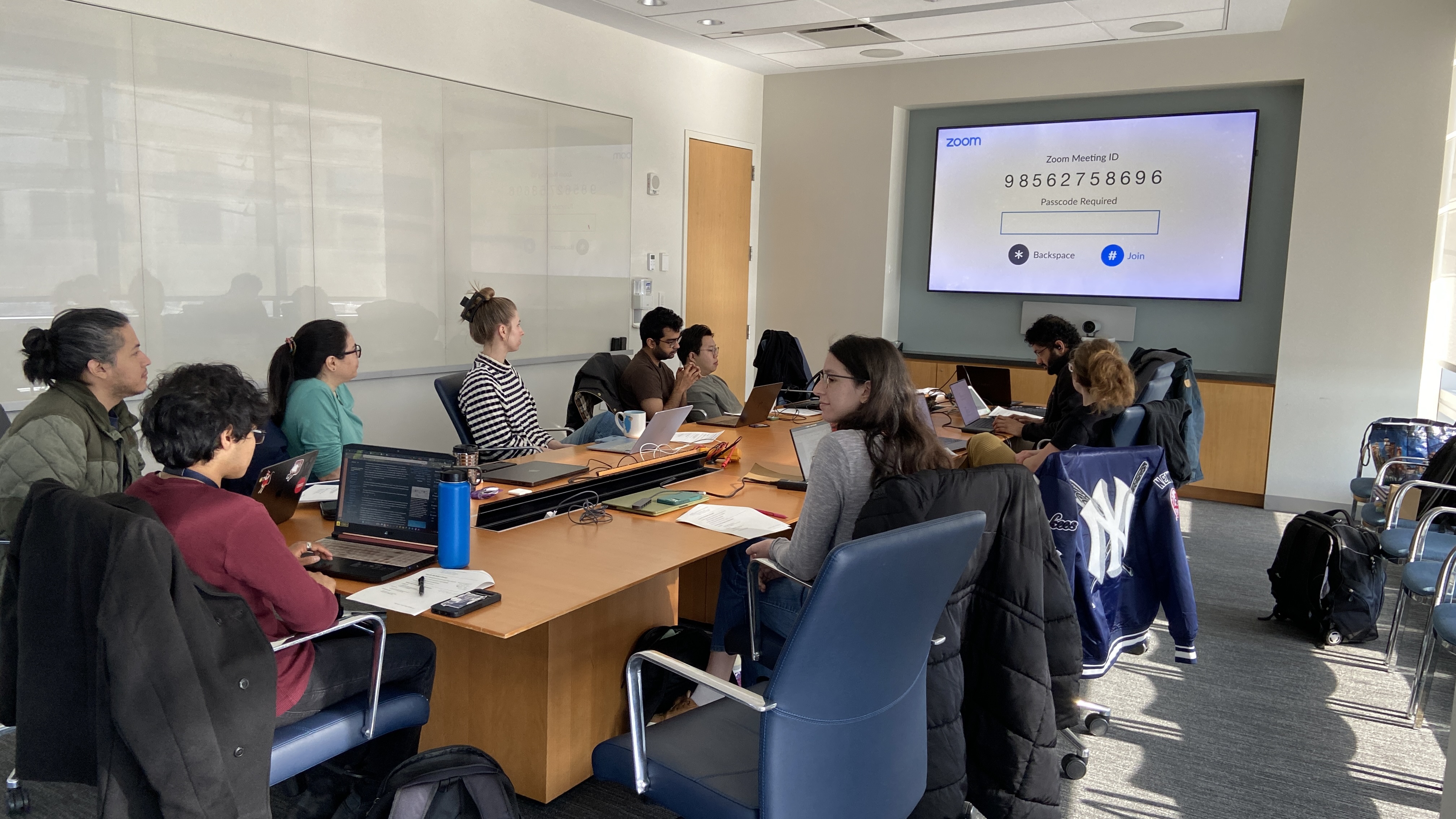
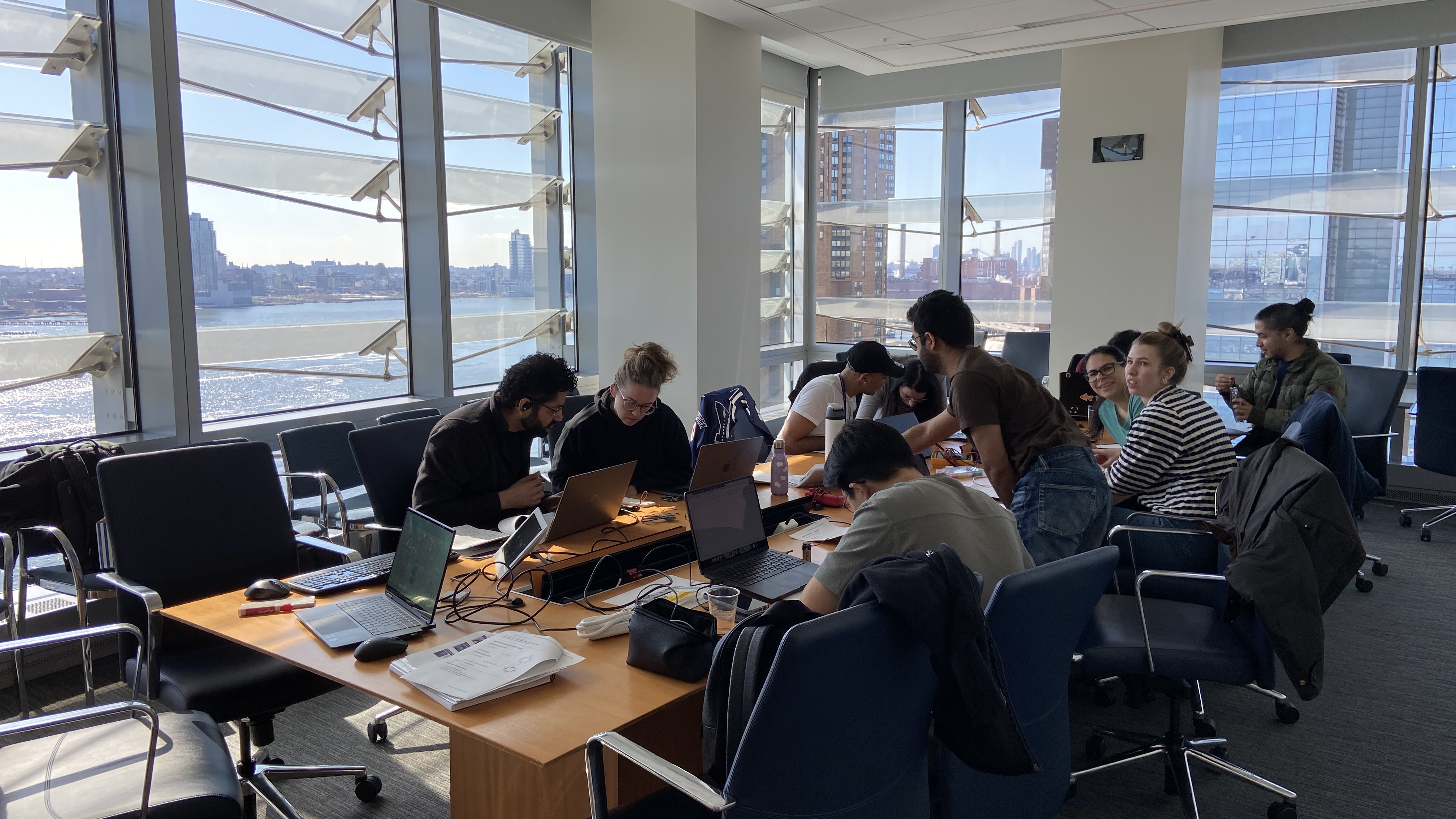

New York

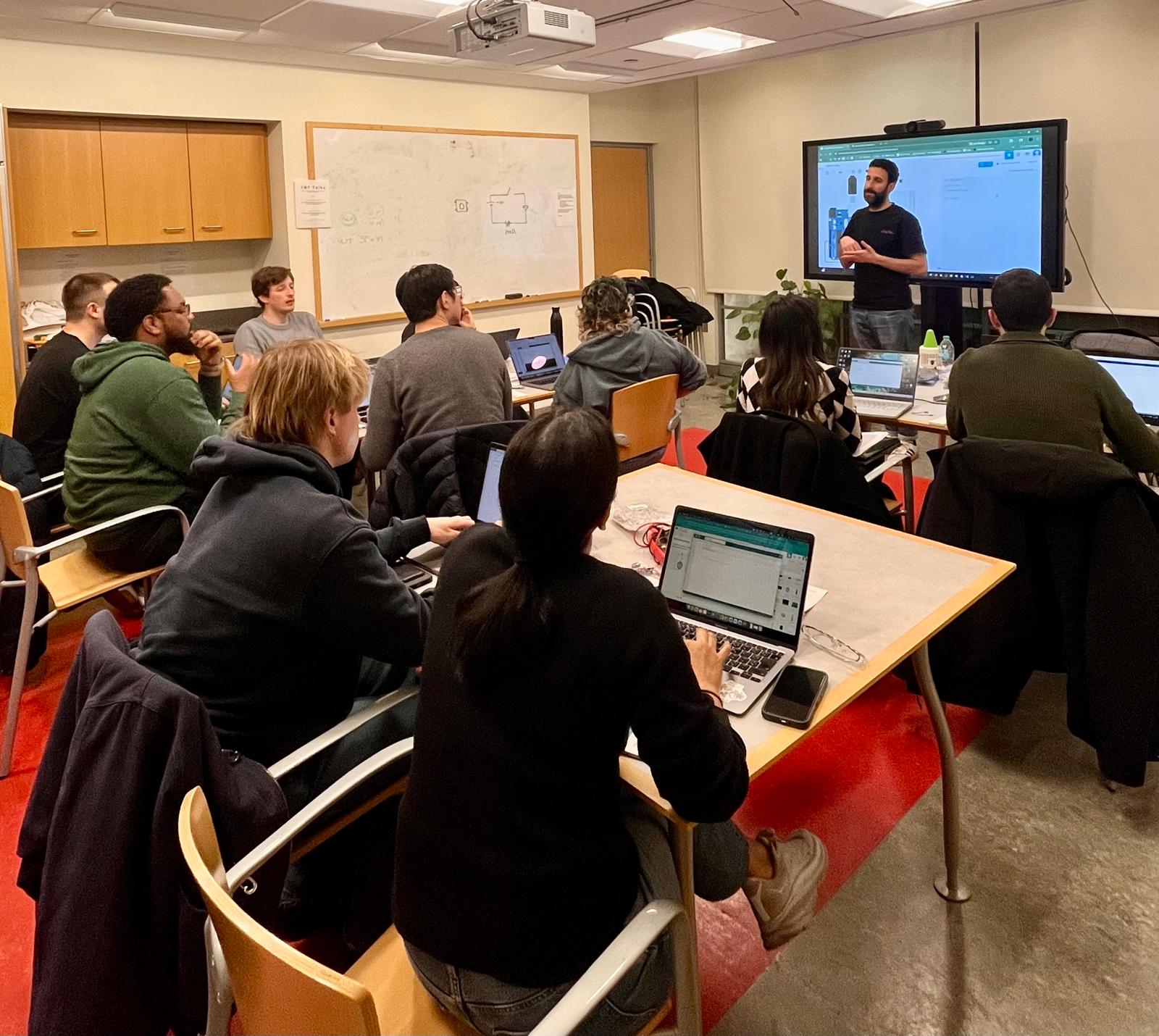
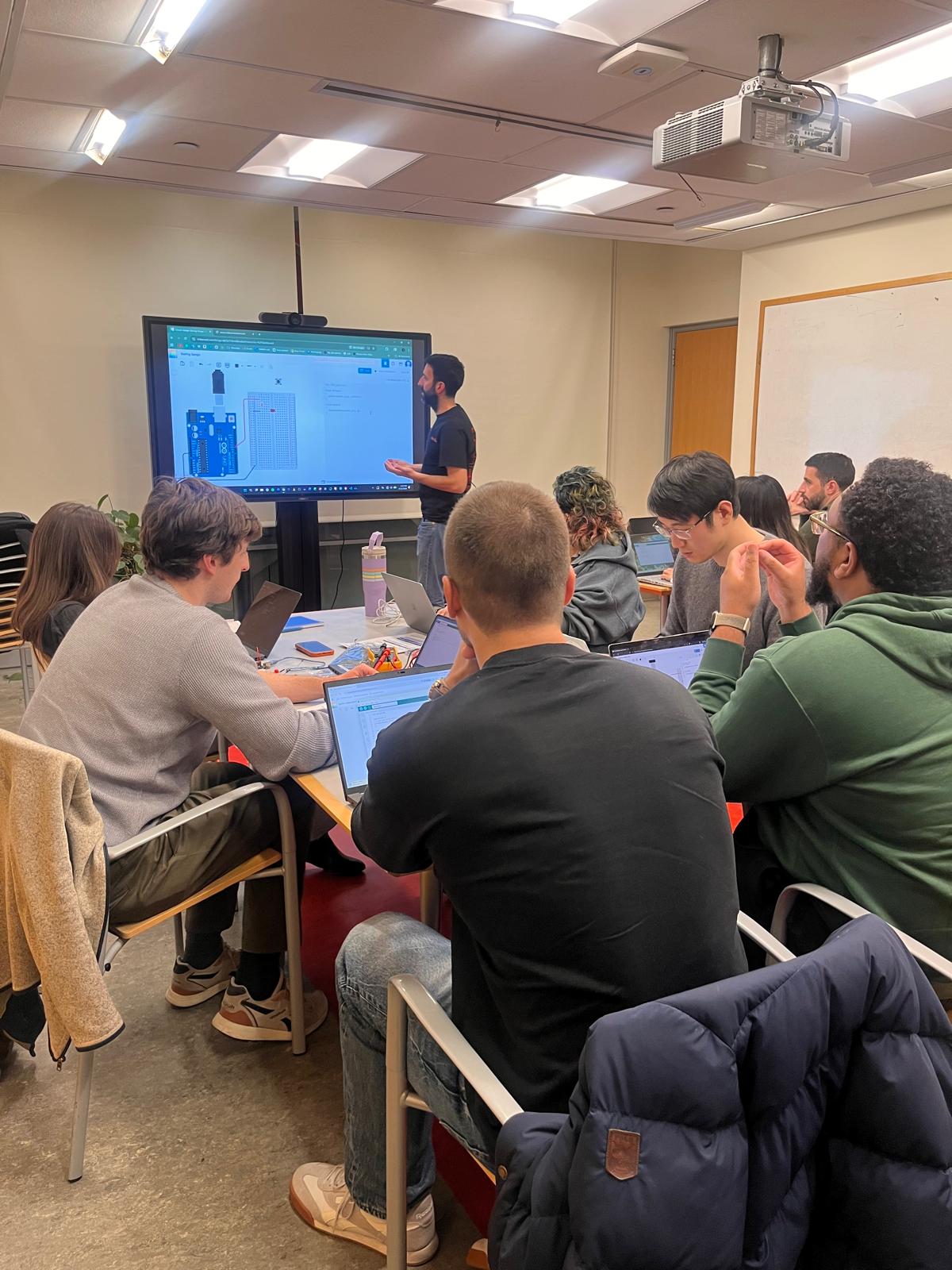
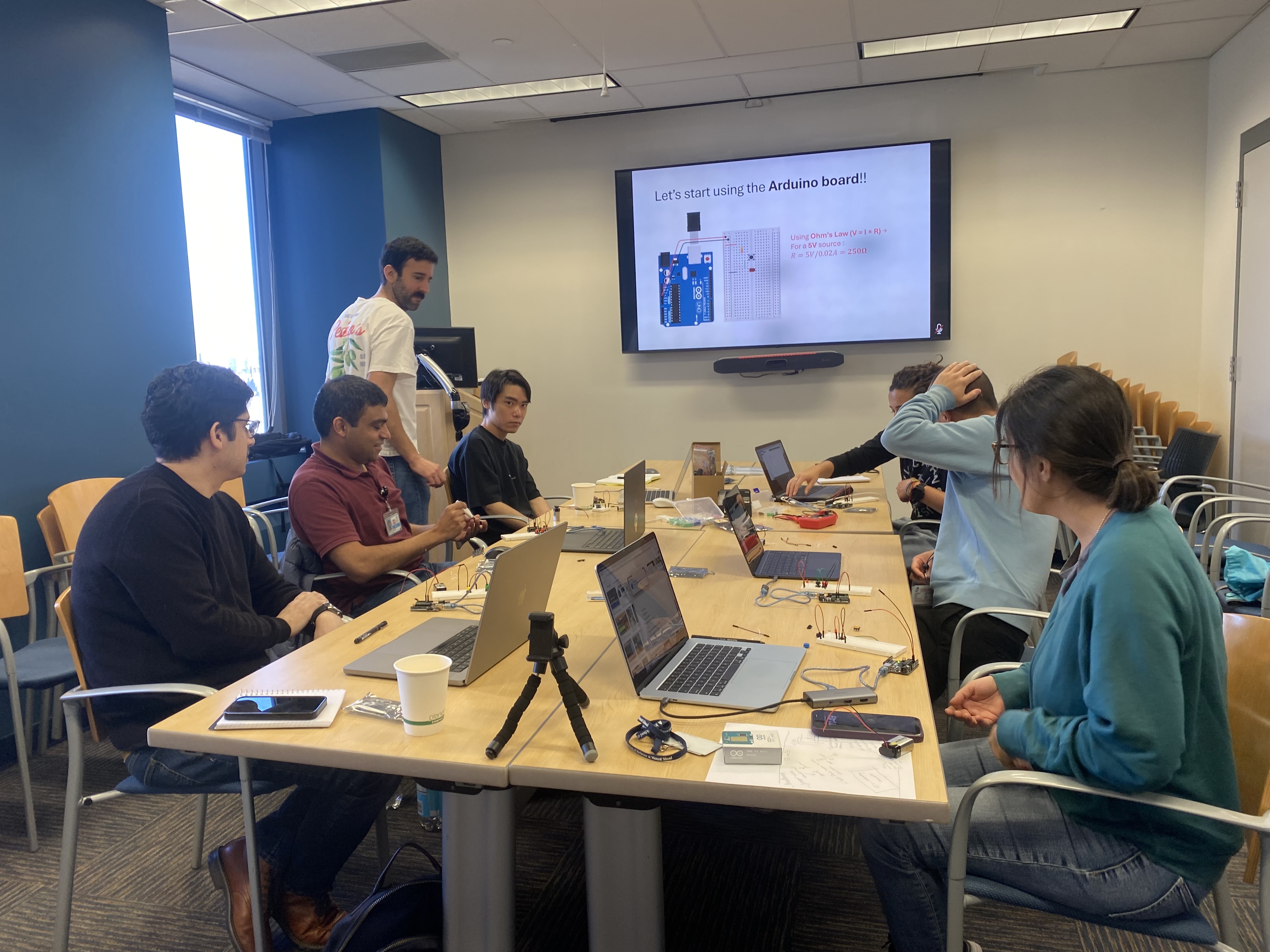
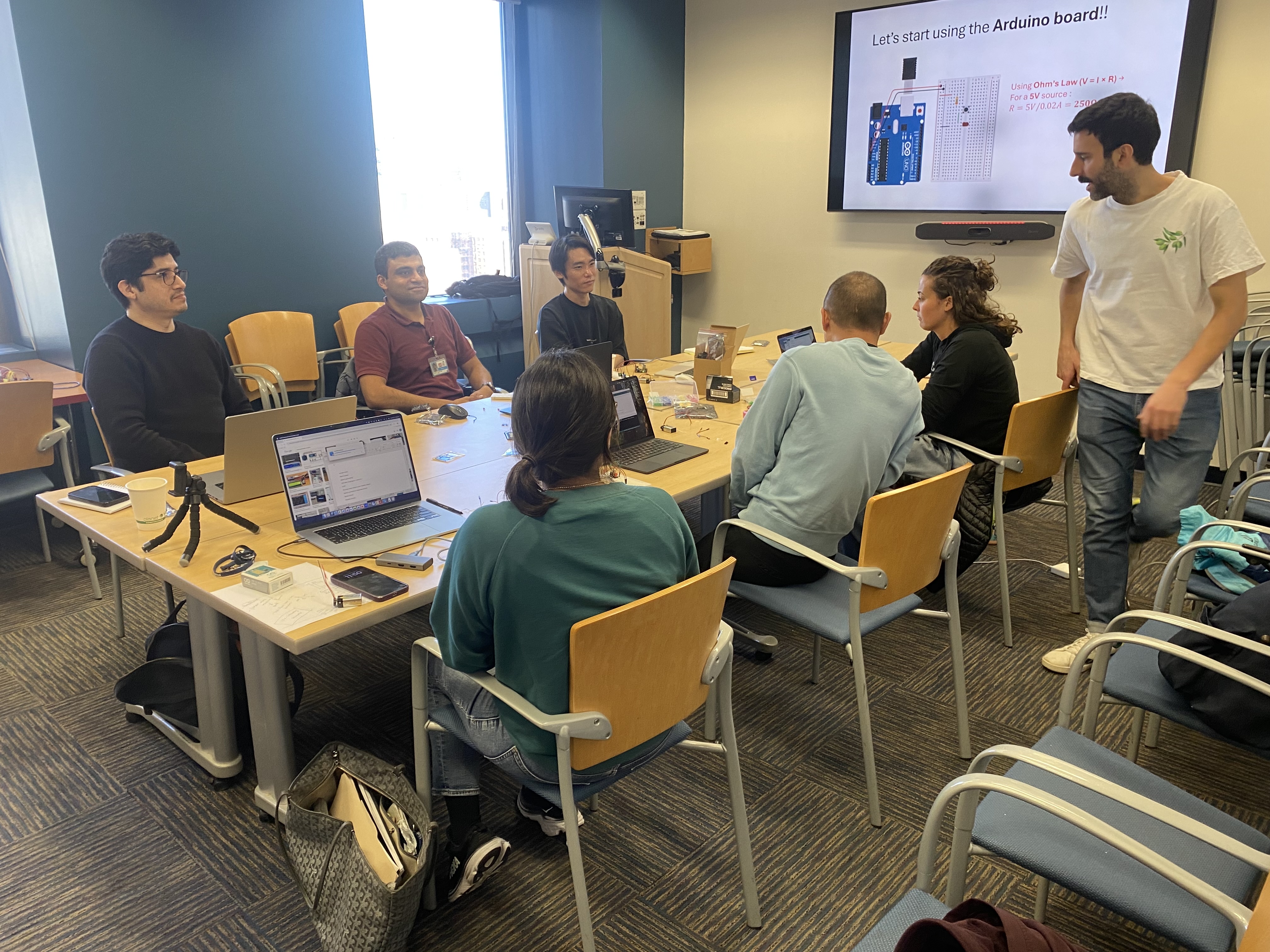
A practical edition built around accessible explanations, guided projects, idea sharing and troubleshooting together.
View the workshop archive →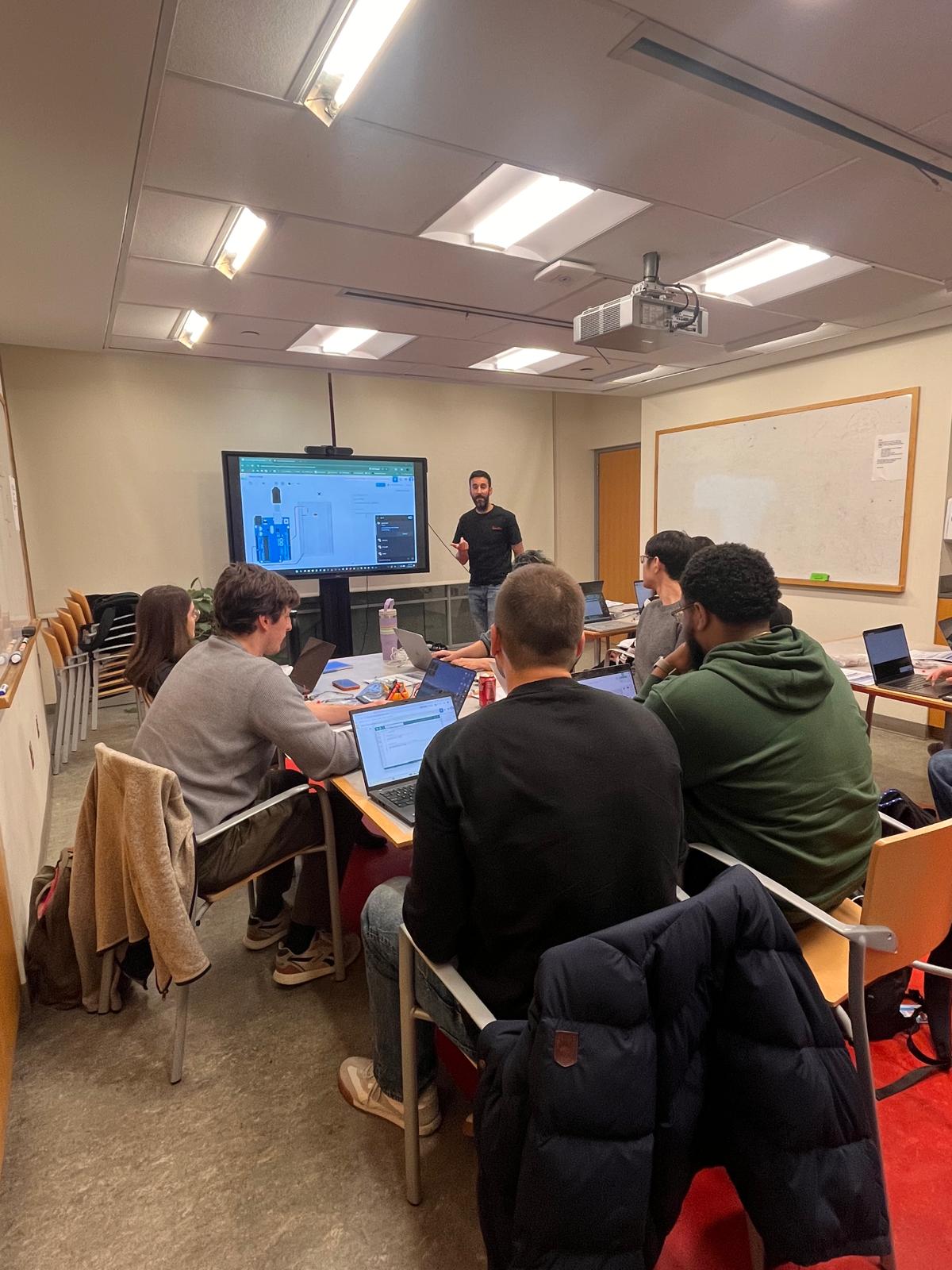
International · online

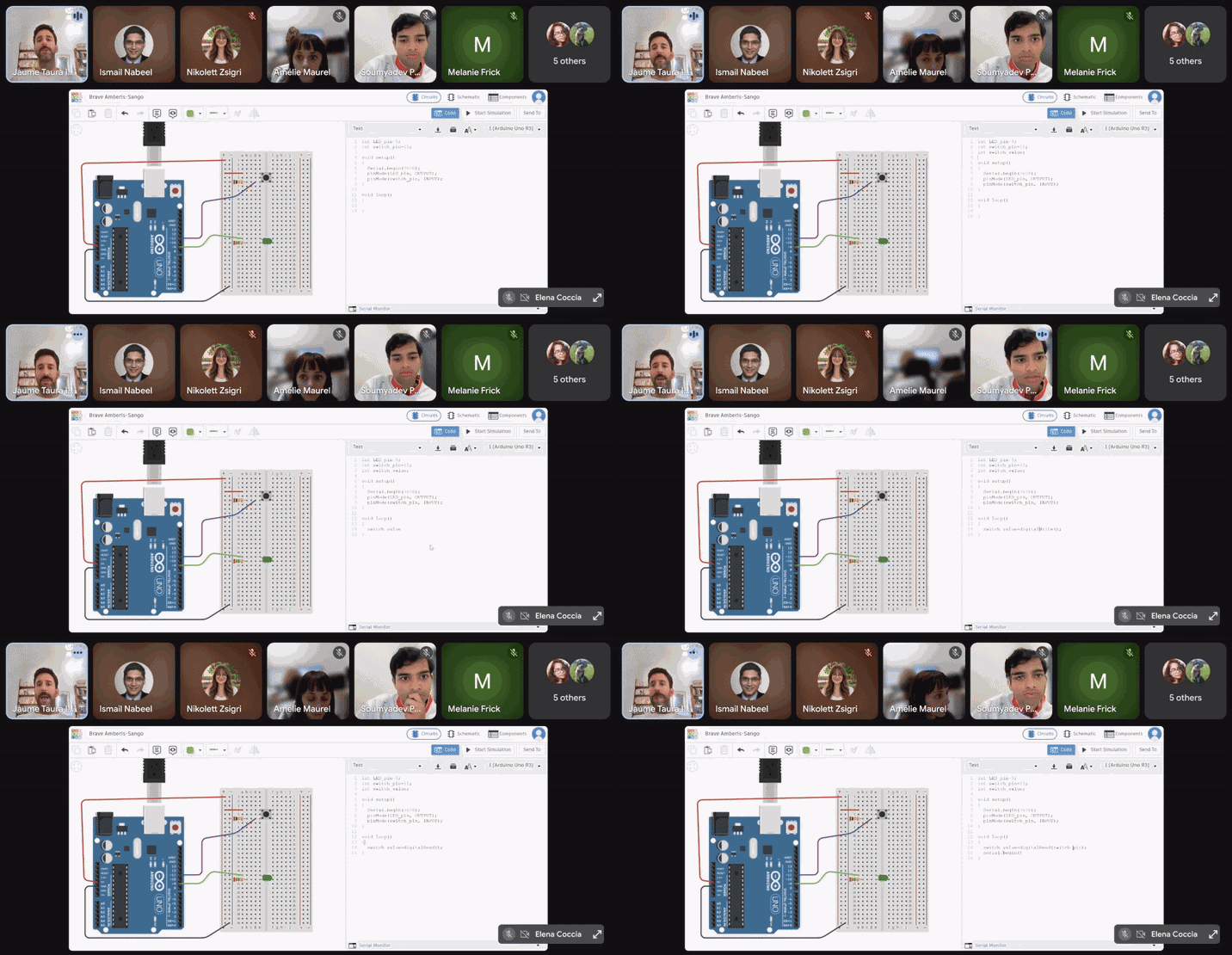
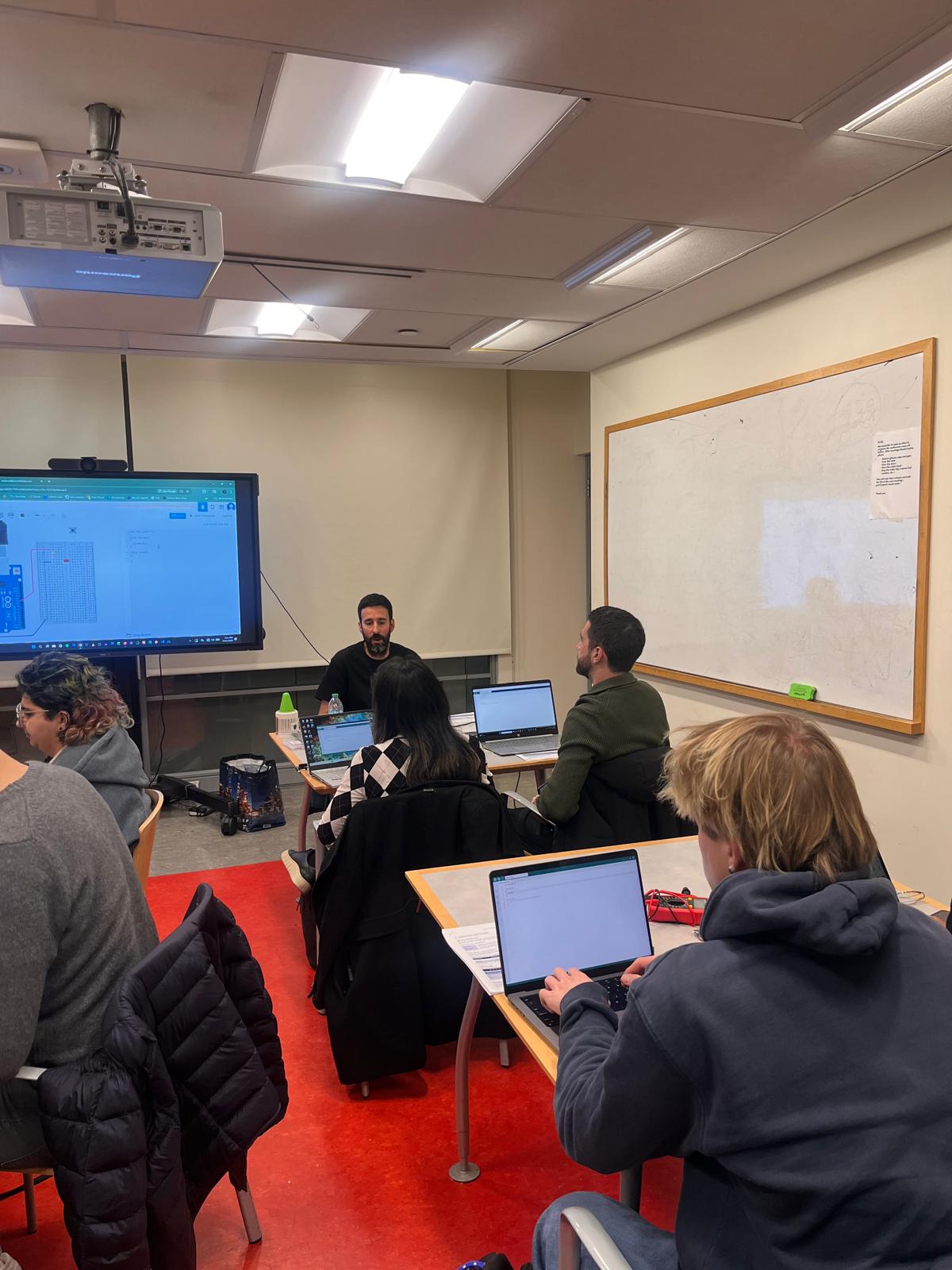
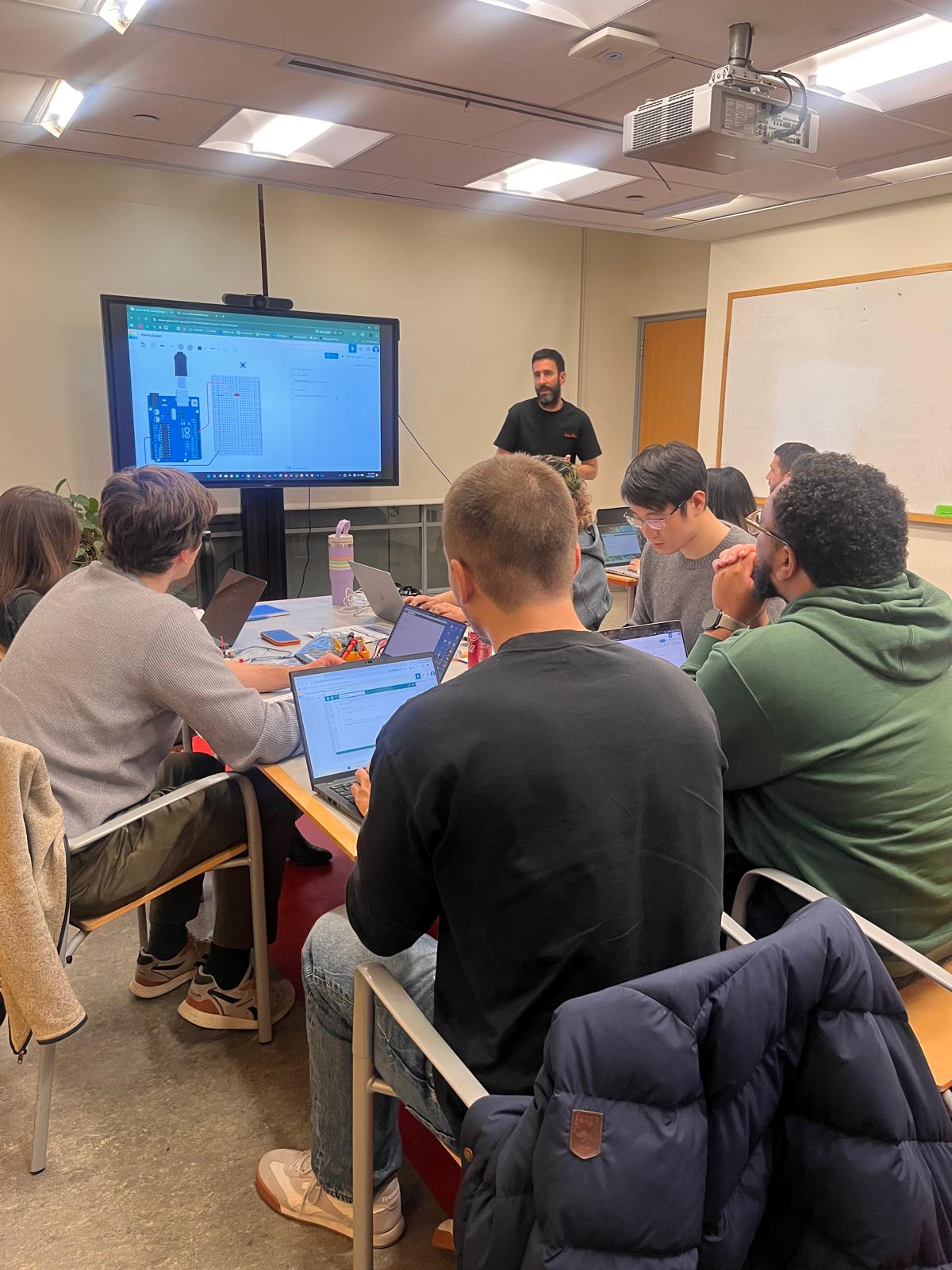
A remote edition connecting participants across institutions through Tinkercad, the Arduino IDE and live demonstrations.
Participant feedback
The format is practical, welcoming and grounded in real research needs. You do not need to arrive with experience—just curiosity and a problem you would like to understand better.
49
participants across previous editions
4.6/5
overall rating
9.3/10
recommendation score
100%
met or exceeded expectations
“I really enjoyed the workshop overall. The theoretical basics were explained very clearly, and I found the core concepts especially useful and easy to follow. The sessions were well-organized, and the overall atmosphere was very positive and engaging. I also appreciated Jaume's dedication and the effort he put into making the workshop both informative and enjoyable.”
“The atmosphere was so welcoming and fun that it didn't feel like a drag at all to wake up early on Saturday mornings. Making circuits and writing code myself was the most helpful part. Working in pairs was fun too.”
“The experience was really wonderful! I feel that I got excellent practice constructing real Arduino projects, and instruction was thorough enough that I felt I understood each step. The class was very fun and useful!”
“That it was geared for our specific neuroscience use case. A lot of Arduino resources you can find online but they’re rarely for scientific experiments, so it was nice to have that framing the whole time.”
“The combination of hands-on work and theory was good. Understanding what I'm doing makes me more confident in using these skills in the future.”
“Great mix of theory to understand the practical reasons to approach circuit design and component use in certain ways. The talk from Clay also provided a valuable understanding of how far these approaches can be pushed and leveraged.”
“What I liked the most was the blend of hands-on exercises and theory. Incredible how much we could learn in just 8 hours!”
“I really enjoyed the workshop! Thanks for doing it and letting me participate! Good luck with your move.”
“There was plenty of opportunity to work hands-on which I loved. I also really liked that we were paired with people and they were different for both days. As someone who is familiar with coding but doesn't do it often I appreciated that you were working on Tinkercad and had your code on the screen. I also really liked that we had pamphlets, it has been useful to have something to refer back to after the workshop while working on my own projects. I also really liked the addition of Clay's talk. Even though everything he was working on was advanced it was helpful to see practical applications and gave me something to aspire to.”
“You and your enthusiasm, Jaume!”
“I thought Jaume was super passionate and great as an instructor. I felt like it was very easy to speak up and ask questions.”
“We practically did a lot of interesting things and no one was left behind.”
How to take part
Give it a go. We review applications to understand each person's background and create a group that can learn well together—no prior electronics experience is required.
Tell us a little about your background and interests.
The workshop team reviews the applications and informs selected participants and the waiting list by email.
Payment is requested only after selection. Your place is confirmed once payment is complete.
Come ready to ask questions, build circuits and leave with a plan for your own projects.
Bordeaux 2026
20 hours · limited spots available (16)
Key dates
No prior experience is required. Applications are reviewed before payment is requested.
Questions
No. The workshop starts from the basics and builds gradually through practical projects. It is designed for complete beginners, especially people coming from neuroscience or a biological background.
It is designed for neuroscience researchers, students, technicians and educators who want to understand electronics and build practical tools for behavioural and biological research. No prior experience is required.
This is a selection-based workshop. You first submit an application. After the applications have been reviewed, selected participants receive the payment instructions. A place is confirmed only once payment has been completed.
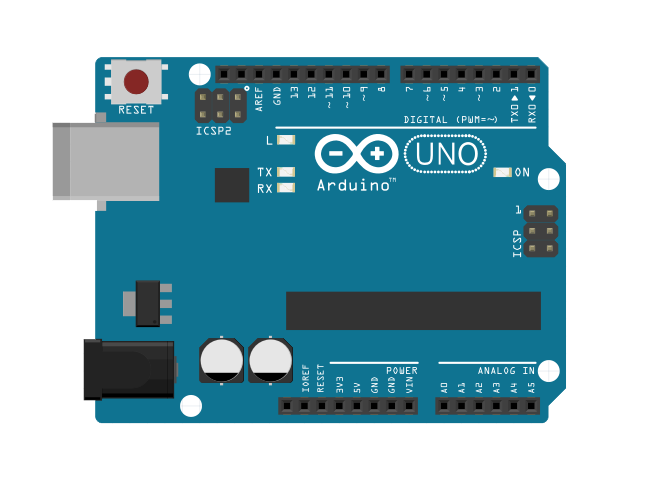
Just bring your laptop. Mac users should also bring a USB adapter, because the Arduino Uno boards used in the workshop connect via USB. The practical electronics equipment and components will be provided.
Controller and contact. ArBEN Workshops, operated by Jaume Taura, is the data controller. For privacy questions or rights requests, use the “Host a workshop” contact form above and begin your message with “Privacy request”.
Data and purpose. Contact and affiliation details, application answers, enquiry messages, preferences, consent choices and submission dates are used to review applications, organise workshops and respond to enquiries. Please do not submit sensitive personal data.
Legal basis. Application and hosting-enquiry data are processed to take steps at your request before participation or an agreement and, where needed, for the legitimate interest of organising the workshop. Future-workshop updates are sent only with your consent, which you may withdraw at any time.
Service providers. OpenAI Sites and Resend may process information on our behalf for website hosting, submission storage and email delivery. Applicable safeguards are used where data is processed outside the EEA.
Retention. Application records are deleted or anonymised within 12 months after the workshop; hosting enquiries within 12 months after the last contact. Notification-list details are kept until consent is withdrawn, unless longer retention is legally required.
Your rights. You may request access, correction, deletion, restriction, objection or portability where applicable, and may complain to your local supervisory authority or the Spanish Data Protection Agency (AEPD) ↗. Last updated: September 20, 2026.